NVIDIA and Cisco Team Up to Secure AI Agents with Open-Source OpenShell

Securing the Future of Enterprise AI

Imagine an office where AI assistants handle sensitive tasks - analyzing security threats, managing customer data, even making critical decisions. Now imagine one gets hacked. That nightmare scenario just got less likely thanks to a major collaboration between tech giants NVIDIA and Cisco.

The OpenShell Solution

The companies unveiled OpenShell, an open-source AI agent runtime that functions like a digital bulletproof vest. It creates isolated "sandbox" environments where each agent operates with zero default permissions. Every external access request, tool call, or data interaction requires explicit authorization.

"Think of it as giving your AI employees clear job descriptions," explains Dr. Lisa Chen, NVIDIA's lead security researcher. "They only get keys to the rooms they need to enter."

How It Works

The system employs a two-pronged approach:

  1. OpenShell defines what agents can do through granular policy controls
  2. Cisco's AI Defense monitors what they actually do via continuous activity logging

This combination proved effective in tests against zero-day vulnerabilities. When simulated attacks occurred:

  • Agents identified threats using network knowledge graphs
  • All repair attempts stayed safely within their sandboxes
  • Any suspicious requests triggered instant lockdowns by AI Defense

Why This Matters Now

Enterprise AI adoption faces a critical hurdle: trust. Recent surveys show 68% of CIOs delay AI deployments over security concerns. Traditional cybersecurity tools struggle with AI's unique risks - particularly "prompt injection" attacks where hackers manipulate agents through disguised commands.

"We're moving from asking 'Can we build smart agents?' to 'Can we trust them?'" notes Cisco's CTO Mark Taylor. "That's the conversation OpenShell addresses."

The open-source release allows companies worldwide to implement these safeguards while contributing improvements - accelerating development of what could become enterprise AI's security standard.

Key Points:

  • Sandbox Security: OpenShell isolates each agent in permission-restricted environments
  • Full Transparency: Cisco's platform records every decision step for auditing
  • Enterprise Ready: Solution designed for large-scale automation deployments
  • Community Driven: Open-source model encourages widespread adoption and innovation
Enjoyed this article?

Subscribe to our newsletter for the latest AI news, product reviews, and project recommendations delivered to your inbox weekly.

Weekly digestFree foreverUnsubscribe anytime

Related Articles

Volcano Engine Fortifies AI Assistants with New Security Shield
News

Volcano Engine Fortifies AI Assistants with New Security Shield

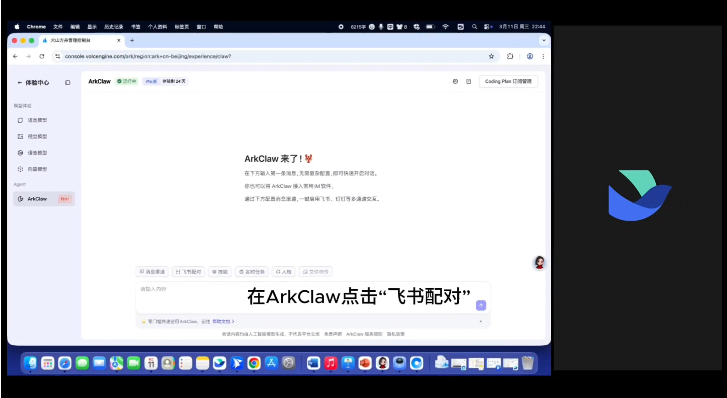
ByteDance's Volcano Engine has unveiled a major security upgrade for its ArkClaw AI assistant platform. The new safeguards tackle vulnerabilities exposed by open-source tools like OpenClaw, implementing cloud-native sandboxing and strict permission controls. This transforms potentially risky AI agents into accountable 'digital employees' with full behavioral tracking - crucial protection as businesses increasingly adopt generative AI.

March 12, 2026
AI SecurityEnterprise TechnologyCloud Computing
News

NVIDIA's NemoClaw: Armoring AI Agents for the Enterprise

At the 2026 GTC Conference, NVIDIA unveiled NemoClaw, a new platform designed to bring enterprise-grade security to AI agent development. Built on the popular OpenClaw framework, it tackles critical business concerns around privacy and control while maintaining hardware flexibility. As the AI industry shifts from simple chatbots to complex agent systems, NVIDIA's move positions them against competitors like OpenAI in this emerging market space.

March 17, 2026
NVIDIAAI AgentsEnterprise Tech
Tencent's Lobster Butler: Your AI's New Security Guard
News

Tencent's Lobster Butler: Your AI's New Security Guard

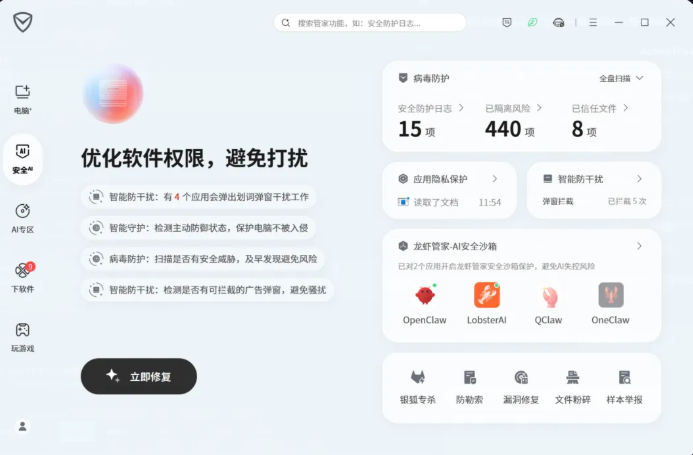
Tencent has unveiled Lobster Butler, a groundbreaking security feature for local AI agents in its PC Manager 18.0 update. This innovative sandbox technology creates a protective shell around AI operations, preventing unauthorized access and privacy leaks while giving users clear visibility into how their data is being used. It's like having a digital bodyguard specifically trained to protect against AI-related threats.

March 16, 2026
AI SecurityTencent InnovationPrivacy Tech
News

Meta Hits Pause on Llama4 Launch as Engineers Fine-Tune AI Model

Meta has pushed back the release of its next-generation Llama4 AI model to May, citing the need for additional technical refinements. While CEO Mark Zuckerberg remains bullish on the project, developers are wrestling with performance optimization and logical reasoning challenges. The delay highlights the growing complexity of cutting-edge AI development, though Meta promises the extra time will yield a more robust open-source offering. The company continues expanding its computing infrastructure to support what could be a game-changing release in the competitive AI landscape.

March 13, 2026
MetaLlama4AI Development
News

Anthropic Bets $100M to Put Claude AI in Every Office

AI powerhouse Anthropic is making a bold $100 million play to dominate enterprise adoption of its Claude AI. Through its new Claude Partner Network, the company aims to solve businesses' biggest hurdle: integrating AI into existing workflows. With unique multi-cloud availability and developer incentives, Anthropic is positioning itself as OpenAI's strongest competitor in the corporate AI race.

March 13, 2026
Artificial IntelligenceEnterprise TechnologyCloud Computing
Tencent Defends Mirror Site Amid OpenClaw Data Scraping Controversy
News

Tencent Defends Mirror Site Amid OpenClaw Data Scraping Controversy

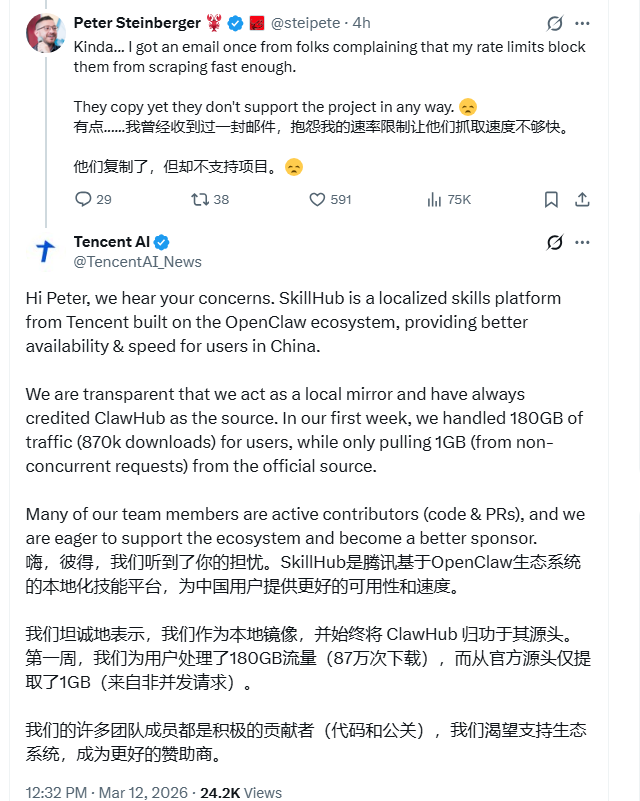
Tencent has responded to accusations from OpenClaw developer Peter Steinberger, who claims the tech giant scraped his platform's data without permission. While Tencent maintains its SkillHub mirror site actually reduced traffic pressure on the original by 99%, the dispute highlights ongoing tensions between open-source developers and corporate ecosystem expansion in the AI boom.

March 12, 2026
OpenClawTencentAI Ethics