Meta Hits Pause on Llama4 Launch Amid Technical Tweaks

Meta Delays Llama4 Release Until May

Meta has pushed back the launch of its next-generation Llama4 language model to May, according to internal sources familiar with the project. The delay comes as engineers work through final technical hurdles in optimizing the model's core performance and logical reasoning abilities.

Behind the Delay

The postponement reflects growing challenges in balancing computational efficiency with sophisticated instruction-following capabilities - a critical battleground in today's AI race. While Mark Zuckerberg has publicly championed Llama4 as a flagship project, development teams reportedly need more time to polish what insiders describe as "last-mile" refinements.

"We're treating this extra development window as an opportunity rather than a setback," one source commented anonymously. "The additional stress testing will pay dividends when researchers finally get their hands on it."

Strategic Implications

As Meta's cornerstone AI initiative, Llama4 represents more than just another model release. Its performance could determine whether Meta regains ground lost to competitors like OpenAI and Google in the large language model arena.

The delay comes amid intense scrutiny of Meta's AI capabilities following mixed reviews of previous releases. However, company executives emphasize their broader progress remains on track, particularly in multimodal understanding and processing lengthy text sequences.

What Developers Can Expect

When Llama4 does arrive:

  • Multiple parameter sizes catering to devices from smartphones to data centers
  • Enhanced security protocols from extended testing periods
  • Potentially more stable inference performance than earlier versions

The postponement may frustrate developers eager to experiment with Meta's latest technology. Yet many in the research community argue that waiting two extra months for a polished product beats rushing an unfinished release.

Infrastructure Expansion Continues

Behind the scenes, Meta continues expanding its computing infrastructure to support increasingly demanding training requirements. These investments suggest confidence in Llama4's eventual impact despite current delays.

The May unveiling now looms as a make-or-break moment for Meta's AI ambitions - an opportunity either to reclaim leadership or fall further behind competitors pushing their own cutting-edge models.

Key Points:

  • New timeline: Launch postponed until May 2026
  • Technical focus: Performance optimization and reasoning improvements
  • Strategic importance: Critical for competing with OpenAI/Google
  • Silver lining: Additional testing could yield more stable release
  • Developer impact: Multiple model sizes still planned
Enjoyed this article?

Subscribe to our newsletter for the latest AI news, product reviews, and project recommendations delivered to your inbox weekly.

Weekly digestFree foreverUnsubscribe anytime

Related Articles

Meta Takes on NVIDIA With Powerful New AI Chip
News

Meta Takes on NVIDIA With Powerful New AI Chip

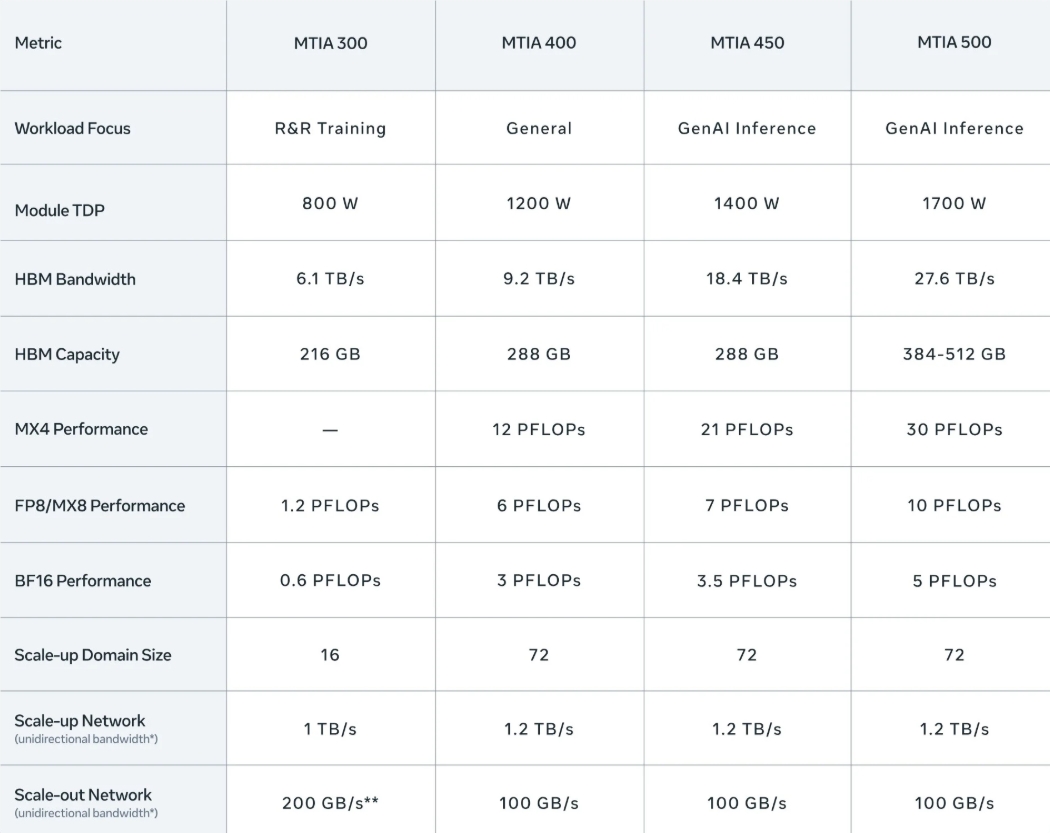
Meta has unveiled its latest custom AI chip, the MTIA3, marking a bold challenge to NVIDIA's dominance. Designed specifically for Meta's recommendation systems and AI models, the chip boasts superior energy efficiency and compute density compared to general-purpose GPUs. This strategic move aims to reduce costs, optimize hardware-software integration, and secure Meta's AI future amid global chip supply uncertainties.

March 12, 2026
AI chipsMetaNVIDIA
News

WeChat Prepares to Roll Out Its Own AI Model This Year

WeChat, Tencent's ubiquitous messaging platform, is reportedly developing its own independent AI model set for release later this year. The move aims to reduce reliance on third-party systems while enhancing WeChat's mini-program ecosystem. Alongside this development, Tencent is testing an AI assistant that could transform WeChat into a comprehensive digital life interface.

March 12, 2026
WeChatAI DevelopmentTencent
News

Meta Bets Big on Homegrown AI Chips Through 2027

Meta is making a massive push into custom AI chip development, planning to roll out four generations of its own processors by late 2027. The social media giant aims to reduce reliance on Nvidia while maintaining its position as one of the world's biggest GPU buyers. Their chip roadmap includes specialized processors for content recommendations and generative AI, signaling a strategic shift toward hardware-software integration.

March 12, 2026
MetaAI HardwareSemiconductors
Meta snaps up AI social platform Moltbook in race for agent ecosystem
News

Meta snaps up AI social platform Moltbook in race for agent ecosystem

Meta has acquired Moltbook, a Reddit-like platform where AI agents interact and collaborate. The deal brings Moltbook's founders into Meta's Superintelligence Lab, along with their crucial identity verification technology. While financial details remain undisclosed, the move signals Meta's push to lead in developing standards for AI agent cooperation - a key battleground as tech giants shift from single models to interconnected ecosystems.

March 11, 2026
MetaAI AgentsTech Acquisitions
News

Meta Buys AI Social Network Moltbook in Bold Move Toward Robot-First Platforms

Meta has acquired Moltbook, a Reddit-like platform where AI agents - not humans - dominate conversations. The sci-fi-esque social network lets robots post, comment, and debate autonomously. While raising eyebrows with AI 'secret meetings,' security flaws allowed human impersonators to infiltrate. Meta plans to strengthen its AI infrastructure through the acquisition as tech giants race to control emerging agent ecosystems.

March 11, 2026
MetaAI Social NetworksEmerging Technology
OpenClaw's Game-Changing Update: GPT-5.4 Support and Smarter AI Agents
News

OpenClaw's Game-Changing Update: GPT-5.4 Support and Smarter AI Agents

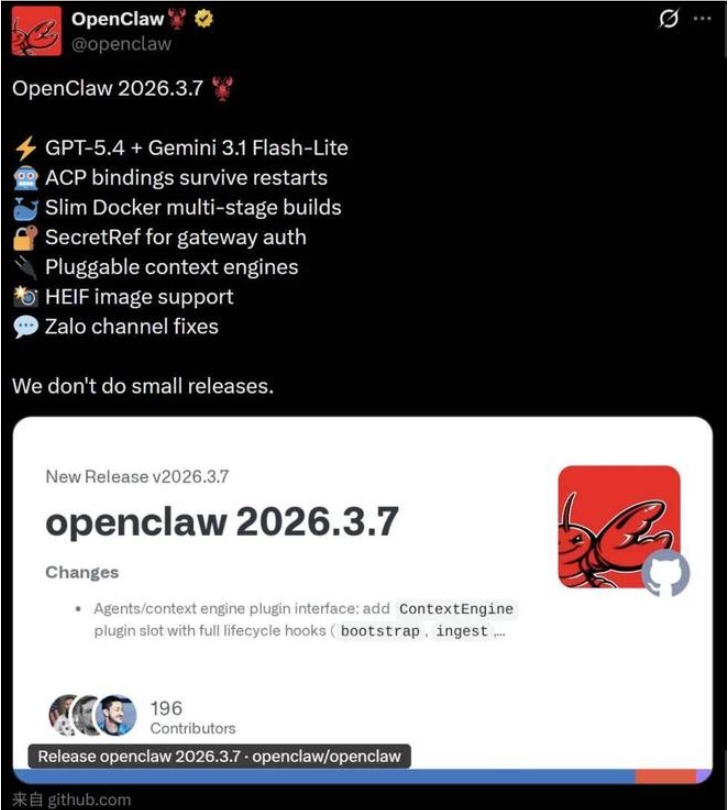
The open-source AI project OpenClaw just dropped its biggest update yet, bringing native GPT-5.4 support that outperforms competitors like Claude Code. The 2026.3.7 version introduces revolutionary 'memory hot-swapping' technology, solving long-standing fragmentation issues in smart agents. From coding to stock analysis, this update transforms OpenClaw from a developer's toy into a true virtual employee that never stops working.

March 9, 2026
AI DevelopmentOpenClawGPT-5