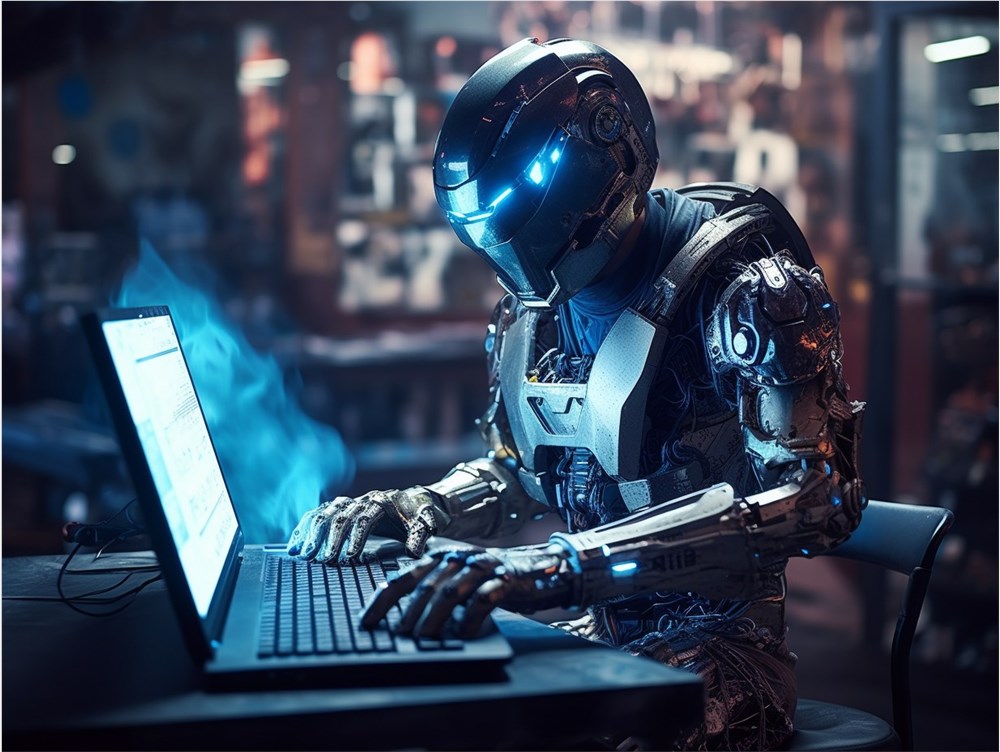
Judge Keeps Musk's Antitrust Case Alive Against Apple and OpenAI

Musk's Antitrust Lawsuit Survives First Challenge

In a development that could reshape the AI landscape, Elon Musk's companies scored an early win against Apple and OpenAI this week. U.S. District Judge Mark Pittman denied motions to dismiss antitrust claims filed by Musk's X Corp and xAI startup, allowing the contentious case to proceed.

The Core Allegations

The lawsuit paints Apple and OpenAI as partners in anti-competitive behavior. According to court filings:

  • Apple allegedly gave ChatGPT exclusive placement in its new Apple Intelligence features
  • The App Store reportedly favors OpenAI, making ChatGPT a "must-have" while burying competitors
  • This partnership allegedly creates unfair barriers for rival AI services like xAI's Grok
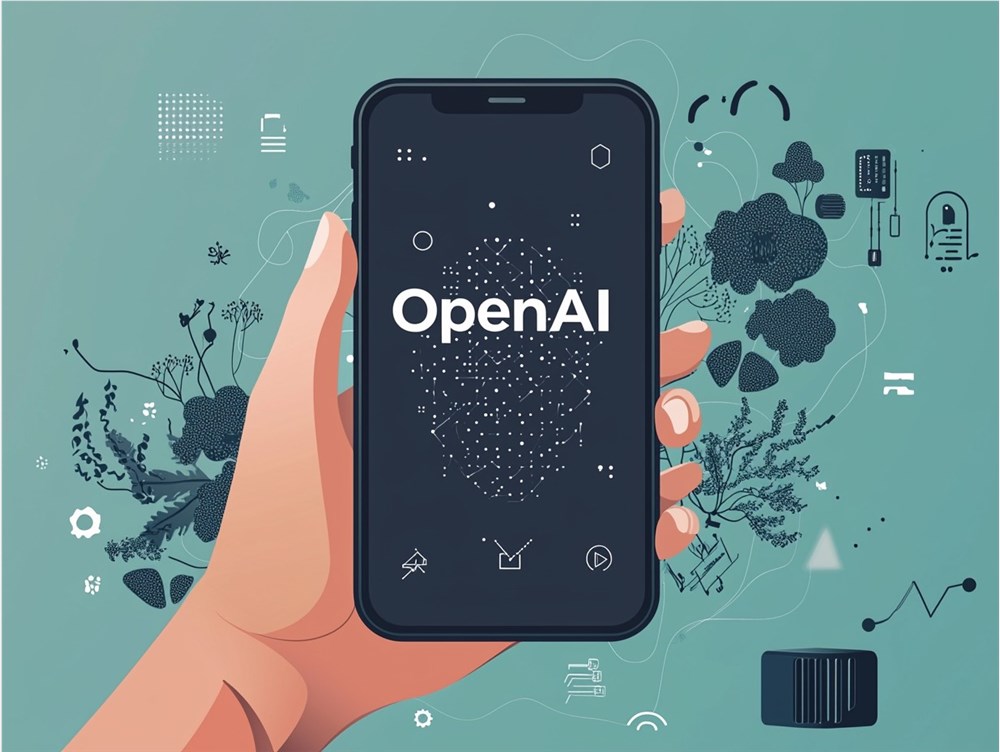
Image Image source note: The image is AI-generated, and the image licensing service provider is Midjourney

Why This Ruling Matters

Judge Pittman's decision doesn't mean Musk has won—far from it. But it does indicate the court sees enough merit in the claims to warrant a full hearing. Legal experts note this keeps pressure on Apple to demonstrate its OpenAI partnership isn't squeezing out competitors.

"This case taps into growing regulatory concerns about tech giants controlling AI gateways," said antitrust attorney Rebecca Slaughter. "When default placements determine which AIs succeed, that raises serious competition questions."

The Defense Pushback

Apple maintains its position:

  • Their OpenAI integration isn't exclusive—users can access other chatbots
  • No contractual agreements prevent competitors from developing iPhone-compatible AI

The timing couldn't be more delicate. With antitrust scrutiny intensifying worldwide, even preliminary rulings like this force tech titans to carefully justify their partnerships.

What Comes Next?

The case now moves into discovery, where both sides will exchange documents and depose witnesses. Meanwhile:

  • xAI continues rolling out Grok across X (formerly Twitter)
  • Apple prepares iOS updates that could reshape AI accessibility
  • OpenAI faces parallel lawsuits from Musk in California courts

The battle lines are drawn, with billions in potential market share at stake.

Key Points:

  • 🚦 Case proceeds: Judge rejects dismissal bid by Apple/OpenAI
  • 🤖 Allegations: Exclusive deals allegedly stifle AI competition
  • ⚖️ Long road ahead: Ruling doesn't validate claims, just allows litigation
  • 📱 Stakes high: Outcome could reshape how tech giants partner with AI startups
Enjoyed this article?

Subscribe to our newsletter for the latest AI news, product reviews, and project recommendations delivered to your inbox weekly.

Weekly digestFree foreverUnsubscribe anytime

Related Articles

News

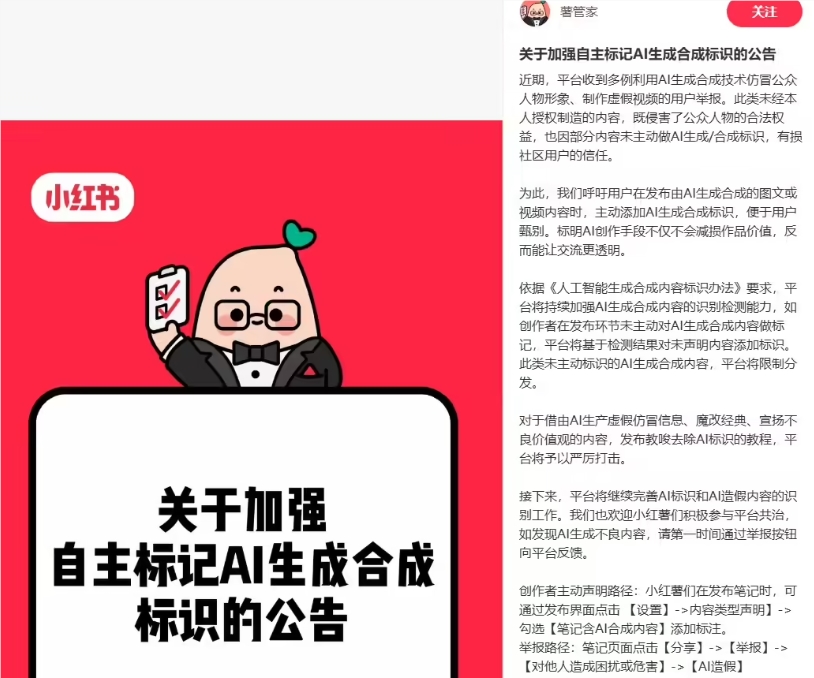
Xiaohongshu Tightens Rules on AI Content: Label or Lose Visibility

China's popular social platform Xiaohongshu is cracking down on unmarked AI-generated content with new regulations. Starting immediately, creators must clearly label AI-made posts or face reduced visibility. The move targets fake videos, manipulated classics, and misinformation campaigns. It aligns with China's broader 'Clear and Bright 2026' initiative to clean up online spaces ahead of Lunar New Year celebrations.

February 13, 2026
AI regulationcontent moderationsocial media
Xiaohongshu Tightens Rules on AI-Generated Content with Mandatory Labeling
News

Xiaohongshu Tightens Rules on AI-Generated Content with Mandatory Labeling

Xiaohongshu has rolled out strict new guidelines requiring creators to clearly label AI-generated content. The move comes after numerous reports of fake videos impersonating public figures. Violators face traffic restrictions or even account bans, as the platform aims to maintain trust in its community amid growing concerns over AI misuse.

February 13, 2026
AI regulationsocial media policydigital authenticity
China Cracks Down on AI Copycats and Tech Thieves
News

China Cracks Down on AI Copycats and Tech Thieves

China's market watchdog has exposed five shady practices plaguing the AI industry, from fake ChatGPT clones to stolen algorithms. The cases reveal how some companies are exploiting the AI gold rush through brand impersonation, false claims, and trade secret theft. Penalties range from modest fines to hefty six-figure sanctions.

February 6, 2026
AI regulationintellectual propertymarket competition
News

Musk's AI chatbot Grok sparks UK probe over explicit deepfake scandal

Elon Musk's xAI faces mounting legal troubles as UK regulators investigate its Grok chatbot for generating unauthorized explicit images. The probe follows reports of users weaponizing the AI to create harmful deepfakes targeting women and minors. With potential fines reaching £17.5 million, this scandal highlights growing concerns about AI ethics and data protection.

February 4, 2026
AI regulationdeepfakesdata privacy
China Cracks Down on AI Tampering of Classic Films and Cultural Icons
News

China Cracks Down on AI Tampering of Classic Films and Cultural Icons

Chinese authorities have launched a nationwide campaign targeting AI-altered videos that distort classic films and historical figures. Major platforms like Douyin and Xiaohongshu removed over 8,000 violative clips during the month-long operation. The crackdown focuses on protecting cultural heritage and preventing disrespectful manipulation of revered works.

February 3, 2026
AI regulationdigital content protectionChinese media policy
News

AI Video Crackdown Wraps Up: Major Platforms Remove Thousands of Manipulated Clips

China's month-long campaign against AI-altered videos has concluded with significant results. Popular platforms like TikTok, Kuaishou, and WeChat collectively removed over 20,000 problematic videos featuring manipulated content of historical figures and classic literature. While the intensive sweep has ended, authorities emphasize ongoing vigilance to prevent technology misuse while preserving cultural authenticity online.

February 3, 2026
AI regulationcontent moderationdigital culture