HSBC Warns: OpenAI Faces $207 Billion Power Bill Crisis
The Shocking Math Behind AI's Power Problem
When ChatGPT went viral, few anticipated its insatiable appetite for electricity would become its Achilles' heel. HSBC analysts dropped a bombshell last week: keeping OpenAI's servers humming until 2030 could require $207 billion in additional computing power investments - equivalent to constructing a medium-sized power plant in America's heartland.
Revenue Isn't Enough
The bank's projections paint a paradoxical picture:
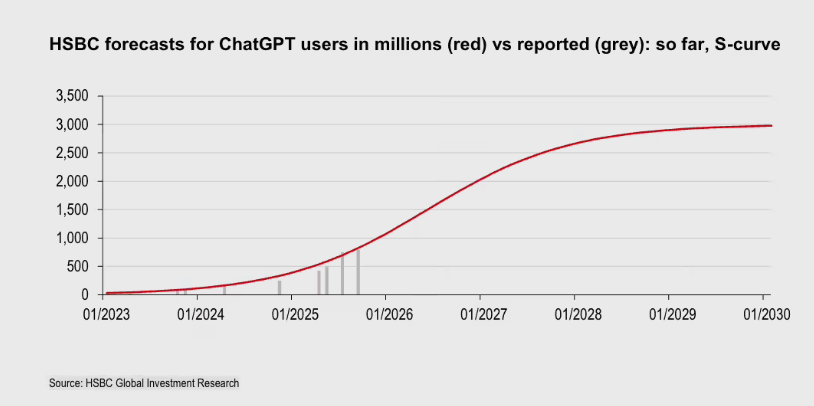
- 3 billion users expected by 2030 (44% of global adults)
- Paid subscription rates doubling to 10%
- 2% share of digital advertising revenue
Yet these impressive numbers still leave OpenAI drowning in red ink. Why? The staggering costs of:
- Cloud infrastructure leases ($792 billion cumulative)
- Data center operations ($620 billion annual rent by 2030)
"Each 'Hello' from ChatGPT adds another liability," quipped one analyst.
Investor Jitters Grow
The capital markets are flashing warning signs:
- Oracle and Meta scrambling with bond issues for AI expansion
- Credit default swaps spiking as skepticism grows
- Market share projections showing steep declines (71% → 56% consumer; 50% → 37% enterprise)
HSBC suggests OpenAI faces a brutal choice: take on dangerous debt levels or risk being overtaken by cutting investment.
The Productivity Paradox Returns
The Solow Paradox - where visible tech advancements don't translate to measurable productivity gains - haunts these calculations. With OpenAI's power needs ballooning to 36GW, analysts wonder: Will profitability arrive before investor patience runs out?
The $207 billion question remains unanswered, but the alarm bells are ringing loud enough to wake Silicon Valley.
Key Points:
- Financial Black Hole: $207 billion needed just for computing infrastructure through 2030
- Revenue Trap: Even $213 billion in projected income might not cover costs
- Market Concerns: Investors increasingly skeptical about AI financing models