Anthropic CEO Sounds Alarm on AI Industry's Risky Betting Spree
Anthropic CEO Sounds Alarm on AI Industry's Risky Betting Spree
At Wednesday's New York Times DealBook Summit, Anthropic CEO Dario Amodei didn't mince words about the artificial intelligence gold rush. While stopping short of calling it a full-blown bubble, he delivered sobering warnings about reckless expansion strategies—with thinly veiled references to competitors like OpenAI.
The Precarious Balancing Act
When pressed about bubble risks, Amodei avoided simplistic answers. "It's not black and white," he explained. "We're looking at an incredibly promising technology trapped in a complex economic dance." His chief concern? Companies mistiming their moves or failing to account for how long it takes economic value to materialize.
The real challenge lies in aligning two unpredictable clocks: the speed of AI advancement versus the years needed to build supporting infrastructure like data centers. Get this wrong, Amodei warned, and even groundbreaking innovations could stumble.

A Subtle Jab at Reckless Rivals
Amodei saved his sharpest critique for what he called "YOLO economics"—companies betting everything on explosive growth without proper safeguards. "Some players are pushing risks dangerously high," he cautioned, referencing internet slang meaning "you only live once."
The remarks gained extra bite coming weeks after OpenAI's CFO sparked controversy by suggesting taxpayers should backstop their infrastructure loans. While never naming names, Amodei's message was clear: Not everyone is playing responsibly.
"We're navigating this carefully," he stressed. "I can't speak for other companies, but we believe measured planning will prove crucial when uncertainties hit."
The Hidden Threat Lurking in Server Rooms
Beyond financial risks, Amodei spotlighted an often-overlooked challenge: AI chip obsolescence. Today's cutting-edge processors might become tomorrow's expensive paperweights as newer models deliver better performance at lower costs.
"GPUs don't wear out physically," he noted, "but their economic value can evaporate overnight when superior alternatives emerge." Anthropic now builds this risk into its long-term planning—something not all competitors may be doing.
Sobering Numbers Behind the Hype
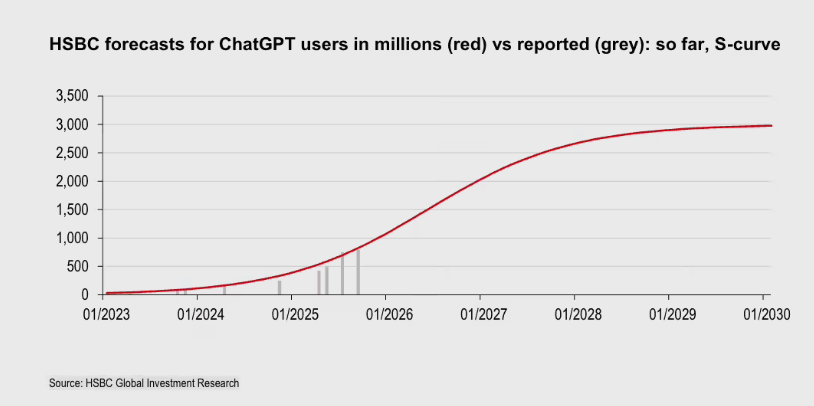
The CEO revealed staggering growth figures—Anthropic's revenue multiplied tenfold annually for three straight years, potentially reaching $8-10 billion by year-end. But he quickly tempered expectations: "Assuming this continues would be foolish."
"Will it be $20 billion next year? $50 billion? Nobody knows. We plan conservatively because uncertainty demands it—even if that feels uncomfortable."
The stakes couldn't be higher. Underinvest in computing capacity and you can't meet demand; overinvest and you risk financial ruin chasing phantom growth. For Amodei, finding that balance isn't just strategy—it's survival.