Cohere Takes on AI Giants with Open-Source Speech Model

Cohere Disrupts Speech AI with Open-Source Edge Model

In a bold challenge to industry leaders, AI company Cohere unveiled Transcribe on March 26 - a surprisingly nimble speech recognition model that could change how we interact with devices. With just 2 billion parameters (far fewer than typical models), Transcribe delivers impressive accuracy while being small enough to run directly on smartphones and industrial hardware.

Breaking the Cloud Dependency

What makes Transcribe stand out? It tackles one of speech AI's biggest headaches: latency. Traditional models require constant cloud connectivity, creating delays and privacy concerns. Cohere's solution processes speech locally, offering:

  • Faster response times for real-time applications
  • Enhanced privacy for sensitive sectors like healthcare and finance
  • Reduced infrastructure costs by minimizing cloud computing needs

"We're seeing growing demand for AI that works offline," notes industry analyst Maria Chen. "Cohere's timing couldn't be better."

Multilingual Performance That Surprises

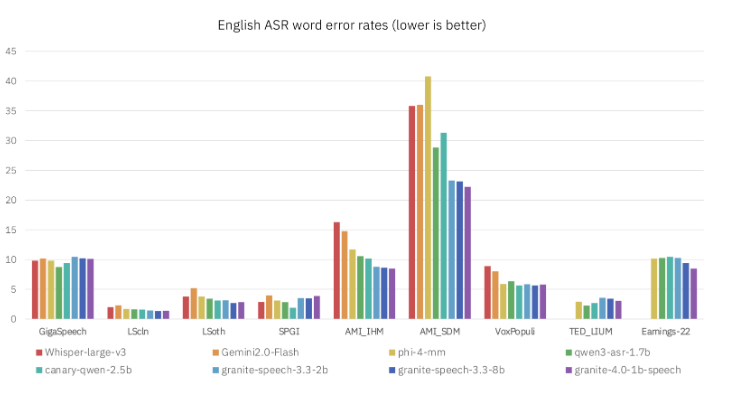
The model supports 14 languages including Chinese, Japanese and Hebrew - an impressive feat for its compact size. Independent benchmarks show it outperforming established competitors like Alibaba's Qwen3 in accuracy tests. How did they achieve this? Cohere's engineers focused on optimizing neural network efficiency rather than simply adding more parameters.

Strategic Play in the Agent Wars

This release marks Cohere's first major move beyond text generation into speech recognition - a critical capability as AI assistants evolve. The company plans to integrate Transcribe into its North platform, positioning it as a complete solution for building intelligent agents.

The open-source approach (using Apache 2.0 license) mirrors Meta's successful playbook, inviting developer innovation while establishing Cohere as a serious contender against IBM, Zoom, and other enterprise AI providers.

Key Points:

  • Lightweight design: 2B parameter model runs efficiently on edge devices
  • Language support: Covers 14 languages with leading accuracy
  • Open ecosystem: Apache 2.0 license encourages community development
  • Strategic expansion: Complements Cohere's existing text AI strengths
Enjoyed this article?

Subscribe to our newsletter for the latest AI news, product reviews, and project recommendations delivered to your inbox weekly.

Weekly digestFree foreverUnsubscribe anytime

Related Articles

IBM's Granite 4.0 Speech Model: Smaller Size, Bigger Performance
News

IBM's Granite 4.0 Speech Model: Smaller Size, Bigger Performance

IBM has unveiled Granite 4.0 1B Speech, a compact yet powerful multilingual speech recognition model designed for edge computing. Half the size of its predecessor, it delivers improved accuracy while supporting Japanese ASR and English-Chinese translation. The innovative two-stage architecture allows flexible deployment on resource-constrained devices, topping benchmarks with an impressive 5.52% word error rate.

March 16, 2026
IBMspeech recognitionedge computing
News

Hume AI's TADA Brings Lightning-Fast, Hallucination-Free Speech to Your Phone

Hume AI has unveiled TADA, a groundbreaking text-to-speech system that runs efficiently on mobile devices. Unlike traditional models, it eliminates content hallucinations while delivering audio five times faster. What really sets it apart? The ability to generate 700-second audio clips and provide real-time transcriptions simultaneously - no extra processing needed. Early tests show it outperforms larger models in voice quality too.

March 12, 2026
AI speech synthesismobile technologyopen source AI
Kunlun Wanwei's Open-Source Video AI Takes Creativity to New Heights
News

Kunlun Wanwei's Open-Source Video AI Takes Creativity to New Heights

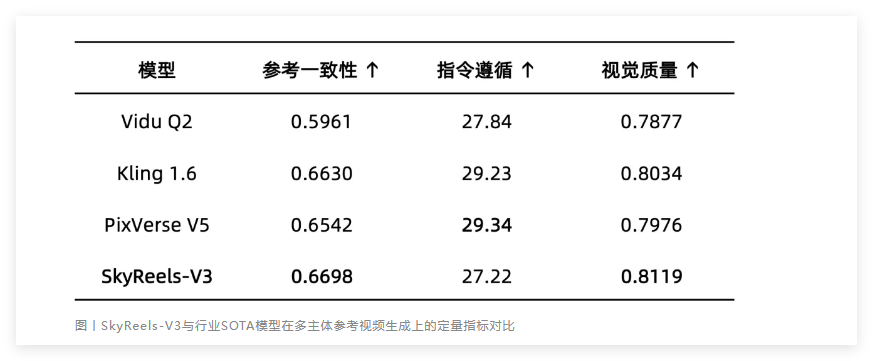
Chinese tech firm Kunlun Wanwei has unveiled SkyReels-V3, an open-source video generation model that's turning heads in the AI community. This versatile tool combines image-to-video conversion, cinematic-style extensions, and lifelike virtual avatars in one package. Early tests show it outperforms commercial rivals in visual quality and consistency. Best of all? It's free to use—for now.

January 29, 2026
AI video generationopen source AImultimodal models
News

Alibaba Cloud's New Image Editor Fixes Annoying Glitches

Alibaba Cloud's Tongyi Lab has unveiled Qwen-Image-Edit-2511, solving pesky image drift problems that frustrated users of earlier versions. The upgrade delivers smoother edits with better structural consistency and detail preservation. Now available as open-source, this tool could revolutionize everything from e-commerce to film editing.

December 26, 2025
AI image editingopen source AIcomputer vision
MiniMax and HUST Open-Source Game-Changing Visual AI Tech
News

MiniMax and HUST Open-Source Game-Changing Visual AI Tech

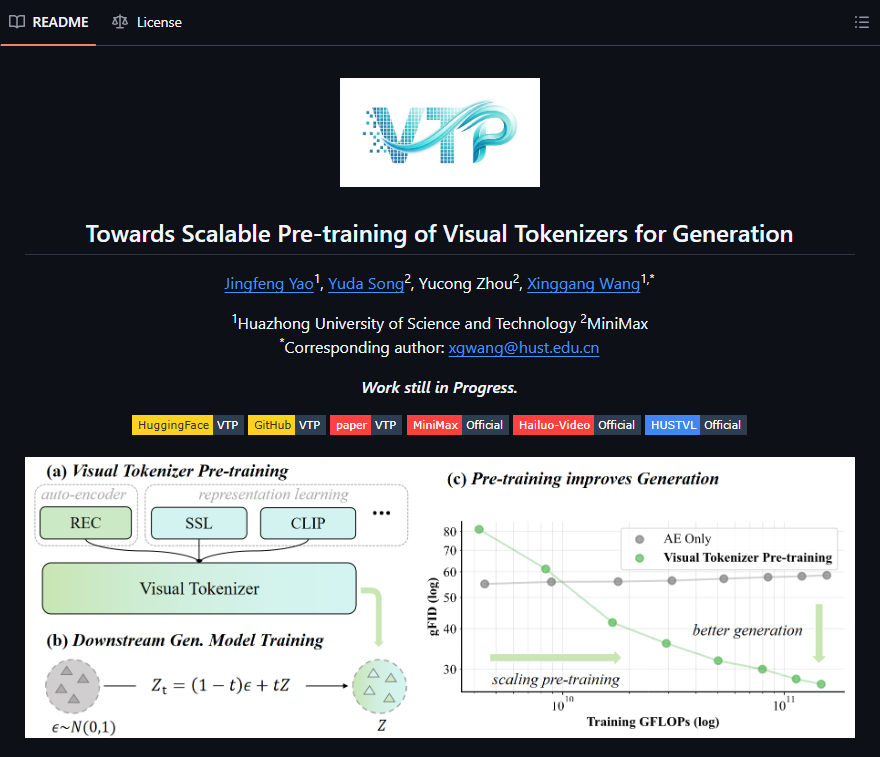
MiniMax and Huazhong University of Science and Technology have made waves by open-sourcing their VTP technology, which boosts image generation performance by nearly 66% without altering core model architecture. This breakthrough challenges conventional wisdom in AI development, proving that smarter optimization can outperform brute-force scaling.

December 24, 2025
AI innovationcomputer visionopen source AI
AI2's Molmo 2 Brings Open-Source Video Intelligence to Your Fingertips
News

AI2's Molmo 2 Brings Open-Source Video Intelligence to Your Fingertips

The Allen Institute for AI has just unveiled Molmo 2, a game-changing open-source video language model that puts powerful visual understanding tools directly in developers' hands. With versions ranging from 4B to 8B parameters, these lightweight yet capable models can analyze videos, track objects, and even explain what's happening on screen. What makes this release special? Complete transparency - you get full access to both the models and their training data, a rare find in today's proprietary AI landscape.

December 17, 2025
AI researchcomputer visionopen source AI