IBM's Granite 4.0 Speech Model: Smaller Size, Bigger Performance
IBM Raises the Bar With Compact Granite Speech Model
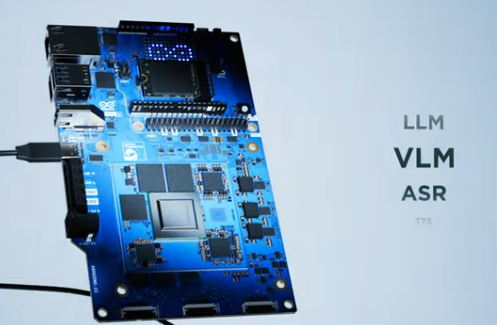
In a move that could reshape voice technology deployment, IBM has introduced Granite 4.0 1B Speech, a leaner but more capable version of its multilingual speech recognition system. Designed specifically for edge computing environments where resources are limited, this model packs surprising power into its streamlined framework.
Efficiency Meets Performance
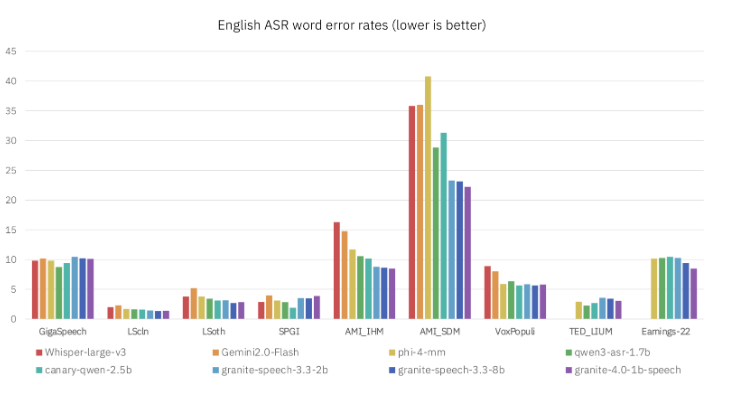
The numbers tell an impressive story: while sporting half the parameters of previous versions, Granite 4.0 actually delivers better results across multiple metrics. Imagine shrinking your smartphone while doubling its battery life - that's the kind of engineering achievement IBM has accomplished here.
Key improvements include:
- New support for Japanese automatic speech recognition (ASR)
- Enhanced keyword bias detection
- Significant accuracy boosts in English transcription
The secret sauce? A relentless focus on optimizing memory usage and reducing computational overhead without compromising core functionality.
How It Works: Two-Stage Innovation
The model employs a clever modular approach that separates audio processing from language understanding:
- First converts audio signals to text
- Then processes that text through IBM's specialized Granite language model
This architecture gives developers welcome flexibility - they can customize each stage independently based on specific needs.
Language Capabilities That Impress
Currently supporting six languages (English, French, German, Spanish, Portuguese and Japanese), Granite shines particularly bright in English-to-Chinese (Mandarin) translation tasks. For global businesses operating across these languages, this could mean smoother communication with fewer hiccups.
The performance metrics speak volumes - topping the OpenASR leaderboard with an average word error rate of just 5.52%, making it one of the most accurate solutions available today.
Open Source Advantage
In a win for developers everywhere, IBM has released Granite under the permissive Apache 2.0 license. This means teams can deploy it locally using popular frameworks like Transformers or vLLM - particularly valuable for mobile or edge devices where cloud connectivity might be spotty.
The implications are exciting: from smarter voice assistants in remote locations to real-time translation devices that don't need constant internet access.
Key Points:
- 50% smaller than previous versions with improved accuracy
- Supports six languages plus English-Chinese translation
- Innovative two-stage architecture enables flexible deployment
- Leads OpenASR benchmark with 5.52% word error rate
- Available as open source under Apache 2.0 license