Chinese AI Cancer Screening Tech Makes Debut in Pakistan
Chinese AI Cancer Screening Tech Expands to Pakistan
In a significant move for global healthcare, Alibaba's DAMO Academy has forged partnerships with Pakistani medical institutions to deploy its cutting-edge AI cancer screening technology. The agreements signed on March 3, 2026 will see this innovative system implemented at Capital Hospital and Khawaja Safdar Medical College.
How the Technology Works
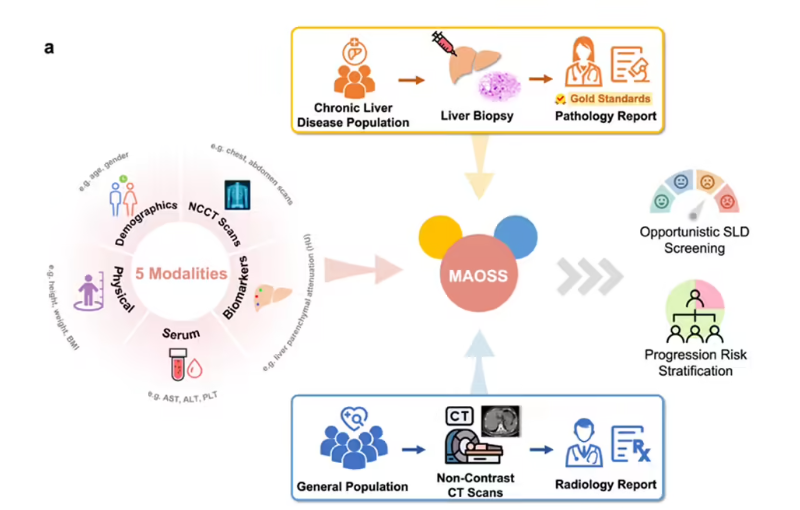
The AI system uses sophisticated computer vision algorithms to spot early signs of multiple cancers - including pancreatic, gastric, colorectal and esophageal - that often escape human detection. It also identifies chronic conditions like fatty liver disease. What makes this particularly valuable in Pakistan is the technology's ability to function effectively even with limited medical infrastructure.
"This isn't just about exporting technology," explains Dr. Amina Khan, a radiologist at Capital Hospital. "It's about giving our doctors superhuman vision - catching diseases earlier when they're most treatable."
The Cloud Connection
Pakistan's largest cloud provider Sky47 will handle the technical heavy lifting, ensuring the AI system runs smoothly across different hospital networks. This "AI + Cloud" model solves two critical challenges:
- Accessibility: Cloud deployment means even rural clinics can benefit from the technology
- Affordability: Shared infrastructure keeps costs manageable for developing nations
The partnership represents China's most ambitious medical AI export yet along Belt and Road Initiative countries. Currently operational in 10 countries worldwide, the system has already screened over 20 million patients.
Why This Matters Globally
The Pakistan deployment proves Chinese-developed AI can adapt successfully to diverse medical environments. More importantly, it demonstrates how technology transfers can help bridge global healthcare disparities.
"We're seeing medical AI evolve from single-disease tools to comprehensive diagnostic partners," notes healthcare analyst Michael Chen. "This Pakistani initiative could become a blueprint for improving care in underserved regions worldwide."
The collaboration arrives as global health experts increasingly view advanced medical technologies as essential tools for equitable healthcare access - not just luxury items for wealthy nations.
Key Points:
- Multi-cancer detection: Screens for five cancer types plus chronic conditions
- Proven track record: Already serving 20 million patients globally
- Cloud-powered: Sky47 ensures wide accessibility across Pakistan
- Global model: Demonstrates how tech transfers can address healthcare inequality