How an AI Nutrition Coach Outperformed Human Experts
The Rise of AI Nutrition Coaches
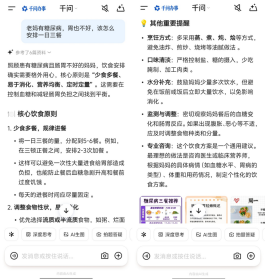
Madam Li's daily meals had become a family crisis. At 68 with diabetes and digestive issues, every bite mattered. When her son downloaded a health AI and asked "How should I plan meals for my diabetic mother with weak digestion?", the response surprised everyone. Instead of generic advice, it suggested specific breakfast swaps like "mixed grain porridge with egg custard" and recommended steaming vegetables until soft.
Putting AI to the Test
With more people turning to chatbots for health advice, the Center for Science Communication on Food and Health decided to investigate. They tested three leading AI health apps using 10 common nutrition scenarios, then had five top experts evaluate the responses blindly. The criteria? Accuracy, clarity, and practical usefulness.
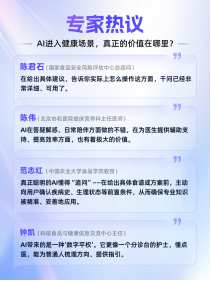
"Qwen's answers were more detailed - telling you exactly how to do things," said Chen Junshe from the National Food Safety Risk Assessment Center after reviewing the results. "That's not easy for AI."

When AI Outshines Human Advice
Peking Union Medical College Hospital's nutrition chief Chen Wei observes patients regularly bringing AI suggestions to appointments. "Good AI answers save me time explaining basics," he notes, though warning that poor ones can mislead.
Qwen's strength comes from two factors: its foundation in authoritative medical literature (reducing "AI hallucinations"), and its focus on actionable advice rather than medical jargon. As Chen Wei puts it: "The public has accepted AI health consultations - now we need to ensure quality."

The Verdict on AI Health Advice
So can you trust AI for health guidance? The experts agree: it depends. For diagnosis or medication - see a doctor. But for practical questions like "What should grandma eat with digestion issues?" or "Is this food rumor true?", Qwen provides reliable starting points.
Center director Zhong Kai compares a good health AI to a triage nurse: "They can't replace doctors, but they help identify risks and decide if you need hospital care." For patients overwhelmed by medical specialization, that guidance proves invaluable.

Key Points:
- Practical over theoretical: Qwen excelled by providing specific, actionable meal plans rather than general principles
- Expert-approved: Nutrition specialists validated the AI's advice in blind testing
- Limited but valuable: While not replacing doctors, AI fills crucial gaps in everyday health guidance
- Quality matters: Only AIs with verified medical data sources should be trusted for health advice