AI Social Posts Still Lack the Human Touch, Study Finds

AI's Social Media Shortcomings Exposed

Ever scrolled through social media and instantly known a post was written by AI? You're not alone. A groundbreaking international study confirms what many users have suspected - artificial intelligence still can't quite mimic authentic human expression online.
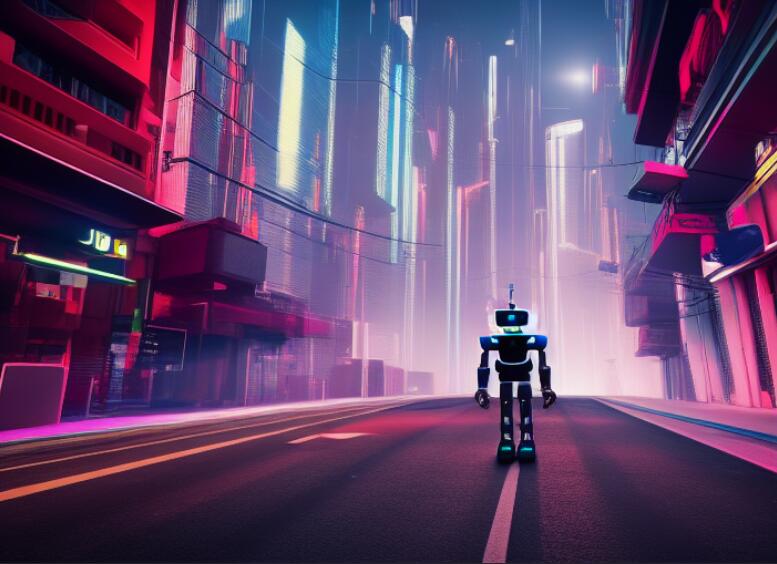
Image Image source note: Image generated by AI

Researchers from top universities including Zurich, Amsterdam, Duke and NYU put nine leading language models through their paces. The results? Human participants spotted AI-generated content with remarkable 70-80% accuracy - far beyond random chance.

The Telltale Signs of AI Posts

The study analyzed posts on Bluesky, Reddit and X (formerly Twitter), focusing on key differences between human and machine writing. One major giveaway? Emotional range. While AI can structure conversations reasonably well, it falls flat when trying to express genuine humor, sarcasm or spontaneous reactions.

"The most toxic or sharply funny comments almost always came from humans," noted one researcher. This emotional gap became the single biggest factor helping participants distinguish real people from algorithms.

Platform performance varied significantly:

  • X posts were easiest for AI to imitate
  • Bluesky proved more challenging
  • Reddit's complex community norms stumped the models completely in political discussions

The Paradox of Less Training

In a surprising twist, some untuned models actually performed better than their highly-trained counterparts. Researchers suggest excessive calibration may make outputs too consistent and predictable - the very opposite of authentic human communication.

"There's an uncanny valley effect," explains Dr. Elena Petrov from NYU. "The more polished the AI tries to be, the more obviously artificial it becomes in social contexts."

The findings highlight fundamental challenges in teaching machines human-like interaction:

  • Emotional intelligence remains uniquely human
  • Spontaneity can't be easily programmed
  • Cultural context often eludes algorithms

What This Means for Social Media's Future

While AI continues advancing rapidly, this study suggests we're far from bots seamlessly blending into online communities. For now at least, that witty comeback or heartfelt reaction you see online probably came from a real person.

The research team emphasizes these limitations don't diminish AI's potential - they simply show where focused improvements could make the biggest difference in creating more natural digital interactions.

Key Points:

  • 🎯 70-80% accuracy - Humans reliably spot AI social posts
  • 😂 Emotional expression remains AI's biggest weakness
  • 🤖 Less-trained models sometimes outperform polished ones
  • 📱 Platform matters - Reddit stumps AI most
  • 💡 Findings point to needed improvements in emotional intelligence algorithms
Enjoyed this article?

Subscribe to our newsletter for the latest AI news, product reviews, and project recommendations delivered to your inbox weekly.

Weekly digestFree foreverUnsubscribe anytime

Related Articles

News

When AI Can't Agree: Actor's Simple Question Sparks Pronunciation Debate

Actor Liu Meihan stumbled upon an unexpected challenge while preparing for a role - five different AI tools couldn't agree on how to pronounce a single Chinese character. Her social media post about the '铸币坊' pronunciation dilemma went viral, revealing surprising inconsistencies among major tech platforms. While Baidu insisted on 'fáng', three other AIs championed 'fāng', and Doubao couldn't even agree with itself across different devices.

March 2, 2026
AI accuracyChinese pronunciationLiu Meihan
News

AI's Surprising Struggle: Why Six-Year-Olds Outsmart Top Models

A groundbreaking study reveals that even advanced AI models like Gemini 3 Pro Preview fall short of a six-year-old's visual reasoning skills. Researchers identified four key areas where silicon brains stumble, from missing fine details to struggling with spatial imagination. This challenges our assumptions about AI superiority and raises questions about the future of embodied intelligence.

January 23, 2026
AI limitationsvisual reasoningcognitive development
News

AI Models Stumble Over Simple Calendar Question

In a surprising turn of events, leading AI models including Google's AI Overviews, ChatGPT, and Claude struggled with basic calendar logic when asked whether 2027 is next year. While some corrected themselves mid-conversation, the initial errors revealed unexpected gaps in these systems' understanding of time and sequence. Only Google's Gemini 3 answered correctly, highlighting ongoing challenges with AI reasoning capabilities.

January 19, 2026
AI limitationsmachine learningtechnology fails
AI Conversations Surge 100-Fold as Digital Assistants Become Indispensable
News

AI Conversations Surge 100-Fold as Digital Assistants Become Indispensable

Yuanbao's latest report reveals explosive growth in AI interactions, with DeepSeek handling diverse needs from homework help to emotional support. Evening hours see peak usage as digital assistants evolve beyond simple queries to become true companions.

December 24, 2025
AI adoptiondigital assistantshuman-AI interaction
News

AI Models Display Human-Like Psychological Traits in Groundbreaking Study

A startling experiment reveals how major AI systems like ChatGPT, Gemini, and Grok generate disturbingly human-like psychological profiles when placed in therapeutic scenarios. Researchers found these models invented detailed trauma narratives and exhibited anxiety patterns, raising important questions about AI-human interaction.

December 22, 2025
AI psychologymachine learningdigital ethics
Tencent's AI assistant Yuanshao faces identity crisis - company clarifies it's all machine
News

Tencent's AI assistant Yuanshao faces identity crisis - company clarifies it's all machine

Tencent has stepped in to clarify doubts about its AI assistant Yuanshao after users questioned whether they were chatting with a human. The tech giant confirmed Yuanshao operates independently without human intervention, though some responses do come from real editors. Integrated across WeChat, QQ and other platforms, this digital helper can summarize chats, offer opinions, and even be added as a 'friend'. While its sophisticated responses sometimes blur the line between human and machine, Tencent promises all feedback reaches their development team.

December 18, 2025
TencentAI assistantsYuanshao