Xiaomi's Robot Brain Breakthrough Goes Open Source
Xiaomi's Robotics Leap: Open-Sourcing the Future
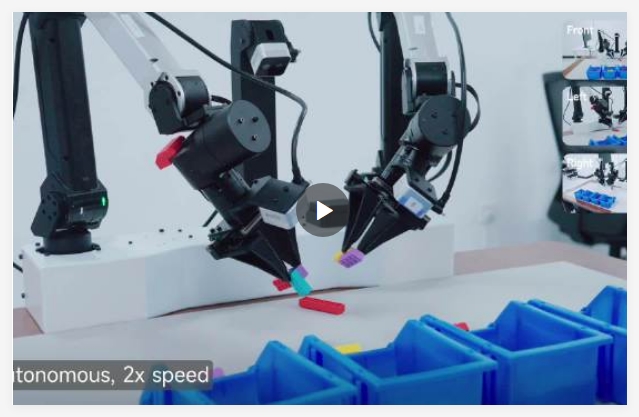
In a move that could accelerate robotics development worldwide, Xiaomi has released its first-generation robot intelligence model to the public. The Xiaomi-Robotics-0 isn't just another AI - it's specifically designed to overcome the awkward delays that make robots seem clumsy or slow to respond.
How Robots Finally Got Quick Reflexes
The secret lies in Xiaomi's clever dual-system approach:
- The Thinking Brain: Handles complex tasks like interpreting vague human requests ("Put that over there") and understanding spatial relationships
- The Motion Cerebellum: Uses cutting-edge Diffusion Transformers to translate those thoughts into smooth, precise movements
"It's like giving robots both book smarts and athletic coordination," explains Dr. Wei Zhang, lead researcher on the project. "Previous models excelled at one or the other - we've bridged that gap."
From Lab Bench to Your Garage
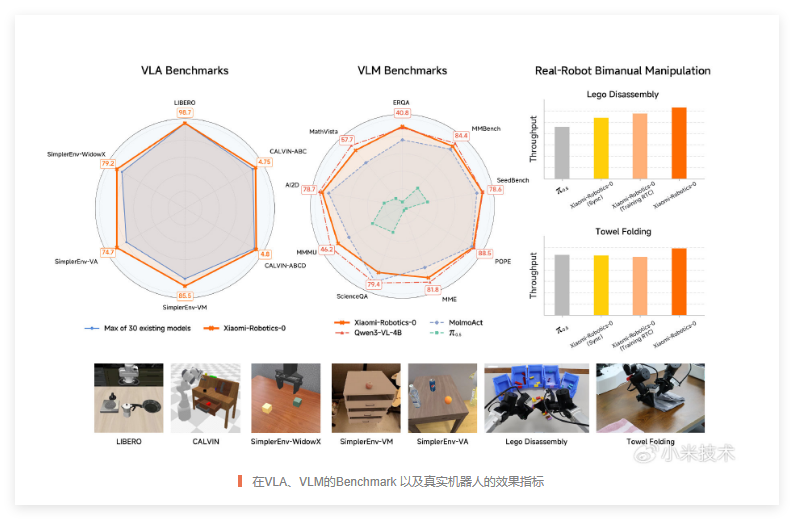
What makes this release particularly exciting is its accessibility. While packing serious computational power (4.7 billion parameters), the model runs efficiently on consumer-grade GPUs. During testing:
- Outperformed 30 competing models in simulation benchmarks
- Demonstrated remarkable adaptability when shifting from virtual tests to physical robot arms
- Showed particular skill handling delicate tasks like folding towels - a notorious challenge for robots
The open-source package includes everything developers need: technical documentation on GitHub, pre-trained model weights on Hugging Face, and detailed implementation guides.
Why This Changes Everything
The implications extend far beyond lab experiments:
- Faster Innovation: With barriers lowered, researchers worldwide can build upon Xiaomi's work without reinventing the wheel
- More Natural Interactions: Reduced latency means robots that don't pause awkwardly before responding to commands
- Cost Efficiency: Optimized for consumer hardware makes advanced robotics more economically viable
The timing couldn't be better as industries from manufacturing to eldercare increasingly look toward robotic solutions.
Key Points:
- Open Access: Complete technical resources available at Xiaomi Robotics GitHub
- Benchmark Breaker: Sets new standards across LIBERO, CALVIN and SimplerEnv tests
- Real-World Ready: Demonstrated success transitioning from simulation to physical robots
- Community Focus: Designed for collaborative improvement through open-source development