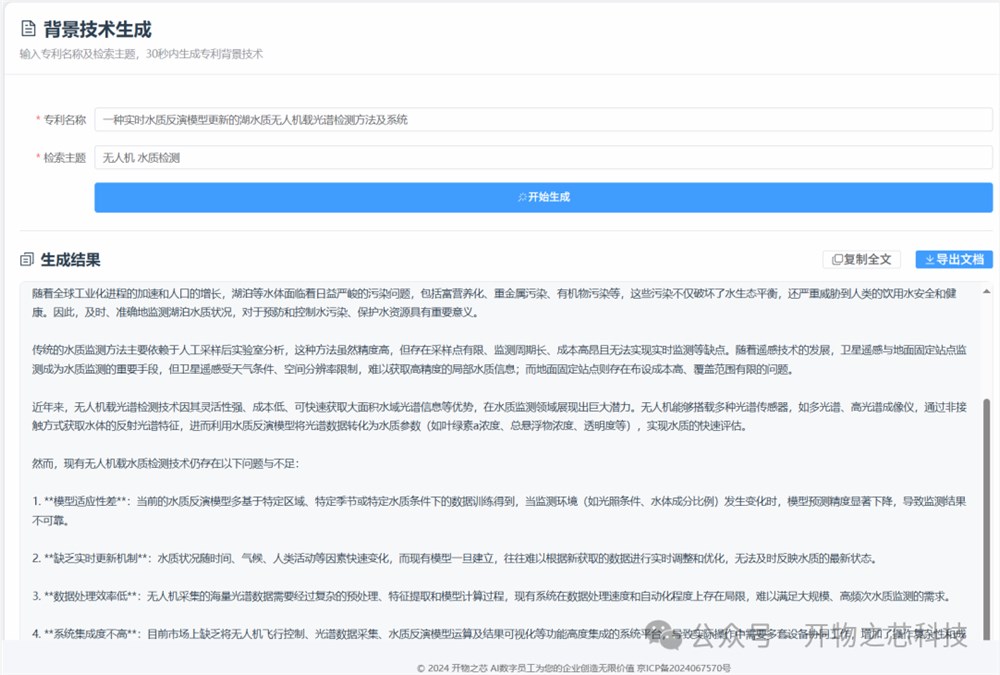
Zhuanqili AI: Turning Patent Writing from Days to Minutes

The Patent Revolution: How AI is Democratizing Intellectual Property Protection
Image

Picture a world where breakthrough ideas transform into protected patents faster than you can finish your morning coffee. That's the promise of Zhuanqili, the new AI assistant from KAIWU that's shaking up how we approach patent applications.

Breaking Down Barriers in Patent Protection

The traditional patent process has long been a minefield for innovators. "We've seen brilliant researchers spend more time wrestling with legal documents than on their actual discoveries," explains Dr. Li Wen, a technology transfer specialist at Tsinghua University. "The professional jargon, complex formatting requirements, and months-long timelines create unnecessary hurdles."

Zhuanqili tackles these pain points head-on with what developers call "Patent-native AI" - technology specifically designed for intellectual property protection rather than adapted from general writing tools.
Image

How It Works: Specialized Intelligence for Patents

Unlike generic AI writing assistants that often stumble on technical details, Zhuanqili boasts several key advantages:

  • Domain-Specific Training: Built on Baidu's ERNIE model but fine-tuned with over 1,000 patent documents across ten technical fields
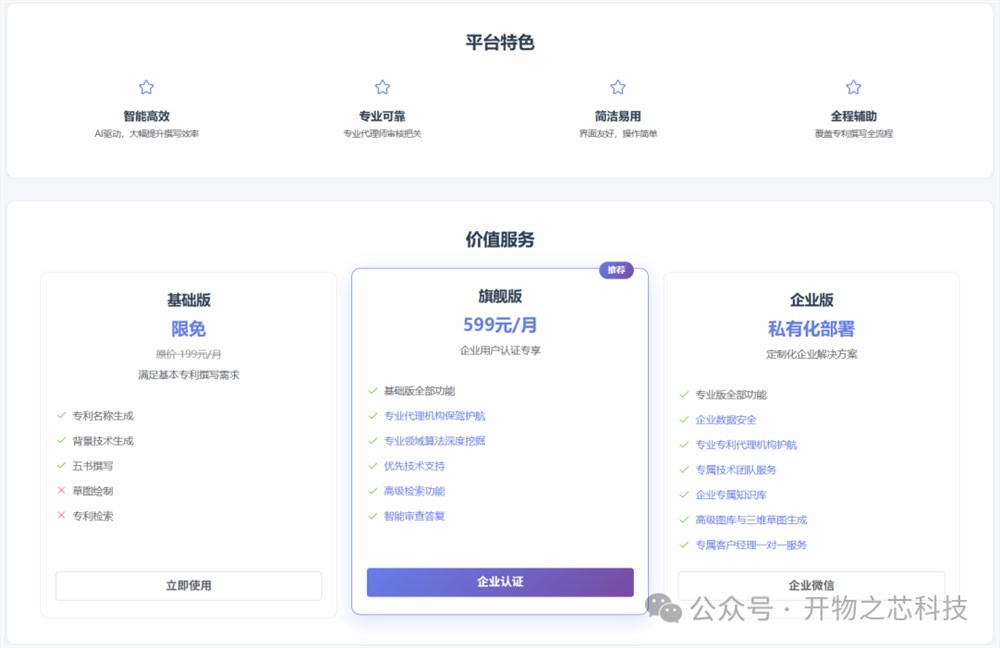
  • End-to-End Assistance: Handles everything from naming inventions to responding to examiner queries
  • Real-Time Collaboration: Allows back-and-forth refinement like working with a human expert
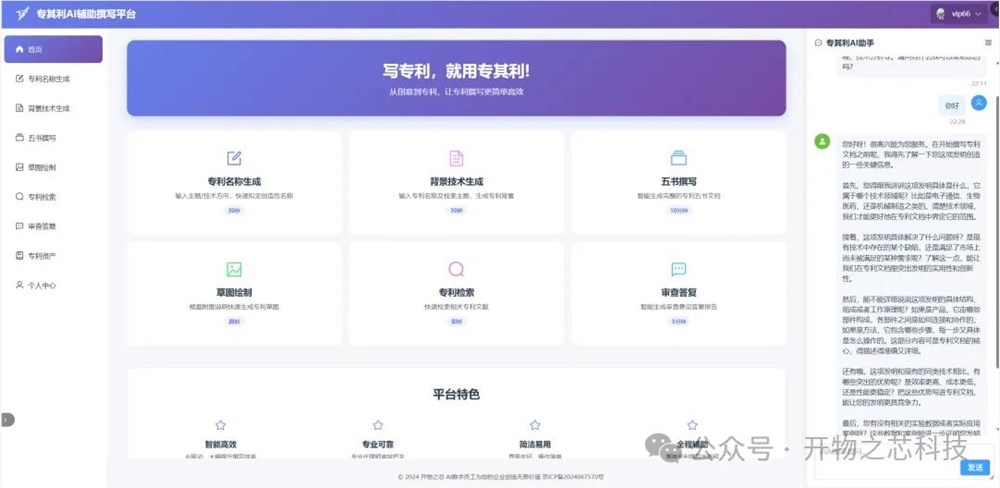
  • Visual Support: Automatically generates diagrams from technical descriptions

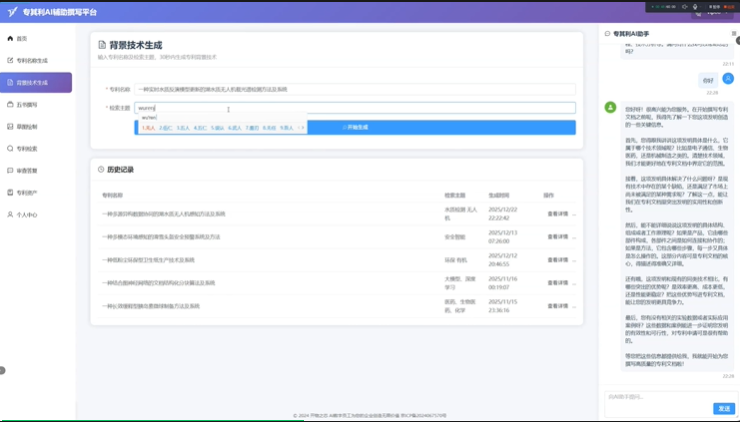
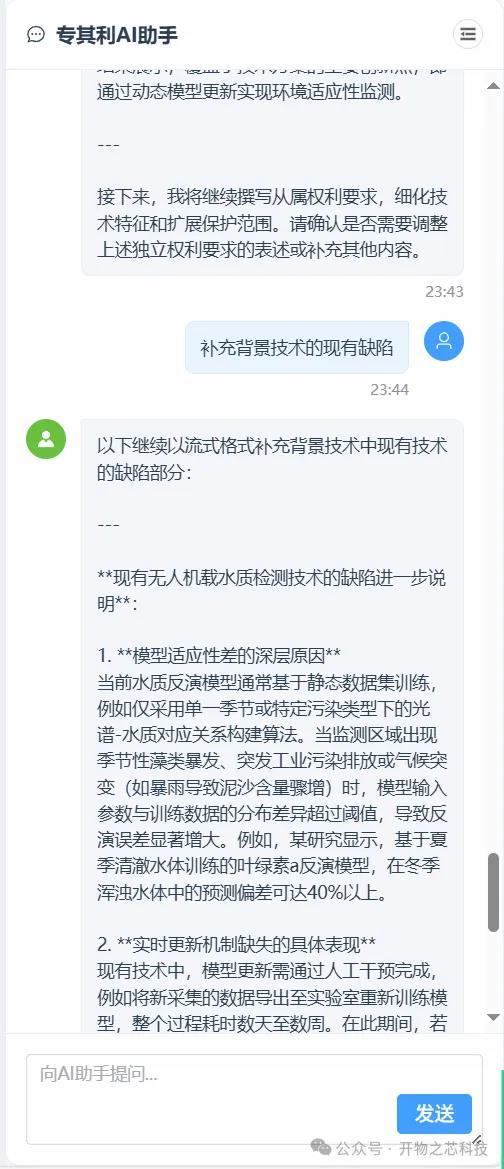
The platform's interface Image shows how users can converse naturally with the AI to refine claims or clarify technical points - a far cry from traditional form-filling approaches.
From Months to Minutes: A New Workflow Emerges

The time savings prove staggering when comparing traditional methods:

Task Traditional Approach Zhuanqili

Image Early adopters range from university tech transfer offices to bootstrapped startups. "What used to take our team two weeks now happens before lunch," shares startup founder Zhang Wei. "More importantly, the quality meets professional standards without $5,000 agency fees."

The system currently supports Chinese patent applications but plans expansion to international filings. Security features include enterprise-grade encryption and optional private deployment for sensitive technologies. Image
Key Points:

  • Speed: Generates complete patent applications 100x faster than manual methods
  • Accessibility: Lowers barriers for individual inventors and small businesses
  • Quality Control: Avoids common AI pitfalls in technical documentation
  • Cost Savings: Dramatically reduces need for expensive legal services
  • Ongoing Development: Expanding support for more patent types and jurisdictions
Enjoyed this article?

Subscribe to our newsletter for the latest AI news, product reviews, and project recommendations delivered to your inbox weekly.

Weekly digestFree foreverUnsubscribe anytime

Related Articles

China Unveils Pioneering AI Model to Predict South China Sea Weather Patterns
News

China Unveils Pioneering AI Model to Predict South China Sea Weather Patterns

Chinese scientists have developed Feiyu-1.0, the world's first bidirectional coupled intelligent model for the South China Sea region. This groundbreaking technology can analyze complex ocean-atmosphere interactions in real-time, significantly improving typhoon forecasting accuracy. Beyond weather prediction, the model generates dynamic ocean knowledge graphs, transforming scientific data into accessible visual information for maritime safety and environmental protection.

February 9, 2026
marine meteorologyAI innovationclimate technology
Meituan's New AI Model Packs Big Performance in Small Package
News

Meituan's New AI Model Packs Big Performance in Small Package

Meituan's LongCat team has unveiled their latest AI innovation - the LongCat-Flash-Lite model. Breaking from traditional approaches, this model uses 'Embedding Expansion' to achieve impressive results with just 2.9-4.5 billion active parameters per inference. Surprisingly efficient yet powerful, it delivers speeds of 500-700 tokens per second while maintaining strong performance across coding, general knowledge, and specialized tasks.

February 6, 2026
AI innovationMachine learningNatural language processing
AI Showdown: Claude's Big Leap, Qwen's Red Envelope Rush & Tencent's Manga Move
News

AI Showdown: Claude's Big Leap, Qwen's Red Envelope Rush & Tencent's Manga Move

Today's AI landscape sees major players making bold moves. Anthropic pushes boundaries with Claude Opus 4.6's massive context window, while Alibaba Qwen battles server crashes amid its wildly popular Spring Festival promotion. Meanwhile, Tencent enters the animated manga arena with Huolong Webtoon, and regulators crack down on AI copycats. From digital employees to automated anime production, these developments showcase AI's rapid evolution across industries.

February 6, 2026
AI innovationtech regulationdigital transformation
News

China Telecom Spearheads AI Revolution Across Industries

China Telecom is leading the charge in implementing AI across diverse sectors, from urban management to industrial production. Partnering with other telecom giants, they've launched a massive computing project to fuel AI development. Government officials highlight how these efforts boost efficiency while driving economic growth through technological innovation.

February 4, 2026
AI innovationdigital transformationChina Telecom
News

Kunlun Tech Brings AI Power Directly to Your Desktop with TianGong Skywork

Kunlun Tech has unveiled its groundbreaking TianGong Skywork Desktop Edition, putting powerful AI capabilities right on your computer. Unlike cloud-dependent alternatives, this innovative software processes everything locally - keeping your data secure while delivering lightning-fast performance. With support for multiple top-tier AI models and hundreds of built-in skills, it's transforming Windows PCs into intelligent digital collaborators.

February 4, 2026
AI innovationdesktop computingdata privacy
News

Carnegie Mellon's AI Conductors Fix 3D Printing Flaws Mid-Creation

Researchers at Carnegie Mellon have created an AI system that spots and fixes 3D printing errors in real time, much like a conductor leading an orchestra. The innovative approach coordinates multiple AI agents to monitor prints, diagnose issues, and adjust settings automatically. Early tests show parts made with this system can handle five times more weight than traditional prints. What makes it special? The system works across different printers without retraining and keeps manufacturers' secrets safe.

February 3, 2026
AI innovation3D printingmanufacturing tech