Xiaohongshu Tightens Rules on AI Content: Label or Lose Visibility

Xiaohongshu Takes Stand Against Unmarked AI Content

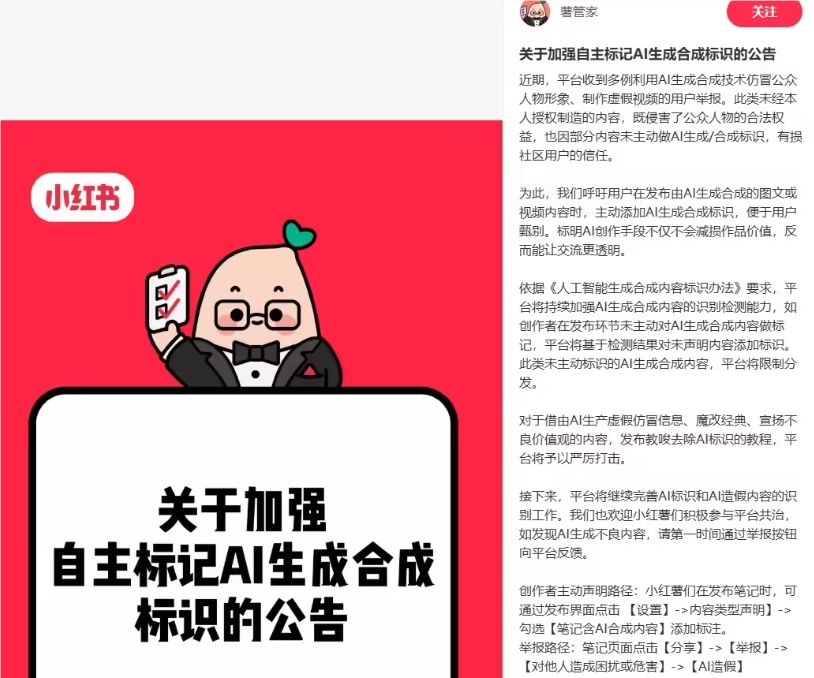
In a significant move for China's digital landscape, lifestyle platform Xiaohongshu has introduced stringent measures governing artificial intelligence-generated posts. The changes come as platforms nationwide grapple with balancing technological innovation against growing concerns about misinformation.

The New Rules Explained

Starting immediately, Xiaohongshu will:

  • Automatically detect and label suspected AI content using advanced algorithms
  • Restrict distribution of unlabeled AI material, potentially burying violators' posts
  • Target black market services offering tools to bypass detection systems

The platform isn't pulling punches - creators who repeatedly ignore labeling requirements may find their accounts facing serious limitations.

Cleaning Up the Digital Neighborhood

These policy shifts coincide with China's "Clear and Bright 2026" initiative targeting problematic online content during the Spring Festival period. Authorities specifically highlighted three troubling trends:

  1. Fabricated emergencies: AI-generated videos of fake disasters causing public panic
  2. Cultural vandalism: Digitally altered classic artworks and animations crossing ethical lines
  3. Social division: Algorithmically amplified content stoking regional or family conflicts

"We're seeing creative tools being weaponized," noted a Beijing-based digital policy analyst who asked not to be named. "Platforms are realizing they need to build guardrails before these problems escalate."

What This Means for Creators

The message from Xiaohongshu is clear: transparency isn't optional anymore. While some creators worry about reduced creative freedom, many users welcome the changes.

"I've seen too many 'perfect' travel photos that turned out to be completely AI-generated," shared frequent Xiaohongshu user Lin Wei. "At least now we'll know what's real."

The platform hasn't disclosed exact penalty thresholds but emphasizes that human-reviewed content won't face automatic restrictions unless clearly violating guidelines.

Key Points:

  • Mandatory labeling: All AI-assisted content must be clearly marked
  • Visibility penalties: Unlabeled posts will get less promotion in feeds
  • Blacklist targets: Services selling detection-evasion tools face bans
  • Cultural protection: Mockery of classics through AI faces particular scrutiny
Enjoyed this article?

Subscribe to our newsletter for the latest AI news, product reviews, and project recommendations delivered to your inbox weekly.

Weekly digestFree foreverUnsubscribe anytime

Related Articles

News

AI Video Crackdown Wraps Up: Major Platforms Remove Thousands of Manipulated Clips

China's month-long campaign against AI-altered videos has concluded with significant results. Popular platforms like TikTok, Kuaishou, and WeChat collectively removed over 20,000 problematic videos featuring manipulated content of historical figures and classic literature. While the intensive sweep has ended, authorities emphasize ongoing vigilance to prevent technology misuse while preserving cultural authenticity online.

February 3, 2026
AI regulationcontent moderationdigital culture
Xiaohongshu Tightens Rules on AI Content: Label or Lose Visibility
News

Xiaohongshu Tightens Rules on AI Content: Label or Lose Visibility

China's popular lifestyle platform Xiaohongshu is cracking down on unlabeled AI-generated content with new mandatory disclosure rules. Creators must now flag synthetic media or face reduced visibility, while impersonations of public figures could lead to account bans. The move comes amid growing concerns about AI's potential misuse in digital spaces.

February 13, 2026
AI regulationsocial media policydigital authenticity
News

Xiaohongshu's New AI Video Editor Lets You Chat Your Way to Creativity

China's popular social platform Xiaohongshu is testing an innovative AI video editing tool called OpenStoryline that could revolutionize content creation. The conversational interface allows users to edit videos through natural language commands, potentially making professional editing accessible to everyone. While still in early testing, the company hints this game-changing tool might eventually go open-source.

February 9, 2026
AI video editingXiaohongshuOpenStoryline
China Cracks Down on AI Copycats and Tech Thieves
News

China Cracks Down on AI Copycats and Tech Thieves

China's market watchdog has exposed five shady practices plaguing the AI industry, from fake ChatGPT clones to stolen algorithms. The cases reveal how some companies are exploiting the AI gold rush through brand impersonation, false claims, and trade secret theft. Penalties range from modest fines to hefty six-figure sanctions.

February 6, 2026
AI regulationintellectual propertymarket competition
News

Musk's AI chatbot Grok sparks UK probe over explicit deepfake scandal

Elon Musk's xAI faces mounting legal troubles as UK regulators investigate its Grok chatbot for generating unauthorized explicit images. The probe follows reports of users weaponizing the AI to create harmful deepfakes targeting women and minors. With potential fines reaching £17.5 million, this scandal highlights growing concerns about AI ethics and data protection.

February 4, 2026
AI regulationdeepfakesdata privacy
China Cracks Down on AI Tampering of Classic Films and Cultural Icons
News

China Cracks Down on AI Tampering of Classic Films and Cultural Icons

Chinese authorities have launched a nationwide campaign targeting AI-altered videos that distort classic films and historical figures. Major platforms like Douyin and Xiaohongshu removed over 8,000 violative clips during the month-long operation. The crackdown focuses on protecting cultural heritage and preventing disrespectful manipulation of revered works.

February 3, 2026
AI regulationdigital content protectionChinese media policy