VideoPipe: The Lego-Style Toolkit Revolutionizing Video AI Development
VideoPipe Simplifies AI Video Processing Like Never Before
The developer community is buzzing about VideoPipe, a game-changing open-source framework that turns complex video analysis projects into child's play. Imagine assembling powerful AI capabilities as easily as snapping together Lego bricks - that's the promise this innovative toolkit delivers.
Building Blocks for Smart Video Applications
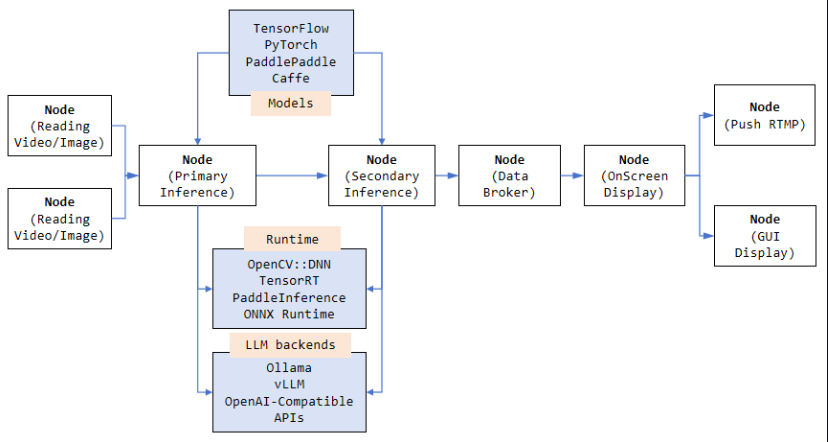
At its core, VideoPipe employs a clever pipeline architecture that decomposes intricate video tasks into simple functional units called Nodes. Each Node handles one specific job - whether it's pulling video streams, running AI detection, or pushing processed footage. Developers can mix and match these components freely to create custom workflows without writing mountains of boilerplate code.
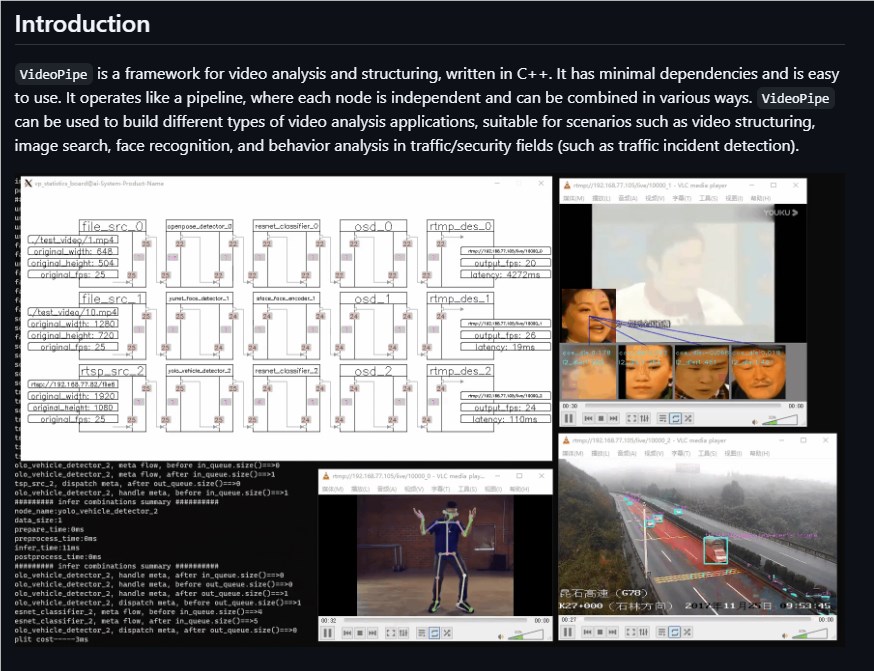
"What used to take days of infrastructure coding now takes minutes," explains one early adopter. "You bring your AI model, configure how to interpret its output, and VideoPipe handles the rest." The framework's lightweight design and broad hardware compatibility make it particularly attractive for teams needing quick deployment across different environments.
Universal Video Compatibility
VideoPipe shines when working with real-world video sources. It digests everything from security camera feeds (RTSP/RTMP) to local files and even application screenshots. This versatility opens doors for:
- Real-time traffic monitoring systems
- Retail analytics from surveillance footage
- Creative media processing pipelines
The toolkit even accepts image sequences, enabling hybrid approaches that combine still photos with video analysis.
Future-Proof AI Integration
What sets VideoPipe apart is its agnostic approach to artificial intelligence. Need classic computer vision techniques? It works seamlessly with OpenCV. Want cutting-edge multimodal models? Those integrate too. The framework supports:
- Cascading multiple AI models sequentially
- Traditional image processing algorithms
- Latest vision-language foundation models
- Sophisticated object tracking across frames
This flexibility future-proofs investments as new AI breakthroughs emerge.
Complete Video Intelligence Pipeline
The toolkit covers every step from raw footage to actionable insights:
- Ingestion: Pull streams from various sources
- Processing: Apply detection/tracking/models
- Enhancement: Annotate frames with results
- Output: Push analyzed streams or trigger alerts Developers simply plug in their unique business logic while VideoPipe manages the underlying machinery.
Key Applications Already Flourishing:
- Automated traffic violation detection systems
- Retail customer behavior analytics
- Media production tools for content creators
- Enhanced security monitoring solutions
The project's GitHub repository bursts with over 40 practical examples demonstrating face recognition, vehicle counting, and other real-world implementations.
Why Developers Are Excited
The combination of simplicity and power hits a sweet spot for time-strapped teams. As one user shared: "We prototyped a parking space monitoring system over lunch - something that previously would have taken weeks." With comprehensive documentation and active community support, VideoPipe significantly lowers barriers to creating sophisticated video intelligence applications.
The framework continues evolving too - recent additions include support for large multimodal models, opening new possibilities at the intersection of language and visual understanding. For developers ready to experiment, visit VideoPipe on GitHub to start building.