US Military Teams Up With OpenAI to Bring AI to the Battlefield

US Military Embraces AI Revolution Through OpenAI Partnership

The Department of Defense is taking a giant leap into the future of warfare through a groundbreaking partnership with OpenAI. In what officials describe as a "transformational" move, the Pentagon will integrate ChatGPT technology across its operations, potentially changing how America's military functions.

A Strategic Tech Upgrade

At the heart of this initiative is GenAI.mil, the Defense Department's enterprise AI platform that's already gained impressive traction. Since its launch just two months ago, over one million military personnel have adopted the system. Originally powered by Google's Gemini technology, the platform now gets supercharged with OpenAI's sophisticated language models.

"This isn't just about better software - it's about giving our warfighters an intellectual edge," explained Defense Secretary Pete Hegseth during the announcement. The integration promises to streamline everything from logistics planning to real-time battlefield analysis.

Why This Matters Now

The military faces mounting pressure to maintain technological superiority against global competitors. By tapping into commercial AI advancements at what Hegseth calls "wartime speed," the Pentagon hopes to stay ahead in what many see as an emerging AI arms race.

Early tests suggest these tools could dramatically reduce decision-making timelines while improving accuracy. Imagine staff officers getting instant analysis of complex scenarios or field commanders accessing synthesized intelligence reports in seconds rather than hours.

Challenges and Considerations

While promising, this partnership raises important questions about security and reliability. Military applications demand fail-safe performance - can commercial AI meet those standards? Officials emphasize rigorous testing protocols but acknowledge ongoing evaluation will be crucial.

The rollout begins immediately across all branches, potentially affecting how 3 million service members and civilian personnel work daily. Training programs are being developed to ensure proper use of these powerful new tools.

Key Points:

  • Historic Collaboration: First major integration of commercial AI into US military systems at scale
  • Platform Power: GenAI.mil already supports over one million users after just two months
  • Operational Impact: Expected to enhance decision-making speed and mission effectiveness
  • Security Focus: Implementation includes robust safeguards for sensitive military applications
Enjoyed this article?

Subscribe to our newsletter for the latest AI news, product reviews, and project recommendations delivered to your inbox weekly.

Weekly digestFree foreverUnsubscribe anytime

Related Articles

News

Panasonic Shakes Up Leadership with New AI-Focused Roles

Panasonic is making bold moves to stay competitive in the tech race by creating two key executive positions: Chief AI Officer and Solution Revenue Officer. Effective April 1, these roles will drive AI integration across operations while boosting profitability through cross-departmental coordination. The restructuring signals Panasonic's serious commitment to leveraging artificial intelligence both internally and for customer solutions.

February 4, 2026
corporate restructuringartificial intelligencebusiness strategy
News

Musk's xAI Unveils Grok Imagine 1.0: Transforming Video Creation

Elon Musk's xAI has launched Grok Imagine 1.0, marking a significant leap in AI video generation. The tool now produces crisp 720p videos up to 10 seconds long with enhanced audio quality, already generating over a billion clips last month. This breakthrough stems partly from xAI's acquisition of video startup Hotshot last year. From individual creators to businesses, Grok Imagine is democratizing professional-quality video production.

February 2, 2026
xAIvideo generationartificial intelligence
News

Rokid Teams Up With AI Leaders For Next-Gen Smart Glasses

Chinese tech firm Rokid is partnering with leading AI companies to develop groundbreaking smart glasses powered by generative AI. The new device will feature edge-side multimodal processing for seamless voice, vision and touch interactions. Currently selling 1,200 units daily, Rokid aims to redefine wearable tech with real-time translation, AR experiences and intelligent personal assistants.

February 2, 2026
wearable techartificial intelligencesmart glasses
Robots Get Smarter: Antlingbot's New AI Helps Machines Think Like Humans
News

Robots Get Smarter: Antlingbot's New AI Helps Machines Think Like Humans

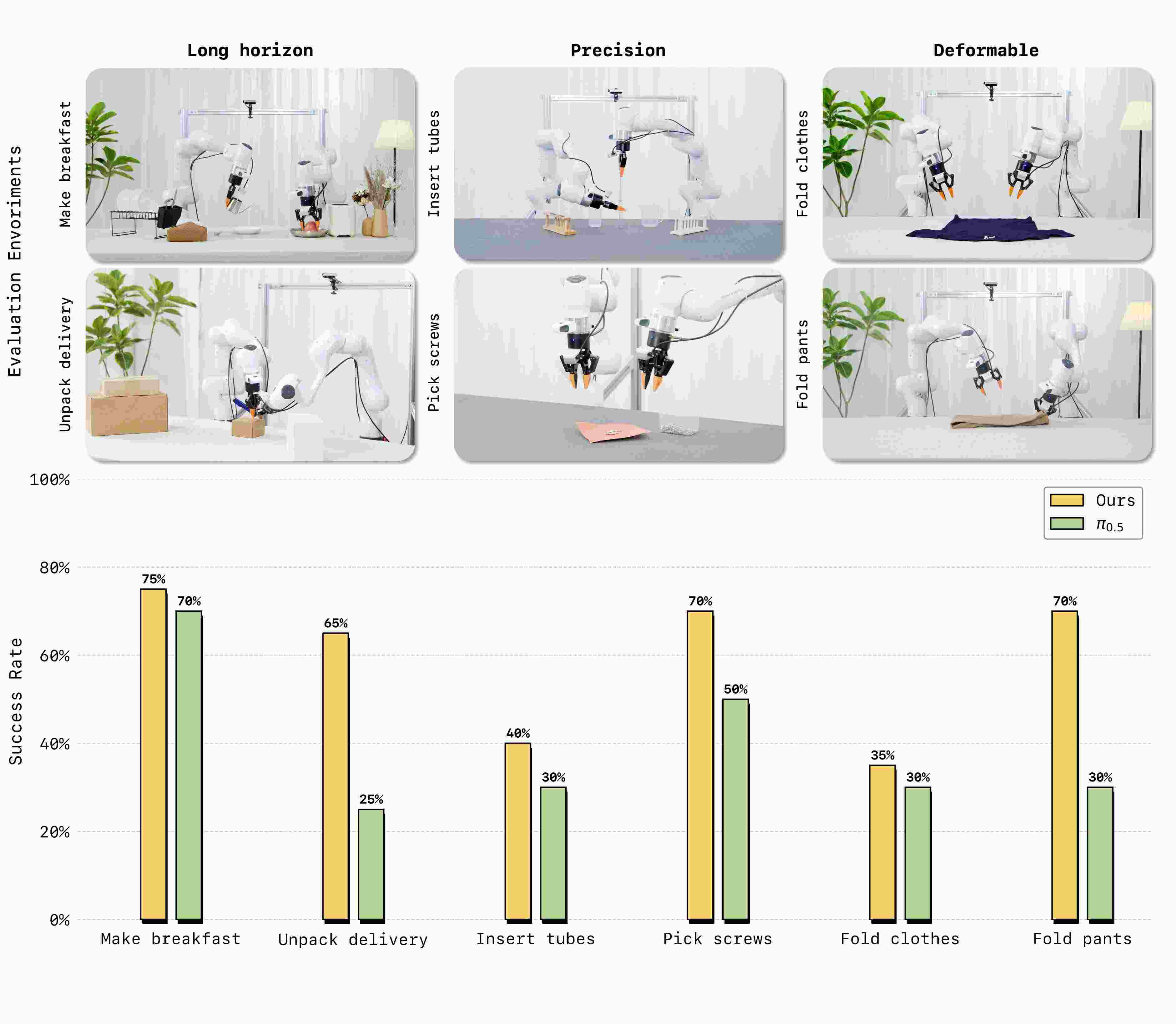
Antlingbot Technology has unveiled LingBot-VA, an open-source AI model that gives robots human-like decision-making abilities. This breakthrough combines video generation with robotic control, allowing machines to simulate actions before executing them. In tests, robots using LingBot-VA showed remarkable adaptability, outperforming existing systems in complex tasks like folding clothes and precise object manipulation. The technology could accelerate development of more capable service robots.

January 30, 2026
roboticsartificial intelligencemachine learning
News

Georgia Tech Researchers Debunk AI Doomsday Scenarios

A new study from Georgia Tech challenges popular fears about artificial intelligence wiping out humanity. Professor Milton Mueller argues that AI's development is shaped by social and political factors, not some inevitable technological destiny. The research highlights how physical limitations, legal frameworks, and the very nature of AI systems make sci-fi takeover scenarios highly improbable. Instead of worrying about robot overlords, we should focus on crafting smart policies to guide AI's development responsibly.

January 27, 2026
AI safetytechnology policyartificial intelligence
Tiny island's .ai domains fuel AI boom and government coffers
News

Tiny island's .ai domains fuel AI boom and government coffers

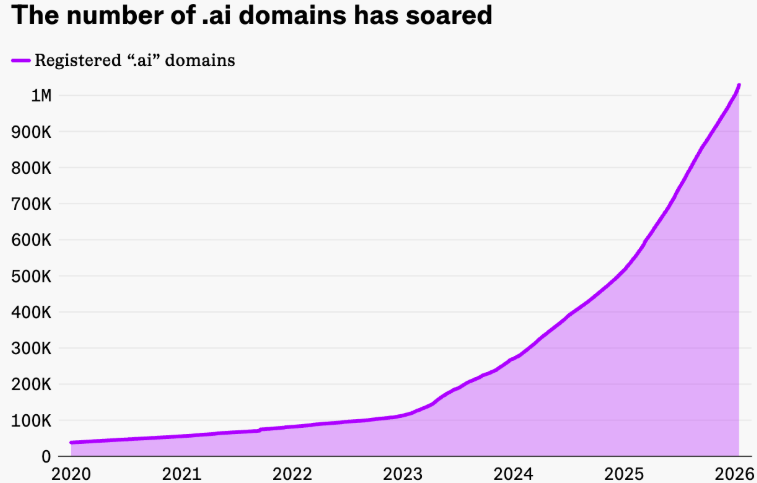
The Caribbean island of Anguilla, home to just 15,000 people, has struck digital gold with its .ai domain. Since the ChatGPT explosion, registrations have surged past 1 million, generating over $70 million annually - enough to cover half the government's budget. What began as a country code has become an unlikely economic lifeline in the AI revolution.

January 26, 2026
artificial intelligencedomain namesCaribbean economy