
TikTok Gives Users More Control Over AI Content

TikTok Hands Users the Reins on AI-Generated Content

Social media giant TikTok just rolled out a feature many users didn't know they needed - direct control over how much artificial intelligence creeps into their daily scrolls. Buried within the app's Topic Management settings, this new toggle lets viewers adjust their exposure to AI-generated clips with simple slider controls.
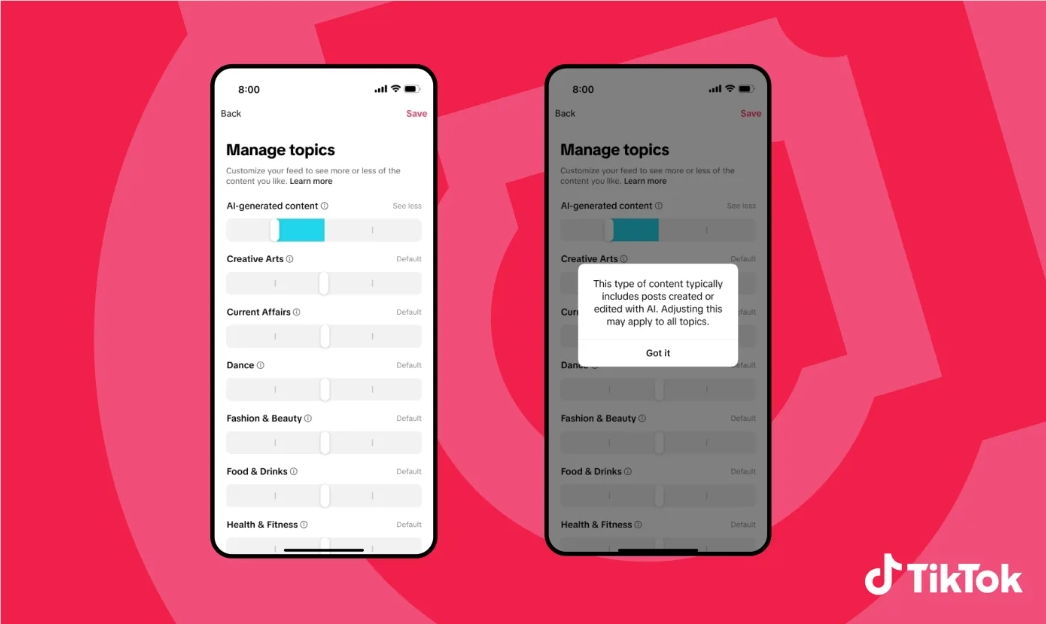
Image

How It Works

The mechanism couldn't be simpler:

  • Navigate to Content Preferences in settings
  • Select Topic Management
  • Slide left for less AI, right for more synthetic content

The platform assures this isn't an all-or-nothing switch. Even at minimum settings, some algorithmically created videos will still appear - TikTok wants to maintain content diversity while respecting user preferences.

Why This Matters Now

2025 has become the year AI video went mainstream. Between Meta's "Vibes" recommendation engine and OpenAI's "Sora" platform flooding feeds with synthetic clips, users increasingly feel like passive recipients rather than active curators of their content diet.

"We're seeing unprecedented volumes of AI-generated material," explains social media analyst Priya Chen. "Platforms that don't offer filtering options risk alienating audiences overwhelmed by synthetic content."

The Fine Print

The update rolls out gradually over coming weeks. Early testers report:

  • Adjustments take effect immediately
  • Doesn't eliminate human creators' content
  • Works alongside existing topic preferences
  • No option yet to completely disable AI suggestions

As algorithms grow more sophisticated, this move represents TikTok betting on transparency - letting users peek behind the curtain rather than hiding how much of their feed comes from silicon rather than carbon-based creators.
Enjoyed this article?

Subscribe to our newsletter for the latest AI news, product reviews, and project recommendations delivered to your inbox weekly.

Weekly digestFree foreverUnsubscribe anytime

Related Articles

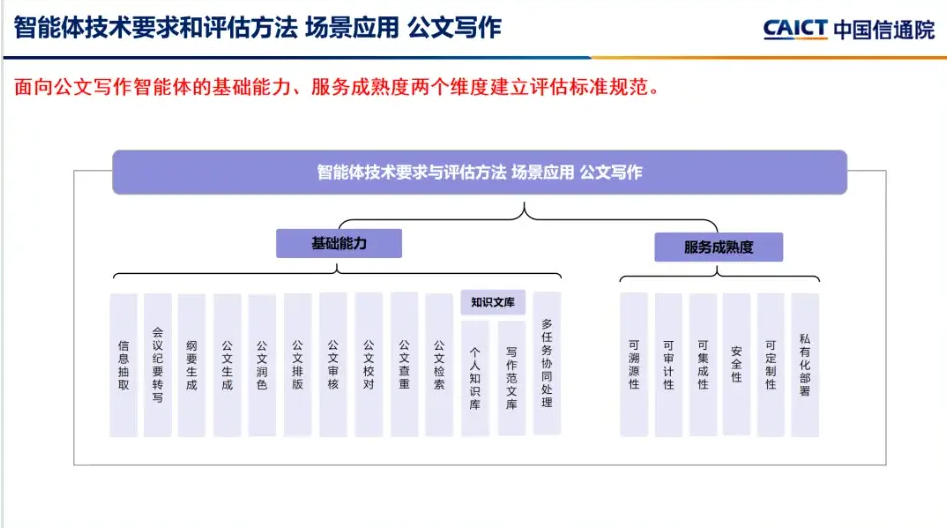
China Sets New Standards for AI-Generated Official Documents
News

China Sets New Standards for AI-Generated Official Documents

As AI writing tools flood government offices, China's tech authority steps in with the nation's first evaluation system for trustworthy document generation. The program, developed with industry leaders like iFLYTEK, establishes rigorous standards covering everything from meeting transcription to final formatting checks. First results expected this June will help organizations navigate an increasingly crowded market of digital writing assistants.

March 31, 2026
AI regulationgovernment technologydocument automation
News

Americans Wary of AI: Survey Reveals Deep Trust Issues

A new survey paints a troubling picture of public perception toward artificial intelligence. Over 75% of Americans express significant concerns about AI, ranging from privacy risks to job displacement. The findings highlight growing skepticism despite rapid technological advances, with many questioning whether current safeguards can keep pace with innovation.

March 31, 2026
AI trust issuestechnology skepticismAI regulation
News

California Defies Trump with Bold AI Regulations

California is pushing ahead with the nation's toughest AI regulations, directly challenging the Trump administration's call for relaxed tech rules. The state aims to protect privacy and prevent algorithmic discrimination, requiring major AI firms to submit detailed compliance reports. This move could spark a wave of similar actions in Democratic states, potentially creating a patchwork of conflicting regulations across the country.

March 31, 2026
AI regulationCalifornia politicsTech policy
News

Wikipedia Draws the Line: No More AI-Generated Content Allowed

Wikipedia has officially banned the use of large language models to create or rewrite articles, marking a decisive shift from its previous ambiguous stance. The new policy, supported by an overwhelming 40-2 vote from the editing community, aims to protect the encyclopedia's accuracy and reliability. While AI can still assist with basic editing suggestions and translations under strict guidelines, any content introducing new facts or viewpoints generated by AI is strictly prohibited. The move reflects growing concerns about AI hallucinations and misinformation undermining Wikipedia's reputation as a trusted knowledge source.

March 27, 2026
Wikipedia policyAI restrictionscontent moderation
News

Google bows to UK publishers, adding opt-out for AI search summaries

In a significant shift, Google has agreed to let websites opt out of its AI-generated search summaries following pressure from UK regulators and publishers. The move addresses concerns that these automated overviews were diverting traffic from content creators. While seen as a win for publishers, questions remain about how the changes will be implemented globally and whether opting out might still impact search rankings.

March 20, 2026
GoogleAI regulationsearch engines
News

Meta's AI Takeover: Human Moderators Out as Algorithms Step In

Meta is making a dramatic shift in how it polices content across Facebook and Instagram. The company announced plans to replace most human content moderators with AI systems, citing both efficiency gains and concerns about the psychological toll on workers. While this move addresses long-standing ethical issues around 'digital trauma,' it raises new questions about job losses and whether algorithms can truly understand nuanced content decisions. The change marks a pivotal moment in social media governance as machines take over what was once human judgment.

March 20, 2026
MetaAI moderationcontent policy