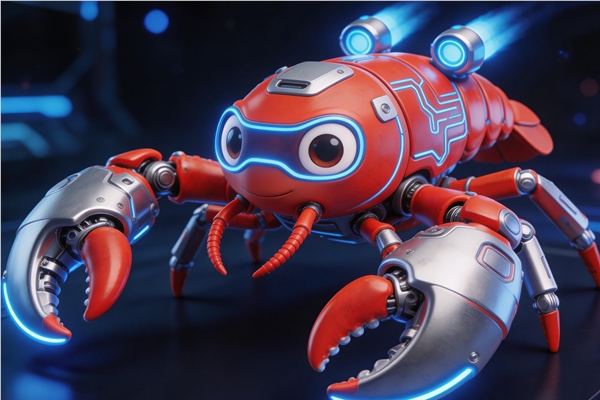
The Rise of AI 'Crabs': Navigating the OpenClaw Agent Landscape

The Crab Invasion: How AI Agents Are Changing Automation

Picture this: an assistant that doesn't just recommend what to do but actually does it for you. That's the promise behind the wave of so-called 'crab' AI agents sweeping through tech circles in 2026. Born from the OpenClaw framework, these digital crustaceans are pinching their way into offices and homes worldwide.

From Chatbots to Doers

Gone are the days when AI merely suggested actions. Today's advanced agents can access system permissions to:

  • Automate document workflows
  • Control computers remotely
  • Integrate deeply with enterprise software ecosystems
Image

The Three Crab Armies

The market has coalesced around three distinct approaches:

1. The Open Source Swarm Led by OpenClaw itself, this developer-friendly camp boasts over 26,000 plugins. It's the choice for tech tinkerers who want maximum customization.

2. Big Tech Ecosystems Tencent's QClaw hooks directly into WeChat, while ByteDance's ArkClaw specializes in handling massive enterprise workloads through Feishu integration.

3. Hardware Homies Huawei and Xiaomi have baked their 'crabs' right into device systems. Xiaomi's version even controls your smart home devices through its MiMo model.

Buyer Beware: Hidden Pincers

The convenience comes with risks:

  • Security: Some open-source versions might expose users to remote code execution vulnerabilities
  • Cost Traps: Complex commands can trigger multiple API calls, leading to unexpected bills (watch out for those 'Token Bombs')

The Ministry of Industry and Information Technology recommends manual verification for critical tasks and hardware-level isolation for sensitive operations.

For those ready to dive in, setting spending limits during trials can prevent nasty billing surprises later.

Key Points:

  • AI agents have evolved from recommenders to executors
  • Three main approaches: open-source, ecosystem-integrated, and hardware-native
  • Security and cost control require careful consideration
  • Start with spending limits when testing pay-as-you-go services

Enjoyed this article?

Subscribe to our newsletter for the latest AI news, product reviews, and project recommendations delivered to your inbox weekly.

Weekly digestFree foreverUnsubscribe anytime

Related Articles

China's AI Models Outperform Global Rivals as OpenClaw Fuels Demand Surge
News

China's AI Models Outperform Global Rivals as OpenClaw Fuels Demand Surge

For the first time, Chinese-developed large language models have consistently outperformed their international counterparts in global usage for an entire month. The latest data reveals domestic models now dominate six of the top nine positions, with OpenClaw emerging as the unexpected market leader. This seismic shift comes as AI agents transform how we interact with technology, creating unprecedented demand for computational power and prompting major price adjustments across China's tech sector.

March 31, 2026
Artificial IntelligenceChinese TechLarge Language Models
News

Alibaba AI Lab Uncovers Critical Flaws in OpenClaw Framework

Alibaba's AI Security Lab recently conducted an in-depth audit of the open-source autonomous agent framework OpenClaw, uncovering 33 security vulnerabilities. Within days of their report, developers patched eight critical flaws including one severity level 1 vulnerability. This swift response highlights growing industry concerns about AI security as autonomous systems become more prevalent.

March 30, 2026
AI SecurityOpenClawCybersecurity
News

How AI is Powering the Rise of One-Person Businesses in China

China's entrepreneurial landscape is witnessing a quiet revolution as AI tools enable solo founders to run entire businesses. Alibaba International's GM Zhang Kuo reveals 30-40% of their clients now operate without employees, relying on AI 'digital workers' for everything from customer service to tax filing. The open-source OpenClaw platform has fueled this trend, while cities compete to attract these lean startups with million-yuan incentive packages.

March 30, 2026
AI entrepreneurshipDigital workforceSolo founders
AI Adoption Divide: How China and the U.S. Approach AI Tools Differently
News

AI Adoption Divide: How China and the U.S. Approach AI Tools Differently

OpenClaw founder Peter Steinberger reveals stark contrasts in AI adoption between China and the U.S. While Chinese companies mandate AI tool usage, some American firms restrict them over security concerns. Steinberger shares insights on workplace impacts and his vision for personal AI agents that could reshape how we work and interact with technology.

March 27, 2026
AI adoptionOpenClawtech policy
News

AI's 'Lobster Craze' Sparks Industry Transformation as Tech Giants Rush In

The AI world is buzzing with excitement over OpenClaw, an open-source framework nicknamed 'lobster' that's revolutionizing how we interact with technology. Major players like Baidu and Tencent are racing to develop their own AI agents, signaling a potential turning point for commercialization. As these digital assistants move into finance and management, experts predict 2026 could be the year when AI investments finally pay off - though challenges around security and usability remain.

March 27, 2026
AI AgentsTech InnovationCommercialization
AntTech's Lobster Defender: A New Shield for AI Security
News

AntTech's Lobster Defender: A New Shield for AI Security

AntTech has unveiled its latest AI security solution, the OpenClaw Lobster Defender, designed to tackle the growing risks in autonomous AI systems. This innovative toolkit offers real-time protection against threats like privilege overreach and data leaks, while also providing enterprises with a free trial program to experience its benefits firsthand. As AI agents become more powerful, tools like Lobster Defender are proving essential for safe adoption.

March 19, 2026
AIsecurityAntTechOpenClaw