AI Adoption Divide: How China and the U.S. Approach AI Tools Differently
The Great AI Divide: When 'Must Use' Meets 'Can't Use'
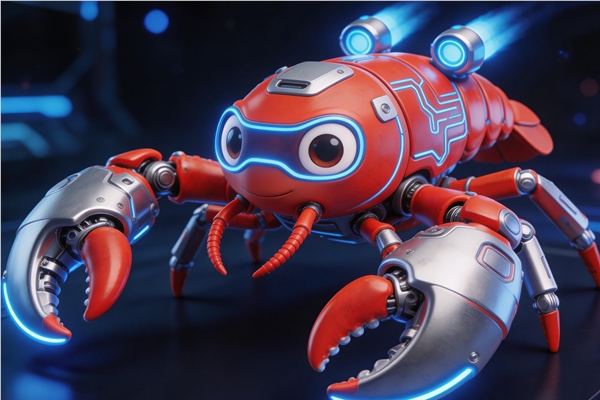
In a revealing Bloomberg interview, Peter Steinberger (affectionately known as "Lobster" in tech circles) painted a striking picture of how differently China and the U.S. are embracing AI tools like his creation, OpenClaw. The founder turned OpenAI executive didn't mince words about what he calls the "AI temperature difference" between the two superpowers.
Workplace Revolution or Resistance?
Imagine showing up to work where your job depends on using AI - or not using it. That's exactly what's happening across these two tech powerhouses. "In China," Steinberger observed, "employees face pressure to adopt AI tools, with some companies making it mandatory training. Meanwhile in Silicon Valley, some firms are slapping bans on these same technologies."
The contrast couldn't be sharper: American workers might get fired for using OpenClaw against policy, while their Chinese counterparts could lose jobs for refusing to use it to boost productivity.
China's Living AI Laboratory
What surprised Steinberger most was seeing everyone from college students to retirees testing OpenClaw across China. "The country has become this incredible real-world testing ground," he noted. This widespread adoption offers valuable lessons about how humans actually interact with AI systems - lessons he believes Western companies would do well to study.
"You can't understand AI's potential or spot its weaknesses just by theorizing," Steinberger argued. "It takes millions of people actually using these tools in their daily lives."
The Future of Personal AI Assistants
Now leading OpenAI's Codex team, Steinberger shared his vision for the next phase of AI development - one where specialized tools evolve into truly intelligent assistants. As these systems grow more capable through self-improvement, the line between programming tools and general-purpose assistants will blur beyond recognition.
Picture this: Your personal AI agent moves seamlessly between your phone, laptop, and work systems while protecting sensitive data. It's not just answering questions anymore - it's becoming a true digital counterpart capable of handling complex real-world tasks.
Key Points:
- Cultural contrast: China mandates AI tool use while some U.S. companies restrict them
- Workplace impact: Adoption (or refusal) of AI tools now affects job security in both countries
- Testing ground: China's widespread use provides real-world data Western companies lack
- Future vision: Personal agents will transcend current limitations to become true digital assistants