Alibaba AI Lab Uncovers Critical Flaws in OpenClaw Framework

Security Flaws Discovered in Popular AI Framework

Alibaba's AI Security Lab has sounded the alarm after discovering multiple vulnerabilities in OpenClaw, a widely-used open-source framework for building autonomous AI agents. The findings come as organizations increasingly rely on such platforms to develop next-generation intelligent systems.

The Discovery Process

The research team spent three days conducting intensive security audits before compiling their report. "We approached this like ethical hackers," explained Dr. Wei Zhang, head of the security lab. "Our goal wasn't just to find flaws, but to help strengthen the entire ecosystem."

Their efforts revealed 33 distinct vulnerabilities across OpenClaw's architecture. What makes these findings particularly concerning is how quickly some could be exploited. "Several of these flaws would allow bad actors to hijack AI decision-making processes," Dr. Zhang noted.

Swift Response from Developers

To their credit, the OpenClaw team moved rapidly to address the most critical issues. Within days of receiving the report, they released version 2026.3.28 containing fixes for:

  • One critical severity level 1 vulnerability
  • Four high-risk flaws
  • Three medium-risk issues

The remaining vulnerabilities are currently being prioritized for future updates.

Why This Matters

As AI systems take on more responsibility in fields like healthcare, finance, and infrastructure, security becomes non-negotiable. "An insecure autonomous agent could make dangerous decisions or leak sensitive data," warned cybersecurity expert Maria Chen, who wasn't involved in the audit but reviewed its findings.

The Alibaba team plans to continue monitoring OpenClaw's security posture. They've also pledged to share their auditing methodology with other open-source projects to help raise security standards across the industry.

Key Points:

  • Alibaba's audit uncovered 33 security vulnerabilities in OpenClaw
  • Eight critical flaws were patched within days of disclosure
  • One vulnerability was classified as severity level 1 (most critical)
  • The findings highlight growing security challenges in autonomous AI systems
  • Researchers will continue monitoring and sharing best practices

Enjoyed this article?

Subscribe to our newsletter for the latest AI news, product reviews, and project recommendations delivered to your inbox weekly.

Weekly digestFree foreverUnsubscribe anytime

Related Articles

News

AI Gateway Firm LiteLLM Cuts Ties Amid Compliance Scandal

Popular AI gateway developer LiteLLM has severed ties with compliance partner Delve following allegations of fraudulent security certifications. The move comes after a credential theft attack exposed vulnerabilities, prompting LiteLLM to seek new certification through competitor Vanta. The scandal highlights growing industry concerns about genuine security versus paper compliance in the AI sector.

March 31, 2026
AI SecurityCompliance ScandalTech Partnerships
China's AI Models Outperform Global Rivals as OpenClaw Fuels Demand Surge
News

China's AI Models Outperform Global Rivals as OpenClaw Fuels Demand Surge

For the first time, Chinese-developed large language models have consistently outperformed their international counterparts in global usage for an entire month. The latest data reveals domestic models now dominate six of the top nine positions, with OpenClaw emerging as the unexpected market leader. This seismic shift comes as AI agents transform how we interact with technology, creating unprecedented demand for computational power and prompting major price adjustments across China's tech sector.

March 31, 2026
Artificial IntelligenceChinese TechLarge Language Models
The Internet's New Normal: AI Now Generates Most Web Traffic
News

The Internet's New Normal: AI Now Generates Most Web Traffic

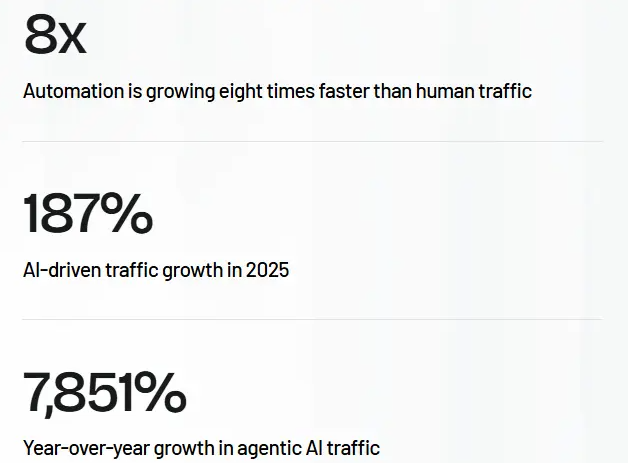
A startling new report reveals AI-generated traffic is growing eight times faster than human activity online. Automated systems now dominate interactions in retail, media, and tourism sectors, while cyber threats surge alongside this robotic takeover. Experts warn we're witnessing the end of the internet's founding assumption - that there's always a human on the other side of the screen.

March 30, 2026
AI trendsCybersecurityDigital transformation
News

How AI is Powering the Rise of One-Person Businesses in China

China's entrepreneurial landscape is witnessing a quiet revolution as AI tools enable solo founders to run entire businesses. Alibaba International's GM Zhang Kuo reveals 30-40% of their clients now operate without employees, relying on AI 'digital workers' for everything from customer service to tax filing. The open-source OpenClaw platform has fueled this trend, while cities compete to attract these lean startups with million-yuan incentive packages.

March 30, 2026
AI entrepreneurshipDigital workforceSolo founders
AI Adoption Divide: How China and the U.S. Approach AI Tools Differently
News

AI Adoption Divide: How China and the U.S. Approach AI Tools Differently

OpenClaw founder Peter Steinberger reveals stark contrasts in AI adoption between China and the U.S. While Chinese companies mandate AI tool usage, some American firms restrict them over security concerns. Steinberger shares insights on workplace impacts and his vision for personal AI agents that could reshape how we work and interact with technology.

March 27, 2026
AI adoptionOpenClawtech policy
Tencent Unveils 'Shrimp Farm' AI Agent Platform with Multi-Model Support
News

Tencent Unveils 'Shrimp Farm' AI Agent Platform with Multi-Model Support

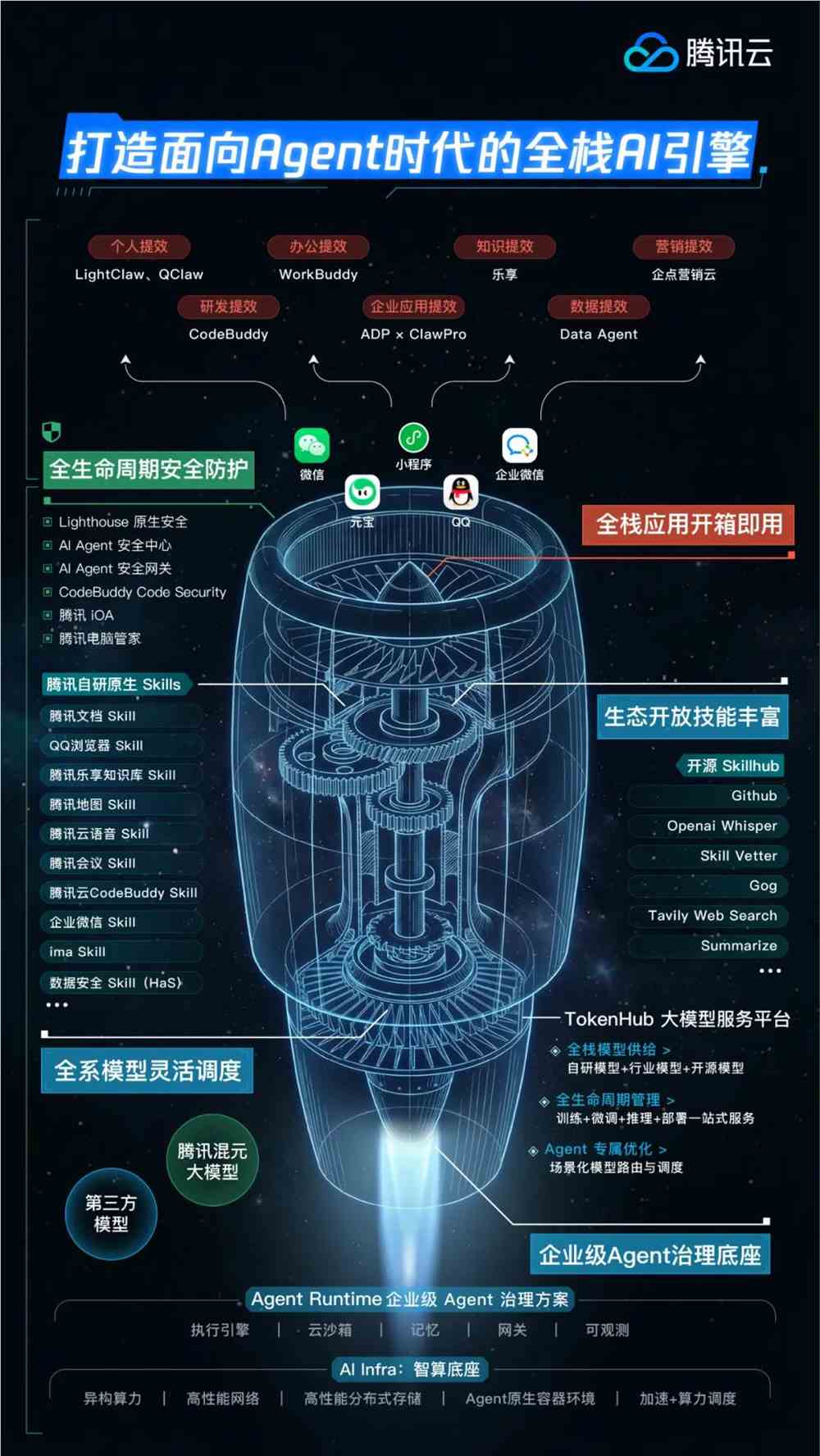
Tencent has pulled back the curtain on its ambitious Agent product ecosystem, playfully nicknamed 'Shrimp Farm'. This comprehensive platform combines Tencent's homegrown Hunyuan model with support for popular alternatives like MiniMax and Kimi. Beyond just chatting, the system integrates deeply with Tencent's productivity tools and WeChat ecosystem, allowing AI assistants to actually complete tasks. Security gets serious attention too, with multiple layers of protection against AI-related risks.

March 27, 2026
TencentAI AgentsEnterprise AI