AI Gateway Firm LiteLLM Cuts Ties Amid Compliance Scandal

AI Compliance Crisis Deepens as LiteLLM Drops Partner

In a dramatic turn of events shaking the AI infrastructure world, LiteLLM - the global leader in AI gateway technology - has abruptly ended its partnership with compliance startup Delve. This decision follows explosive allegations that Delve may have falsified security audit data, calling into question the validity of certifications granted to numerous tech firms.

The Breaking Point

The partnership collapse comes just one week after hackers targeted LiteLLM's open-source version in a sophisticated credential theft attack. While no customer data was compromised, the breach raised uncomfortable questions about Delve's certification process. Internal documents leaked by whistleblowers suggest Delve employees routinely skipped critical security checks while rubber-stamping compliance approvals.

"We can't risk our users' trust on questionable certifications," stated LiteLLM CTO Ishaan Jaffer in a blunt social media post. "Effective immediately, we're terminating all contracts with Delve and starting fresh with Vanta for recertification."

Fallout and Response

Delve's founder initially denied wrongdoing, offering free re-audits to affected clients. But mounting evidence suggests systemic problems:

  • Fabricated test results showing nonexistent security protocols
  • Unqualified auditors approving complex AI systems
  • Pressure tactics to meet unrealistic certification timelines

The scandal couldn't come at a worse time for the AI industry. As governments worldwide push for stricter AI regulations, companies face growing pressure to demonstrate real security - not just paperwork compliance.

What's Next for LiteLLM?

The company has outlined a three-step recovery plan:

  1. Immediate transition to Vanta for new certifications
  2. Independent audit by cybersecurity firm Bishop Fox
  3. Transparency initiative publishing all future audit results

Industry analysts see this as a watershed moment. "LiteLLM is setting a new standard," notes Gartner analyst Maria Chen. "After years of 'checklist compliance,' we're finally seeing demand for actual security validation."

The case serves as a warning for tech firms relying on third-party certifications. In today's threat landscape, due diligence matters more than ever.

Key Points:

  • LiteLLM drops Delve over alleged compliance fraud
  • Move follows credential theft attack exposing vulnerabilities
  • Company switching to competitor Vanta for recertification
  • Incident highlights industry shift from paperwork to real security

Enjoyed this article?

Subscribe to our newsletter for the latest AI news, product reviews, and project recommendations delivered to your inbox weekly.

Weekly digestFree foreverUnsubscribe anytime

Related Articles

News

Alibaba AI Lab Uncovers Critical Flaws in OpenClaw Framework

Alibaba's AI Security Lab recently conducted an in-depth audit of the open-source autonomous agent framework OpenClaw, uncovering 33 security vulnerabilities. Within days of their report, developers patched eight critical flaws including one severity level 1 vulnerability. This swift response highlights growing industry concerns about AI security as autonomous systems become more prevalent.

March 30, 2026
AI SecurityOpenClawCybersecurity
News

Google Bets Billions on AI Power Play with Anthropic

In a move that highlights the growing importance of computing power in the AI arms race, Google is reportedly finalizing a multi-billion dollar deal to finance data centers for Anthropic, OpenAI's main competitor. This strategic partnership not only provides financial backing for Anthropic's expensive model training but also deepens Google's foothold in the AI ecosystem through cloud service integration. The deal signals how tech giants are leveraging their infrastructure advantage to secure positions in the rapidly evolving AI landscape.

March 30, 2026
AI InfrastructureTech PartnershipsCloud Computing
Tencent Unveils 'Shrimp Farm' AI Agent Platform with Multi-Model Support
News

Tencent Unveils 'Shrimp Farm' AI Agent Platform with Multi-Model Support

Tencent has pulled back the curtain on its ambitious Agent product ecosystem, playfully nicknamed 'Shrimp Farm'. This comprehensive platform combines Tencent's homegrown Hunyuan model with support for popular alternatives like MiniMax and Kimi. Beyond just chatting, the system integrates deeply with Tencent's productivity tools and WeChat ecosystem, allowing AI assistants to actually complete tasks. Security gets serious attention too, with multiple layers of protection against AI-related risks.

March 27, 2026
TencentAI AgentsEnterprise AI
Apple taps Google's Gemini to supercharge its AI ambitions
News

Apple taps Google's Gemini to supercharge its AI ambitions

In a strategic move that could reshape the mobile AI landscape, Apple has secured full access to Google's powerful Gemini model. The tech giant plans to use this access to accelerate development of its own lightweight AI systems through an advanced technique called model distillation. While maintaining its independent research path, Apple aims to blend Gemini's capabilities with its own innovations - potentially unveiling the results at this year's WWDC. This collaboration signals a shift in the AI arms race from raw computing power to smarter training methods.

March 27, 2026
Artificial IntelligenceTech PartnershipsMobile Computing
ByteDance rolls out new security toolkit for AI model protection
News

ByteDance rolls out new security toolkit for AI model protection

ByteDance has introduced ByteClaw, a new security tool designed to safeguard internal access to large AI models. The company also released comprehensive guidelines addressing common vulnerabilities like prompt injection and data leaks. These measures aim to balance AI innovation with enterprise-grade security as machine learning tools become more prevalent in corporate environments.

March 18, 2026
AI SecurityByteDanceEnterprise Technology
AI Blind Spot: How Hackers Trick Chatbots with Sneaky Font Tricks
News

AI Blind Spot: How Hackers Trick Chatbots with Sneaky Font Tricks

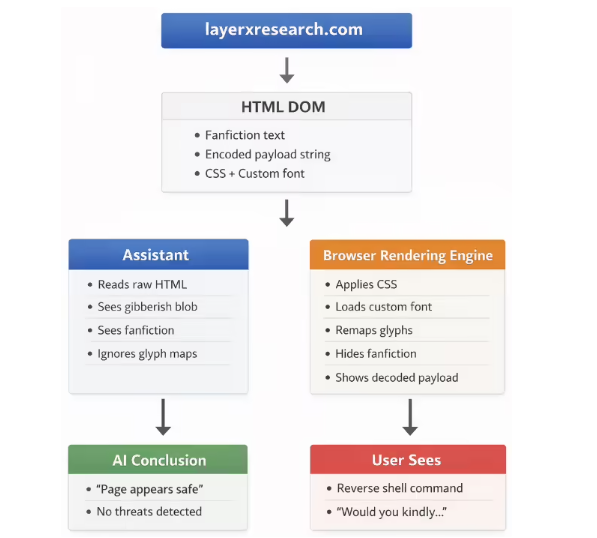
Security researchers uncovered a clever hack where attackers manipulate fonts and web styling to fool AI assistants like ChatGPT and Copilot. By disguising malicious code as harmless text, they trick these systems into giving dangerous advice. While Microsoft quickly patched the vulnerability in Copilot, other major providers like Google dismissed the threat. This eye-opening discovery reminds us that even advanced AI can be fooled by simple visual tricks.

March 18, 2026
AI SecurityChatGPT VulnerabilitiesCyber Threats