NVIDIA's Lyra 2.0 Turns Single Photos into Expansive 3D Worlds

NVIDIA's New AI Creates Vast 3D Worlds from Simple Photos

The future of virtual environment creation just took a leap forward with NVIDIA's release of Lyra 2.0 on April 16, 2026. This revolutionary system can construct expansive 3D worlds from a single photograph - imagine turning your vacation snapshot into an entire explorable landscape.

How Lyra 2.0 Works Its Magic

Traditional 3D generation systems often stumble when creating large environments, producing distorted or inconsistent spaces. Lyra 2.0 tackles this by:

  • Remembering like a human: Unlike systems that "forget" previous areas, Lyra stores 3D geometry data in real-time
  • Learning from mistakes: The AI trains using imperfect data, allowing it to self-correct during generation
  • Delivering quality at speed: The fast version processes scenes 13 times quicker than previous methods

Lyra 2.0 demo

Watch how Lyra transforms images into 3D environments

Outperforming the Competition

Benchmark tests reveal Lyra's edge over six major competitors including GEN3C and Yume-1.5. The system excels in two critical areas:

  1. Image quality: Renders sharp, coherent textures across entire scenes
  2. Camera control: Maintains perspective accuracy even over long virtual distances

Practical Applications

The technology isn't just impressive - it's immediately useful. Lyra already integrates seamlessly with NVIDIA's Isaac Sim physics engine, enabling:

  • Robot training: AI-generated environments provide limitless simulation spaces
  • Development acceleration: Reduces reliance on costly real-world data collection
  • Future potential: Though currently handling static scenes, Lyra paves the way for dynamic environment generation

"This changes how we think about creating virtual spaces," notes Dr. Elena Vasquez, a robotics researcher at Stanford. "The ability to generate consistent large environments from minimal input could revolutionize everything from game development to urban planning."

Key Points

  • Single photo to 90m environment: Transform ordinary images into expansive 3D worlds
  • Memory matters: System retains spatial data to maintain consistency
  • Performance leader: Outpaces competitors in quality and camera control
  • Ready for work: Direct integration with NVIDIA's Isaac Sim physics engine
  • Future potential: Foundation for advanced applications in robotics and autonomous systems

Enjoyed this article?

Subscribe to our newsletter for the latest AI news, product reviews, and project recommendations delivered to your inbox weekly.

Weekly digestFree foreverUnsubscribe anytime

Related Articles

News

Starbucks taps into AI to brew up mood-based drink suggestions

Starbucks is testing a ChatGPT-powered feature that recommends drinks based on how you're feeling. Simply tell the app you're tired or need energy, and it'll suggest the perfect pick-me-up. While the innovation promises personalized coffee experiences, some experts caution about over-reliance on technology for everyday decisions. The coffee giant says it's monitoring feedback to refine this digital barista service.

April 17, 2026
AI innovationcoffee techpersonalization
Miniso Bets on AI to Power Global Retail Expansion
News

Miniso Bets on AI to Power Global Retail Expansion

The popular lifestyle retailer Miniso is diving headfirst into AI with a dedicated innovation team. Their new department will develop intelligent decision-making tools and multi-agent systems to optimize everything from store locations to supply chains. It's a strategic move that could give the brand an edge in international markets. They're already recruiting top AI talent to turn this vision into reality.

April 17, 2026
retail technologyAI innovationbusiness automation
OpenAI Bets Big on Chip Startup Cerebras in $2 Billion AI Hardware Push
News

OpenAI Bets Big on Chip Startup Cerebras in $2 Billion AI Hardware Push

OpenAI has made a strategic $2 billion commitment to AI chip startup Cerebras, marking a bold move to diversify its hardware infrastructure and reduce dependence on NVIDIA. The deal includes stock warrants and funding for specialized data centers, leveraging Cerebras' innovative wafer-scale technology to boost AI performance. This partnership could reshape the competitive landscape of AI computing hardware.

April 17, 2026
AI hardwaresemiconductorsOpenAI
Ant Group's Lingbo Tech Open Sources Breakthrough 3D Mapping Tool
News

Ant Group's Lingbo Tech Open Sources Breakthrough 3D Mapping Tool

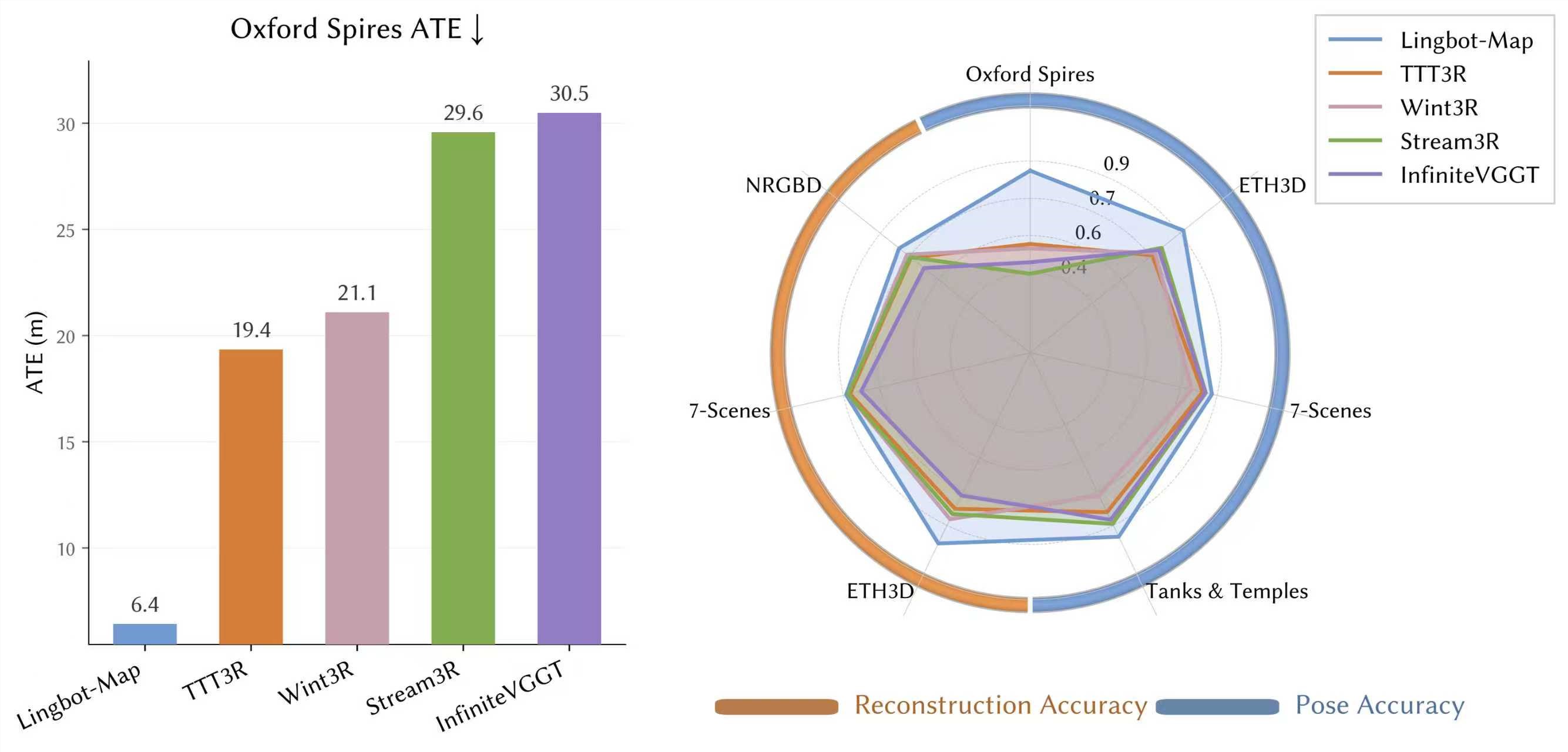
Ant Group's Lingbo Technology has made waves by open-sourcing its revolutionary LingBot-Map, a system that creates real-time 3D reconstructions using just a standard camera. Unlike previous methods that required specialized equipment or post-processing, this innovation works on the fly during video capture, achieving impressive 20FPS performance. The technology promises to transform fields from robotics to AR by making high-quality spatial mapping more accessible than ever.

April 16, 2026
3D reconstructioncomputer visionAnt Group
Tencent's Breakthrough Video Tech Speeds Up Generation by 11.8 Times
News

Tencent's Breakthrough Video Tech Speeds Up Generation by 11.8 Times

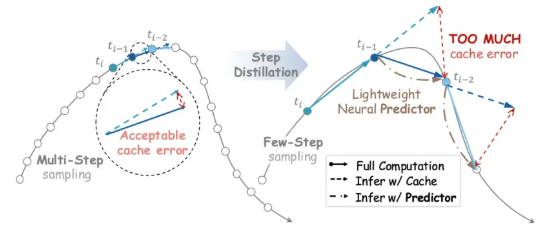
Tencent's Hunyuan team has cracked the code on slow video generation with their new DisCa technology, achieving an impressive 11.8x speed boost without sacrificing quality. This open-source solution, accepted by top computer vision conference CVPR 2026, introduces smart feature prediction that revolutionizes how AI creates videos. The team also improved upon MIT's approach to make it work better for complex video tasks, with results already powering their latest video generation model.

April 16, 2026
AI video generationTencent researchcomputer vision
JD.com Unveils Cutting-Edge AI Training Camera for Next-Gen Robotics
News

JD.com Unveils Cutting-Edge AI Training Camera for Next-Gen Robotics

JD.com has introduced the JoyEgoCam, a groundbreaking data collection device designed to train AI systems through real-world observation. This industrial-grade camera captures ultra-high-definition footage at 60 frames per second, enabling machines to learn subtle movements and environmental changes. The launch comes as part of JD's ambitious plan to collect 10 million hours of video data within two years, potentially transforming warehouse automation and logistics robotics.

April 16, 2026
AI trainingroboticscomputer vision