NVIDIA's Huang pushes AI-first culture amid workforce expansion
NVIDIA Doubles Down on AI Integration Across Operations
At a recent company-wide meeting, NVIDIA CEO Jensen Huang made his priorities crystal clear: artificial intelligence shouldn't just assist workers - it should transform how they work. Fresh off announcing record $5.7 billion quarterly revenue, Huang delivered a passionate call for employees to automate every feasible task using AI tools.
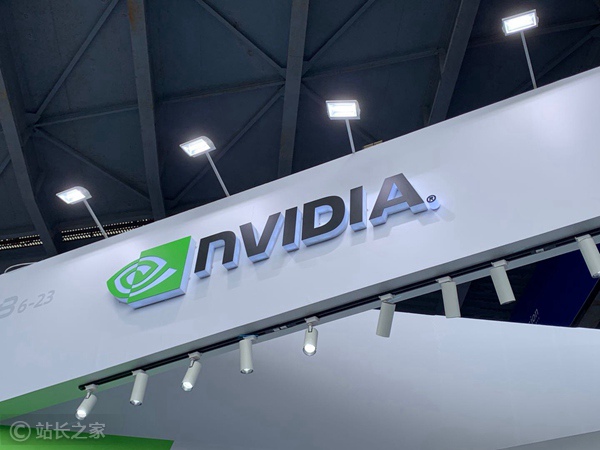
"I want every task that can be completed by AI to be automated," Huang told staffers gathered at the Santa Clara headquarters and tuning in remotely. His directive received enthusiastic applause from engineers already experimenting with NVIDIA's own AI-assisted coding platform Cursor.
Challenging Management Resistance
The typically charismatic CEO didn't mince words when addressing managers reluctant to embrace AI adoption. "Are you crazy?" Huang asked pointedly during the Q&A session. He framed AI integration not as optional experimentation but as essential infrastructure - comparing it to adopting email or cloud computing decades earlier.
Industry analysts see NVIDIA's aggressive push as both practical and symbolic. "They're eating their own dog food," said TechInsight principal analyst Wayne Lam. "After selling billions in AI chips, they need to demonstrate transformative internal use cases."
Workforce Expansion Continues
Addressing employee concerns about automation-related job losses head-on, Huang highlighted NVIDIA's ongoing hiring spree. The company has grown from 29,600 employees at fiscal year-end 2024 to 36,000 currently - with approximately 10,000 positions still open worldwide.
The CEO revealed expansion plans for facilities in Taipei, Shanghai and multiple U.S. locations during his remarks. "You'll have jobs to do," Huang assured staffers smilingly.
Industry-Wide Shift Toward AI Adoption
NVIDIA joins tech peers like Microsoft and Meta in formally incorporating AI usage into performance metrics. Google now requires engineering teams to integrate generative AI into coding workflows, while Amazon considers adopting Cursor internally.
The moves signal an industry inflection point where artificial intelligence transitions from experimental tool to operational necessity across corporate America.
Key Points:
- AI-first mandate: Huang directs employees to automate all feasible tasks using artificial intelligence
- Management accountability: CEO challenges leaders resisting adoption of productivity tools
- Growth continues: Hiring expands despite automation push with 10K open positions
- Facility expansion: New sites planned globally including Taipei and Shanghai