NVIDIA CEO Signals Final Major Investment in OpenAI

NVIDIA Draws Line Under OpenAI Investments

At the Morgan Stanley Technology Conference this week, NVIDIA CEO Jensen Huang made waves with his frank assessment of the company's investment strategy regarding OpenAI. "Our $3 billion commitment to OpenAI is probably our last major investment there," Huang stated matter-of-factly.

The announcement comes as OpenAI accelerates plans for its anticipated initial public offering (IPO), currently slated for late 2026. Huang explained that this corporate milestone would fundamentally alter how NVIDIA and OpenAI structure their financial and technological partnerships moving forward.

Computing Power Takes Center Stage

The existing $3 billion investment isn't just about money changing hands. As part of the deal, OpenAI gains privileged access to NVIDIA's most advanced hardware:

  • 3 gigawatts of inference computing capacity
  • 2 gigawatts dedicated to training operations
  • Priority deployment on NVIDIA's next-generation Vera Rubin system

"We're building the foundation for their future models," Huang noted during his presentation.

Industry Shifts Drive Strategy Changes

Analysts see NVIDIA's move as part of broader industry realignment. The AI sector has matured from its early days of model development into what experts call "the inference era" - where deploying models at scale becomes paramount.

In response, NVIDIA is reportedly developing specialized chips optimized specifically for inference workloads. Sources suggest OpenAI will be among the first major customers for these new processors when they launch.

Diversification Becomes Key Theme

Despite their close partnership with NVIDIA, insiders confirm OpenAI isn't putting all its eggs in one basket:

  • Heavy adoption of Amazon's inference-optimized chips continues
  • Google's TPU technology remains in use across several projects
  • Multiple prototype systems testing alternative architectures are underway

This multi-vendor approach reflects growing concerns about supply chain resilience in an increasingly competitive AI hardware market.

The relationship between AI pioneers and chip manufacturers appears to be entering a new phase - one marked by both deep interdependence and healthy competition.

Key Points:

  • Investment freeze: NVIDIA confirms no additional major funding planned for OpenAI post-$3B commitment
  • Computing muscle: Deal includes exclusive access to 5GW total capacity on Vera Rubin platform
  • Supplier diversification: While maintaining NVIDIA ties, OpenAI actively expands chip partnerships
  • Market evolution: Shift from training-focused to inference-optimized hardware signals industry maturation
Enjoyed this article?

Subscribe to our newsletter for the latest AI news, product reviews, and project recommendations delivered to your inbox weekly.

Weekly digestFree foreverUnsubscribe anytime

Related Articles

ChatGPT learns your writing style - upload samples and let AI mimic you
News

ChatGPT learns your writing style - upload samples and let AI mimic you

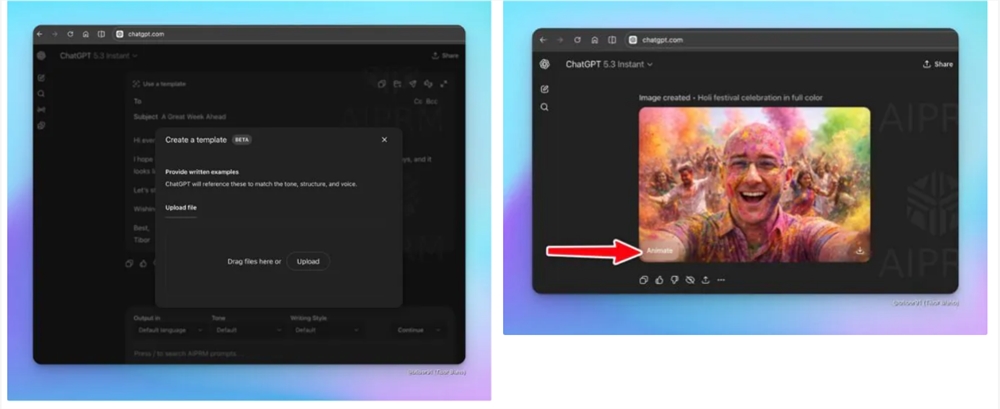
OpenAI is testing groundbreaking updates to ChatGPT that let the AI clone your personal writing style. Users can upload emails, articles or documents as training samples, allowing ChatGPT to mirror individual tone and phrasing. Beyond text, leaked features show animation tools converting images to video and specialized email drafting modes. These upgrades mark a shift from generic AI responses toward highly personalized digital assistants.

March 5, 2026
ChatGPTAIwritingProductivityTools
OpenAI Brings Codex AI Assistant to Windows, Attracts 1.6 Million Developers
News

OpenAI Brings Codex AI Assistant to Windows, Attracts 1.6 Million Developers

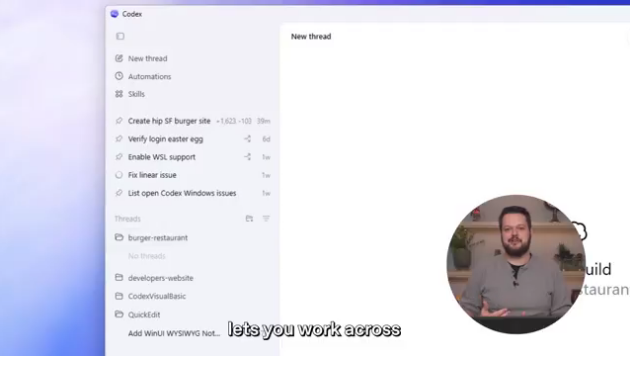
OpenAI has expanded its AI-powered coding assistant Codex to Windows, following the Mac version's explosive debut. The tool transforms developer workflows with multi-agent processing and automated task delegation. Already embraced by over 1.6 million users, Codex now features native Windows integration through a secure sandbox environment, eliminating the need for virtual machines.

March 5, 2026
AI-developmentOpenAIcoding-tools
OpenAI Gears Up for Blockbuster IPO with $730 Billion Valuation
News

OpenAI Gears Up for Blockbuster IPO with $730 Billion Valuation

OpenAI has taken a major step toward going public by hiring top law firms Cooley and Wachtell Lipton Rosen & Katz to prepare for its IPO, potentially as early as this year. The ChatGPT maker could achieve a staggering $730 billion valuation, which would rank among the largest public offerings in history. This move signals OpenAI's transition from a private, capital-backed company to a publicly traded enterprise, giving everyday investors their first chance to own a piece of the AI revolution.

March 5, 2026
OpenAIIPOArtificialIntelligence
News

ChatGPT Faces User Exodus After Pentagon Deal

OpenAI's new partnership with the U.S. Department of Defense has sparked widespread backlash, with ChatGPT's uninstall rate skyrocketing nearly 300% overnight. Users flooded app stores with one-star reviews protesting military AI use, while competitor Anthropic saw unexpected gains by taking an ethical stance.

March 4, 2026
OpenAIAI EthicsMilitary Tech
OpenAI's Stealth Move: Building a GitHub Rival That Could Shake Up Coding
News

OpenAI's Stealth Move: Building a GitHub Rival That Could Shake Up Coding

OpenAI is quietly developing its own code hosting platform, potentially setting up a clash with Microsoft-owned GitHub. The project, still in early stages, stems from frustration with GitHub's reliability issues. What makes this intriguing? Microsoft is OpenAI's biggest investor, turning this into a delicate dance between partners and competitors. The new platform could integrate AI coding tools like Codex, offering smarter automation than traditional repositories.

March 4, 2026
OpenAIGitHubMicrosoft
News

Investor's Tweet Backfires as Suno Faces Copyright Heat

Suno, the AI music platform, faces mounting legal troubles after its lead investor made comments undermining the company's copyright defense. C.C. Gong of Menlo Ventures admitted switching from Spotify to Suno, contradicting claims that AI music doesn't compete with human creators. The deleted tweet has become ammunition for rights holders arguing Suno harms original artists' market value.

March 4, 2026
AI MusicCopyright LawTech Investment