OpenAI's Stealth Move: Building a GitHub Rival That Could Shake Up Coding
OpenAI's Secret Weapon Against GitHub
In a move that could redefine how developers work with AI, OpenAI is reportedly building its own code hosting platform - putting it on a collision course with Microsoft's GitHub. This development marks an intriguing twist in the tech world's most watched partnership.
Why OpenAI Wants Its Own Playground
The decision didn't come out of nowhere. OpenAI engineers have apparently grown tired of GitHub's recent reliability struggles. Multiple outages and connection drops have slowed down internal development work, pushing the AI pioneer to consider bringing code hosting in-house.
"When you're working on cutting-edge AI systems, downtime isn't just inconvenient - it breaks your flow," explains a developer familiar with the situation. "OpenAI needs rock-solid infrastructure that matches its ambitions."
More Than Just Storage
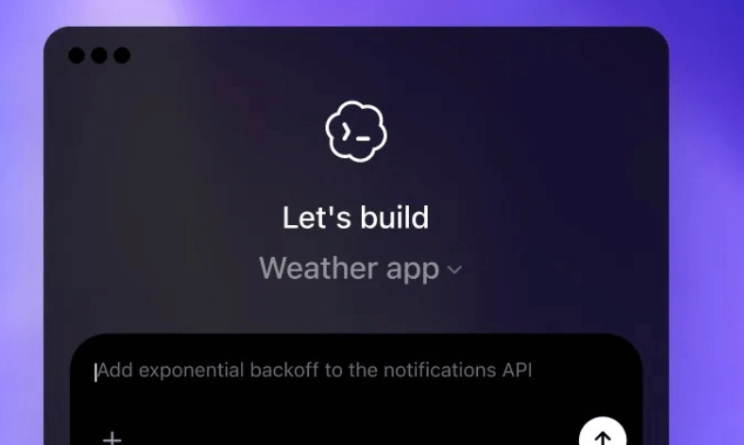
This isn't just about creating another code repository. Early discussions suggest the platform could integrate deeply with OpenAI's Codex system, potentially offering:
- Real-time AI-assisted debugging
- Automated code optimization suggestions
- Seamless collaboration tools powered by natural language processing
Imagine describing a bug in plain English and having the system not only find it but suggest fixes. That's the kind of next-gen experience OpenAI might be aiming for.
The Microsoft Paradox
Here's where it gets complicated. Microsoft owns GitHub and holds a massive stake in OpenAI. If this platform launches publicly, we'd see an unprecedented scenario: a major investor competing directly with its own portfolio company.
Tech analysts are watching closely. "This shows how quickly alliances can shift in AI," notes Sarah Chen of TechInsight Partners. "Yesterday's strategic partner becomes tomorrow's competitor when the stakes are this high."
What This Means for Developers
The potential benefits for coders are significant:
- Fewer outages: A dedicated platform could mean more reliable service for AI projects
- Tighter integration: Built-in AI tools might streamline development workflows
- New possibilities: Unique features could emerge from having AI experts design a coding environment
The big question remains: Will OpenAI keep this tool internal or open it to all developers? That decision could reshape the competitive landscape for coding platforms.
Key Points:
- Silent build-up: OpenAI working on alternative to GitHub after service frustrations
- AI advantage: New platform likely to feature deep Codex integration
- Awkward timing: Puts pressure on relationship with key investor Microsoft
- Developer impact: Could bring more reliable, AI-native coding environment