Microsoft Sounds Alarm on OpenClaw AI Security Risks

Microsoft Flags Critical Security Flaws in OpenClaw AI Assistant

In a sobering security advisory, Microsoft has warned organizations against using its OpenClaw artificial intelligence assistant on regular workstations. The tech giant insists the powerful automation tool belongs strictly in isolated environments due to alarming vulnerabilities that could give attackers free reign over corporate systems.

Why OpenClaw Poses Unique Risks

Unlike conventional software, OpenClaw operates as an autonomous agent that requires complete system access - including email, files, and login credentials - to perform its tasks. This "all-access pass" approach makes it particularly dangerous when deployed improperly.

"Think of OpenClaw as handing your house keys to a supercharged but naive assistant," explains cybersecurity expert Mark Reynolds (not affiliated with Microsoft). "It can accomplish amazing things, but doesn't always recognize when it's being tricked."

Image

Two Major Threat Vectors Emerge

The Microsoft Defender team highlights two primary attack methods putting enterprises at risk:

1. Hidden Commands in Plain Sight Attackers can embed malicious instructions within seemingly harmless content that OpenClaw processes. Once ingested, these "indirect prompt injections" can persistently alter the AI's behavior without triggering security alerts.

2. Trojan Horse 'Skills' The AI's ability to download and run new capabilities creates another weak spot. Hackers can disguise malware as legitimate skill modules, effectively turning OpenClaw into an unwitting accomplice for data theft or system takeovers.

The scale of exposure is staggering: SecurityScorecard's STRIKE team found vulnerable OpenClaw instances on over 42,000 IP addresses across 82 countries - each potentially serving as an entry point for attackers.

Microsoft's Isolation Mandate

The company now urges organizations to:

  • Test OpenClaw exclusively in dedicated virtual machines or physical systems
  • Use limited-access credentials unrelated to core business functions
  • Implement continuous monitoring with regular environment resets
  • Never deploy directly in production systems handling sensitive data

The warning comes as businesses increasingly adopt autonomous AI tools without fully understanding their security implications. While these agents promise efficiency gains, their power demands equally robust safeguards.

Key Points:

  • OpenClaw requires complete system access, making standard deployments risky
  • Indirect prompt injections can persistently compromise the AI's behavior
  • Skill downloads create malware opportunities, bypassing traditional defenses
  • 50,000+ vulnerable instances discovered globally
  • Strict isolation protocols recommended for any deployment
Enjoyed this article?

Subscribe to our newsletter for the latest AI news, product reviews, and project recommendations delivered to your inbox weekly.

Weekly digestFree foreverUnsubscribe anytime

Related Articles

Google's AI Crackdown Leaves Email Automation Users in the Cold
News

Google's AI Crackdown Leaves Email Automation Users in the Cold

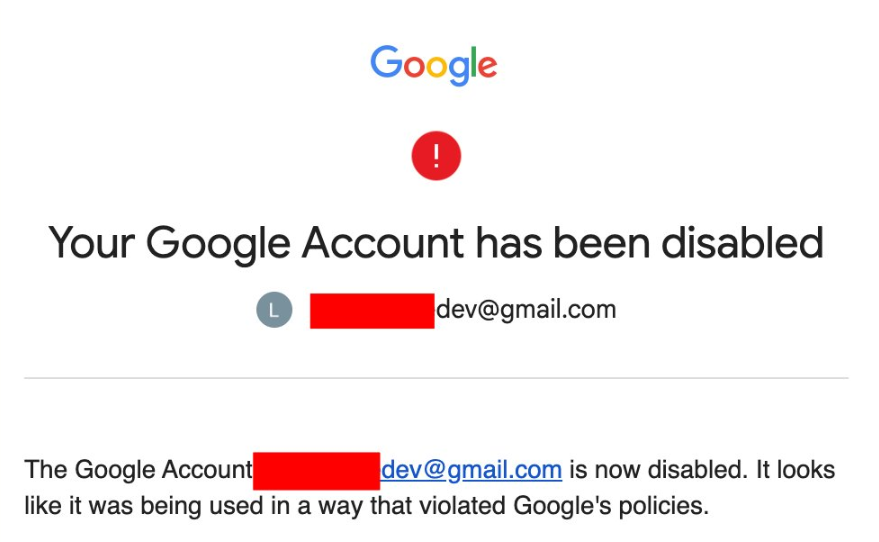
Google has escalated its battle against AI-powered email automation, with users of tools like OpenClaw reporting complete account suspensions. The tech giant isn't just restricting access to Gmail - entire Google accounts are being wiped out, taking years of stored data with them. Security experts warn that AI agents' unnatural behavior patterns and some users' attempts to bypass paid features have crossed Google's red lines. While developers scramble for solutions, affected users face the harsh reality of permanently lost emails, photos, and documents.

February 25, 2026
GoogleEmail AutomationAI Security
News

China's AI Boom: Enterprises Consume 3.7 Trillion Tokens Daily as Alibaba Cloud Leads

China's enterprise AI adoption has skyrocketed, with daily usage hitting 3.7 trillion tokens—a staggering 263% increase in just six months. Alibaba Cloud's Qwen emerges as the clear market leader, nearly doubling its share to dominate nearly a third of China's booming GenAI market. Industry experts see this explosive growth signaling a shift from technical benchmarks to real-world business applications.

February 24, 2026
Artificial IntelligenceEnterprise TechnologyCloud Computing
Anthropic's Claude Code Security: A Game-Changer for Developers Fighting Cyber Threats
News

Anthropic's Claude Code Security: A Game-Changer for Developers Fighting Cyber Threats

Anthropic has unveiled Claude Code Security, an AI-powered tool that's shaking up cybersecurity. Unlike traditional scanners, it thinks like a seasoned security engineer, spotting complex vulnerabilities others miss. Currently in limited preview for enterprises, this tool could redefine how developers protect their code.

February 23, 2026
CybersecurityAI ToolsDeveloper Tools
Google Gemini Hit by Massive AI Model Hack Attempt
News

Google Gemini Hit by Massive AI Model Hack Attempt

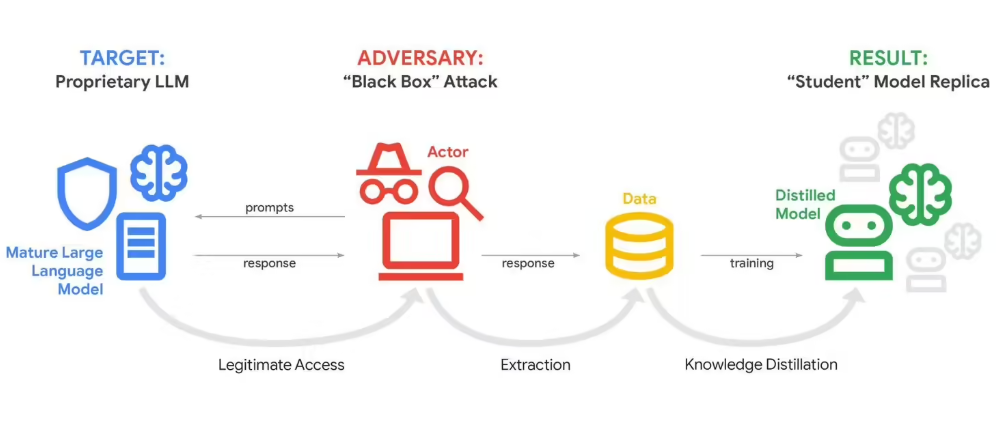
Google revealed its Gemini AI chatbot suffered a sophisticated attack where hackers bombarded it with over 100,000 prompts to extract its core algorithms. Security experts warn this 'model distillation' technique could become widespread, threatening corporate AI secrets. The incident highlights growing vulnerabilities as businesses increasingly rely on customized AI systems.

February 15, 2026
AI SecurityGoogle GeminiCyber Threats
OpenAI Bolsters ChatGPT Security Against Sneaky Prompt Attacks
News

OpenAI Bolsters ChatGPT Security Against Sneaky Prompt Attacks

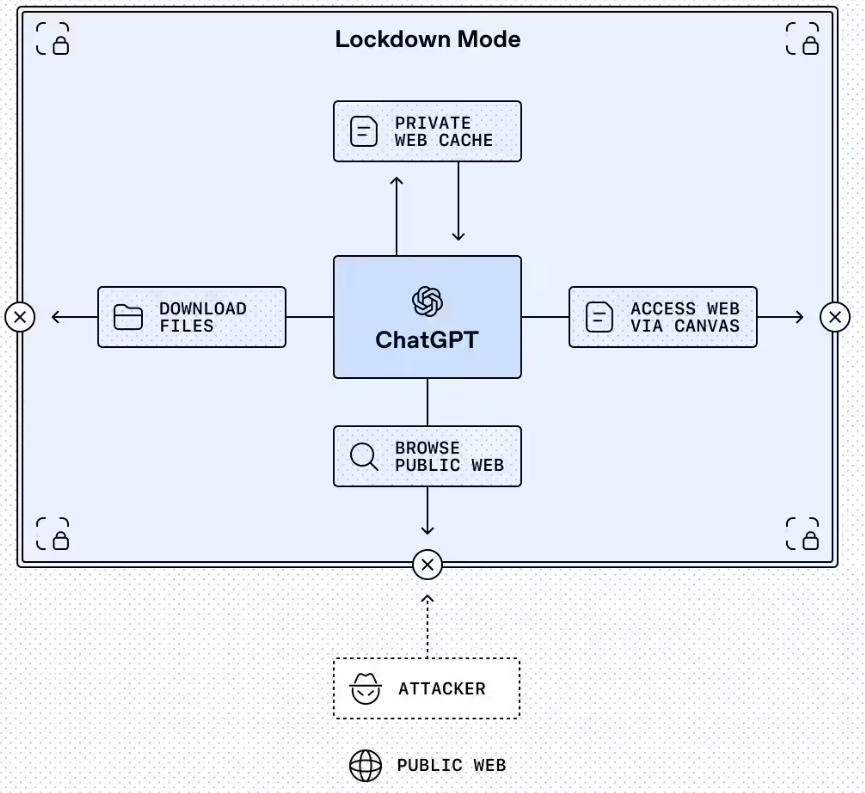
OpenAI has rolled out two new security features for ChatGPT to combat prompt injection attacks that could trick the AI into harmful actions. The first introduces Lockdown Mode, restricting risky external interactions for enterprise users. The second labels high-risk functions with clear warnings. These additions build on existing protections while giving users more control over security trade-offs.

February 14, 2026
AI SecurityChatGPT UpdatesPrompt Injection
News

Claude Plugins Expose Critical Security Flaw Through Calendar Invites

A newly discovered vulnerability in Claude's desktop extensions allows hackers to execute malicious code remotely through seemingly innocent Google Calendar invites. Security researchers warn this 'zero-click' attack could have devastating consequences, scoring a perfect 10/10 on the CVSS risk scale. While Anthropic shifts responsibility to users, experts argue the plugin system fails basic security expectations.

February 11, 2026
AI SecurityClaude VulnerabilitiesZero-Click Attacks