
Microsoft's Copilot+ Laptops Outpace M4 MacBook Air in Performance Tests

Microsoft Challenges Apple with Faster Copilot+ Laptops

In a direct challenge to Apple's silicon dominance, Microsoft claims its premium Copilot+ laptops now outperform the M4-powered MacBook Air in crucial benchmarks. Recent internal documents reveal surprising performance gaps that could reshape the laptop market.

Performance That Turns Heads

The tech giant cites June-September 2025 benchmark data showing its flagship device beating Apple's offering in Cinebench 2024 multi-core tests. What makes these results remarkable? The same tests show Microsoft's newest machine running five times faster than Windows devices from just five years ago.

"We're seeing hardware and AI integration reach new heights," suggests one Microsoft engineer familiar with the testing. The numbers appear to back this up - especially when it comes to artificial intelligence workloads.

AI Gets a Major Boost

Microsoft highlights dramatic improvements in AI processing:

  • Neural Processing Unit (NPU) power jumps from 15 TOPS to 40 TOPS
  • AI tasks complete 3.7x faster than previous Windows 11 AI devices
  • Battery life reaches marathon levels: 19 hours web browsing, 27 hours video playback

The dedicated Copilot button transforms into a productivity powerhouse, helping users summarize articles, draft emails, and manage schedules with unprecedented efficiency.

Questions Remain About Testing Methodology

While impressive on paper, some analysts urge caution. "Performance claims always need context," notes tech analyst Rachel Chen. "Without seeing full testing environments or specific configurations, it's hard to evaluate these comparisons objectively."

The lack of detailed technical specifications leaves room for questions about how Microsoft conducted its benchmarking against Apple's hardware.

Key Points:

  • Performance leap: Copilot+ laptops reportedly outperform M4 MacBooks in multi-core tests while crushing five-year-old PCs
  • Battery breakthroughs: New efficiency gains deliver up to 27 hours of video playback - a potential game-changer for mobile professionals
  • AI acceleration: With NPU power nearly tripling, AI tasks complete almost four times faster than previous generations
Enjoyed this article?

Subscribe to our newsletter for the latest AI news, product reviews, and project recommendations delivered to your inbox weekly.

Weekly digestFree foreverUnsubscribe anytime

Related Articles

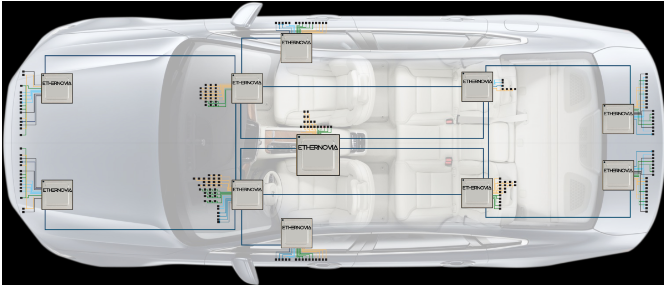
Robots Get Nervous Too: Ethernovia Raises $90M to Build AI's Fastest Nerve Network
News

Robots Get Nervous Too: Ethernovia Raises $90M to Build AI's Fastest Nerve Network

Silicon Valley startup Ethernovia just secured $90 million to develop what could become the nervous system for next-gen robots and self-driving cars. Their breakthrough? Lightning-fast ethernet chips that process sensor data faster than ever before. With backers like Porsche and Qualcomm jumping in, this funding signals a major shift - investors are now betting big on the physical hardware that makes advanced AI actually work in the real world.

January 21, 2026
AI HardwareRoboticsAutonomous Vehicles
News

MiniMax Expands Footprint with Guangzhou AI Hardware Acquisition

Chinese AI leader MiniMax has taken a strategic leap into hardware by fully acquiring Guangzhou Xiyu Jizhi Technology. This 70 million RMB move signals the company's shift from pure software to integrated AI solutions, targeting the booming robotics and smart device markets. With Guangzhou's manufacturing ecosystem as a springboard, MiniMax aims to strengthen its position in both enterprise applications and the competitive Greater Bay Area tech landscape.

January 19, 2026
AI HardwareCorporate StrategyChinese Tech
News

OpenAI Seeks U.S. Partners to Strengthen AI Hardware Independence

OpenAI is calling on American manufacturers to help build a robust domestic supply chain for AI hardware. From chips to cooling systems, the initiative aims to reduce reliance on foreign suppliers amid growing global competition. With applications open until mid-2026, this move aligns with broader U.S. efforts to reclaim manufacturing leadership in critical technologies.

January 16, 2026
OpenAIAI HardwareSupply Chain
News

China's Smartphone Giants Race to Reinvent the Humble Button with AI

China's top smartphone brands are quietly revolutionizing mobile interaction through an unexpected feature - AI-powered physical buttons. Honor appears poised to lead this charge with its upcoming Magic8 RSR, building on its existing YOYO intelligent agent technology. While some dismiss it as just another shortcut key, industry insiders see potential for these buttons to transform passive AI into proactive assistance across devices.

January 15, 2026
Smartphone InnovationAI HardwareMobile Technology
News

OpenAI Bets Big on Cerebras' Giant Chips to Challenge NVIDIA

OpenAI is partnering with Cerebras Systems to build what could become the world's most powerful AI inference platform. The $10 billion deal will deploy wafer-scale chips that promise 15x faster performance than traditional GPUs, marking a significant shift in AI infrastructure strategy. This collaboration reflects growing industry demand for alternatives to NVIDIA's dominance as AI models scale.

January 15, 2026
AI HardwareSemiconductorsTech Partnerships
News

Dell's GB10 Brings Supercomputer Power to Your Desk

Dell's new Pro Max with GB10 system packs serious AI muscle into a desktop-sized package. With 128GB unified memory and NVIDIA's Blackwell architecture, developers can now fine-tune models up to 20 billion parameters locally - no cloud required. The compact powerhouse weighs just 1.2kg but delivers performance that could reshape how AI teams prototype and iterate.

January 9, 2026
AI HardwareLocal ComputingNVIDIA Blackwell