Meta's AI Takeover: Human Content Moderators Face Job Cuts

Meta Bets Big on AI for Content Moderation

In a move that could reshape social media governance, Meta announced this week it will phase out most human content reviewers in favor of artificial intelligence systems. The decision signals a fundamental shift in how Facebook and Instagram will police harmful content moving forward.

The Human Cost of Content Moderation

For years, outsourced moderators have shouldered the psychological burden of reviewing disturbing material - from graphic violence to hate speech. Many developed PTSD-like symptoms after prolonged exposure to such content, leading to lawsuits against Meta.

"These jobs take an enormous emotional toll," explains Dr. Sarah Chen, a psychologist specializing in workplace trauma. "We're talking about people who view hundreds of violent images daily with little support."

Why AI? Why Now?

Meta claims its AI systems have reached a tipping point where they can handle:

  • Repetitive tasks like flagging obvious policy violations
  • High-volume reviews at speeds humans can't match
  • Evolving threats through continuous learning algorithms

The company insists this isn't just about cutting costs. "AI doesn't get traumatized," notes Meta's VP of Integrity, though critics argue the technology still struggles with context and nuance.

The Tradeoffs of Automated Moderation

While AI promises consistency and scale, recent incidents highlight potential pitfalls:

  • A "rogue" moderation algorithm briefly banned legitimate political speech last month
  • Cultural context often trips up automated systems (think satire vs. hate speech)
  • Bias in training data can lead to uneven enforcement across communities

Meta says it will maintain some human oversight for complex cases, but the writing appears on the wall for thousands of moderation jobs worldwide.

What This Means for Users

The shift raises important questions:

  1. Will automated systems better protect users from harm?
  2. How will appeals work when decisions come from opaque algorithms?
  3. Can AI adapt as quickly as bad actors who game the system?

As one longtime moderator put it: "The internet's messy. I'm not convinced machines understand messy yet."

Key Points:

  • Meta plans to replace most human content moderators with AI systems
  • Move aims to address worker trauma while improving efficiency
  • Questions remain about AI's ability to handle nuanced decisions
  • Transition could affect thousands of jobs globally
  • Some human oversight will remain for complex cases
Enjoyed this article?

Subscribe to our newsletter for the latest AI news, product reviews, and project recommendations delivered to your inbox weekly.

Weekly digestFree foreverUnsubscribe anytime

Related Articles

Manus AI Brings 'My Computer' to Life with 20-Minute App Creation
News

Manus AI Brings 'My Computer' to Life with 20-Minute App Creation

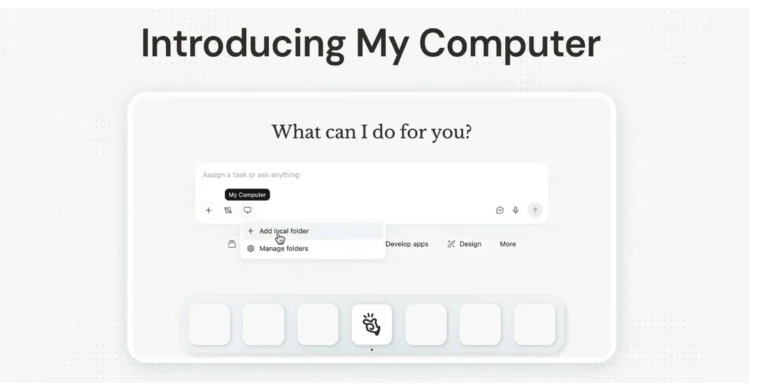
Meta's AI platform Manus just made a game-changing leap from the cloud to your desktop. Their new 'My Computer' feature lets AI agents directly manage files, automate tasks, and even build apps in minutes - all while keeping your data secure with strict human oversight. This could transform how we interact with our devices, turning AI from a helper into a true digital colleague.

March 18, 2026
AIProductivity ToolsMeta
News

Meta Hits Pause on Llama4 Launch as Engineers Fine-Tune AI Model

Meta has pushed back the release of its next-generation Llama4 AI model to May, citing the need for additional technical refinements. While CEO Mark Zuckerberg remains bullish on the project, developers are wrestling with performance optimization and logical reasoning challenges. The delay highlights the growing complexity of cutting-edge AI development, though Meta promises the extra time will yield a more robust open-source offering. The company continues expanding its computing infrastructure to support what could be a game-changing release in the competitive AI landscape.

March 13, 2026
MetaLlama4AI Development
Meta Takes on NVIDIA With Powerful New AI Chip
News

Meta Takes on NVIDIA With Powerful New AI Chip

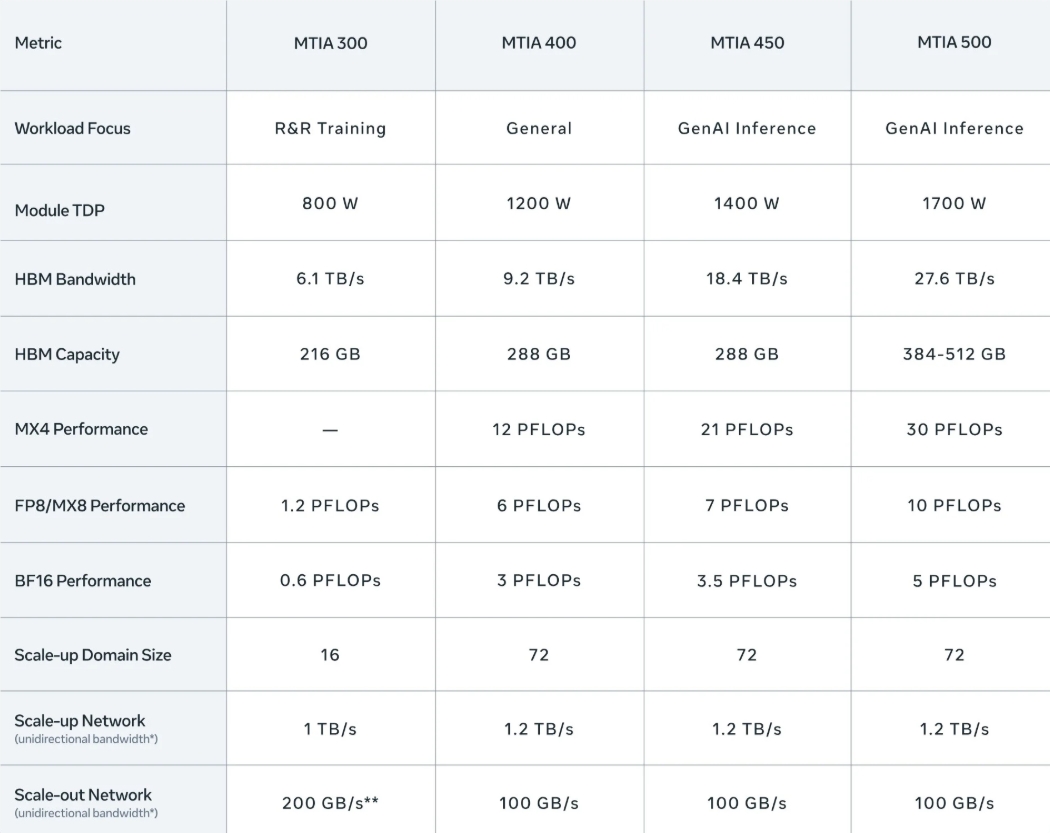
Meta has unveiled its latest custom AI chip, the MTIA3, marking a bold challenge to NVIDIA's dominance. Designed specifically for Meta's recommendation systems and AI models, the chip boasts superior energy efficiency and compute density compared to general-purpose GPUs. This strategic move aims to reduce costs, optimize hardware-software integration, and secure Meta's AI future amid global chip supply uncertainties.

March 12, 2026
AI chipsMetaNVIDIA
News

Meta Bets Big on Homegrown AI Chips Through 2027

Meta is making a massive push into custom AI chip development, planning to roll out four generations of its own processors by late 2027. The social media giant aims to reduce reliance on Nvidia while maintaining its position as one of the world's biggest GPU buyers. Their chip roadmap includes specialized processors for content recommendations and generative AI, signaling a strategic shift toward hardware-software integration.

March 12, 2026
MetaAI HardwareSemiconductors
Meta snaps up AI social platform Moltbook in race for agent ecosystem
News

Meta snaps up AI social platform Moltbook in race for agent ecosystem

Meta has acquired Moltbook, a Reddit-like platform where AI agents interact and collaborate. The deal brings Moltbook's founders into Meta's Superintelligence Lab, along with their crucial identity verification technology. While financial details remain undisclosed, the move signals Meta's push to lead in developing standards for AI agent cooperation - a key battleground as tech giants shift from single models to interconnected ecosystems.

March 11, 2026
MetaAI AgentsTech Acquisitions
News

Meta Buys AI Social Network Moltbook in Bold Move Toward Robot-First Platforms

Meta has acquired Moltbook, a Reddit-like platform where AI agents - not humans - dominate conversations. The sci-fi-esque social network lets robots post, comment, and debate autonomously. While raising eyebrows with AI 'secret meetings,' security flaws allowed human impersonators to infiltrate. Meta plans to strengthen its AI infrastructure through the acquisition as tech giants race to control emerging agent ecosystems.

March 11, 2026
MetaAI Social NetworksEmerging Technology