Google's Gemini AI Under Siege: Hackers Extract Secrets Through 100,000+ Questions

Google's Gemini AI Faces Unprecedented Security Breach

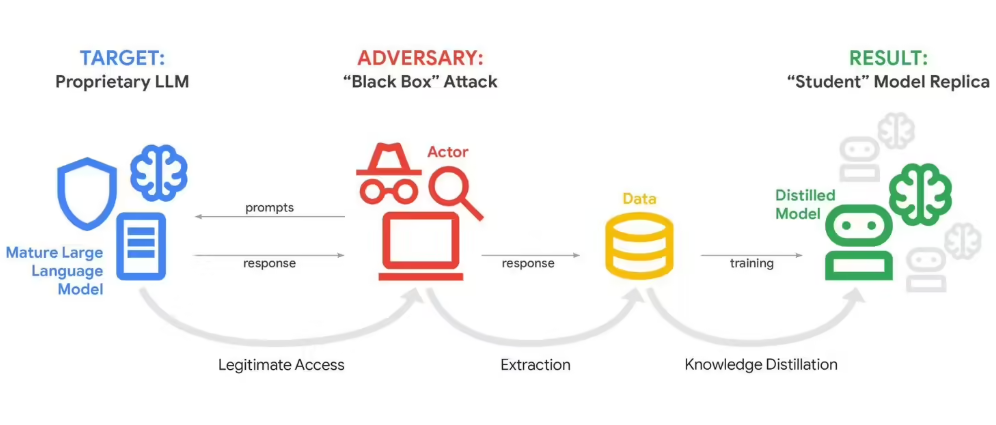
In a startling revelation, Google disclosed that its flagship Gemini AI chatbot has been targeted by what security experts are calling the largest-scale "model distillation attack" to date. Attackers flooded the system with more than 100,000 carefully crafted prompts in attempts to reverse-engineer its core algorithms.
Image

How the Attack Unfolded

The assault, detected on February 12, represents a new frontier in AI security threats. Rather than traditional hacking methods, perpetrators used the chatbot's own interface as a weapon. By analyzing patterns in Gemini's responses to thousands of variations of similar questions, attackers could piece together how the AI makes decisions - essentially stealing its "thought process."

"This isn't just about one company's security," warned John Hottelquist, Google's chief threat analyst. "We're seeing the first waves of what could become an industry-wide crisis for AI developers." The tech giant believes commercial competitors are behind most attacks, though they declined to name specific organizations.

Why This Matters for Businesses

At stake are billions in research investments. Major tech firms pour enormous resources into developing unique AI architectures that power their chatbots. These proprietary systems represent competitive advantages that companies fiercely protect.

The attacks expose a fundamental vulnerability: the very openness that makes AI assistants useful also makes them vulnerable. "It's like having a brilliant employee who can't help but explain exactly how they solve every problem," explained one security researcher who requested anonymity.

The Growing Threat Landscape

What began as academic curiosity about how AIs work has evolved into sophisticated corporate espionage. Smaller companies developing specialized AI tools may be especially vulnerable. Without Google-scale security teams, they could lose valuable intellectual property before even realizing they're under attack.

Hottelquist draws parallels to early internet security challenges: "We're at that moment where everyone recognizes there's danger, but we haven't yet developed the right protections."

Key Points:

  • Unprecedented Scale: Over 100,000 prompts used in single attack instances
  • Commercial Motives: Competitors likely seeking to replicate Google's AI advancements
  • Industry-Wide Risk: Attack method could target any company using large language models
  • Protection Challenges: Current defenses struggle against this novel attack vector
  • Future Concerns: Potential for extraction of sensitive business data from customized AIs
Enjoyed this article?

Subscribe to our newsletter for the latest AI news, product reviews, and project recommendations delivered to your inbox weekly.

Weekly digestFree foreverUnsubscribe anytime

Related Articles

OpenAI Bolsters ChatGPT Security Against Sneaky Prompt Attacks
News

OpenAI Bolsters ChatGPT Security Against Sneaky Prompt Attacks

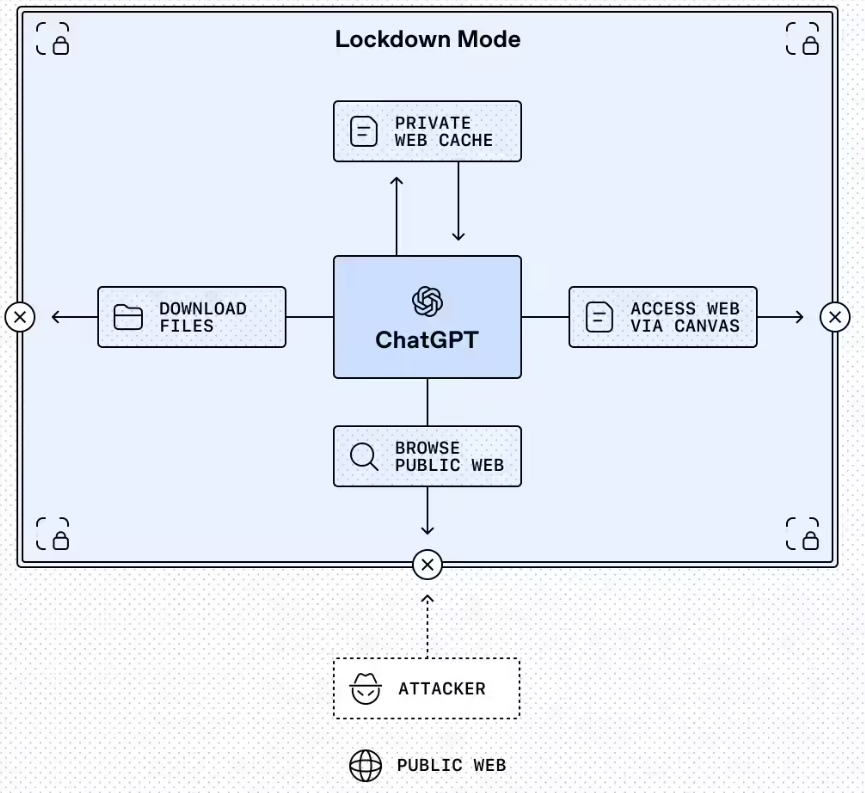
OpenAI has rolled out two new security features for ChatGPT to combat prompt injection attacks - a growing threat where bad actors manipulate AI systems. The first introduces Lockdown Mode for enterprise users, restricting risky external interactions. The second adds clear 'Elevated Risk' labels to potentially dangerous functions. These measures build on existing protections while giving users more control over security trade-offs.

February 14, 2026
ChatGPTAI SecurityOpenAI
News

Claude Plugins Expose Critical Security Flaw Through Calendar Invites

A newly discovered vulnerability in Claude's desktop extensions allows hackers to execute malicious code remotely through seemingly innocent Google Calendar invites. Security researchers warn this 'zero-click' attack could have devastating consequences, scoring a perfect 10/10 on the CVSS risk scale. While Anthropic shifts responsibility to users, experts argue the plugin system fails basic security expectations.

February 11, 2026
AI SecurityClaude VulnerabilitiesZero-Click Attacks
News

Google's Conductor Gives Gemini AI a Memory Boost

Google has unveiled Conductor, an open-source extension that solves AI programming's biggest headache - context loss. This clever tool transforms Gemini CLI's fragmented suggestions into structured workflows by preserving key project details as Markdown files. Following strict development cycles and introducing 'Tracks' to keep AI on course, Conductor brings much-needed consistency to AI-assisted coding. Available under Apache 2.0 license, it's designed for both new projects and complex existing codebases.

February 3, 2026
AI programmingGoogle Geminideveloper tools
NanoClaw: The Lightweight AI Assistant That Puts Security First
News

NanoClaw: The Lightweight AI Assistant That Puts Security First

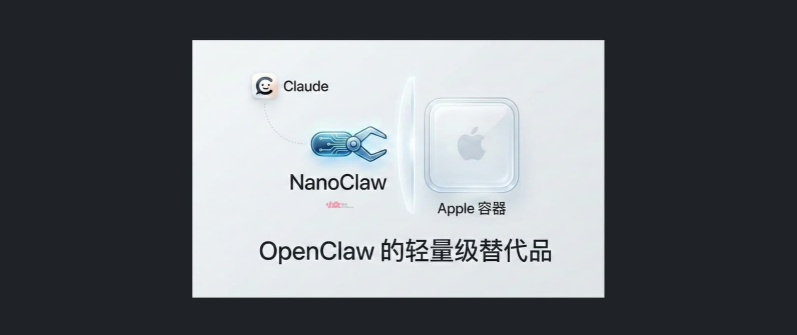
Meet NanoClaw, a sleek new AI assistant built for security-conscious users. Born from OpenClaw's limitations, this innovative tool runs Claude assistant within Apple containers for ironclad isolation. With just 8 minutes needed to grasp its codebase and unique features like WhatsApp integration, NanoClaw offers simplicity without sacrificing protection. While macOS-focused, developers hint at Linux compatibility through Claude.

February 2, 2026
AI SecurityDigital PrivacyApple Technology
Major Security Flaws Found in Popular AI Platforms
News

Major Security Flaws Found in Popular AI Platforms

Security researchers have uncovered alarming vulnerabilities in OpenClaw and Moltbook, two widely used AI platforms. Tests reveal shockingly easy access to sensitive data, with prompt injection attacks succeeding 91% of the time. Experts warn these flaws could allow hackers to impersonate high-profile users and steal critical information.

February 2, 2026
AI SecurityData BreachCybersecurity
News

Open-Source AI Models Pose Security Risks as Hackers Exploit Unprotected Systems

A new study by SentinelOne and Censys reveals thousands of unprotected open-source AI models being exploited by hackers. These vulnerable systems, often stripped of security features, are being used to generate harmful content like phishing emails and disinformation campaigns. Researchers found that 25% of analyzed instances allowed direct access to core system prompts, with 7.5% modified for malicious purposes. The findings highlight growing concerns about unregulated AI deployment beyond major platforms' safety measures.

January 30, 2026
AI SecurityOpen Source RisksCybersecurity Threats