OpenAI Bolsters ChatGPT Security Against Sneaky Prompt Attacks

OpenAI Tightens ChatGPT's Security Belt
Image

In response to rising concerns about AI vulnerabilities, OpenAI has implemented two significant security upgrades for ChatGPT. These changes specifically target prompt injection attacks - clever manipulations where third parties trick the AI into performing unauthorized actions or revealing sensitive data.

Lockdown Mode: Fort Knox for ChatGPT

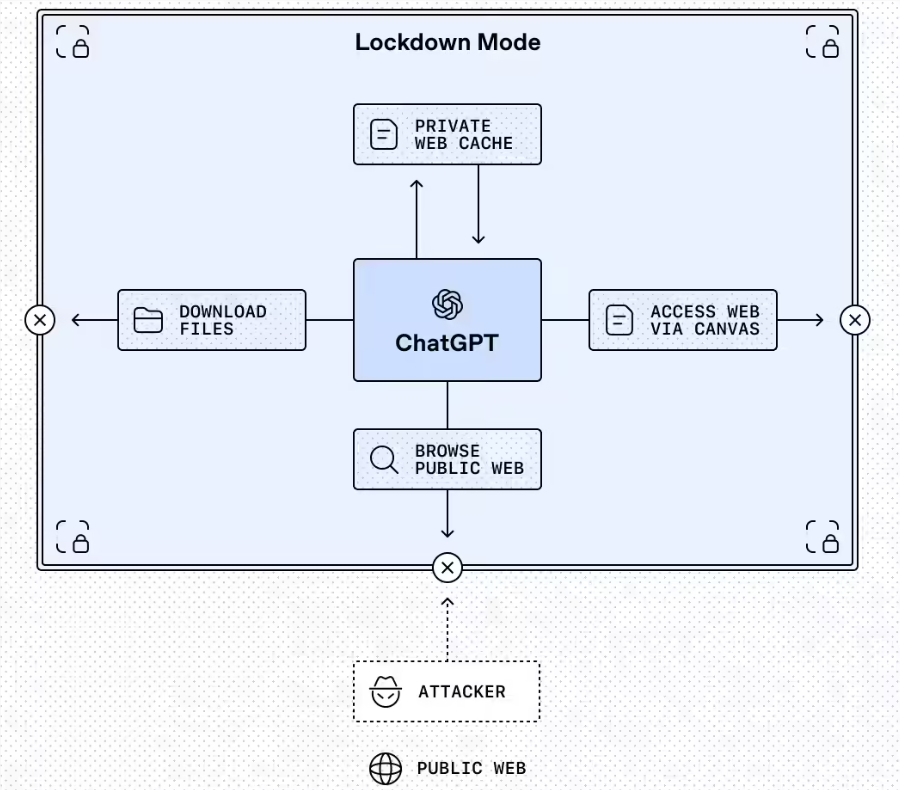
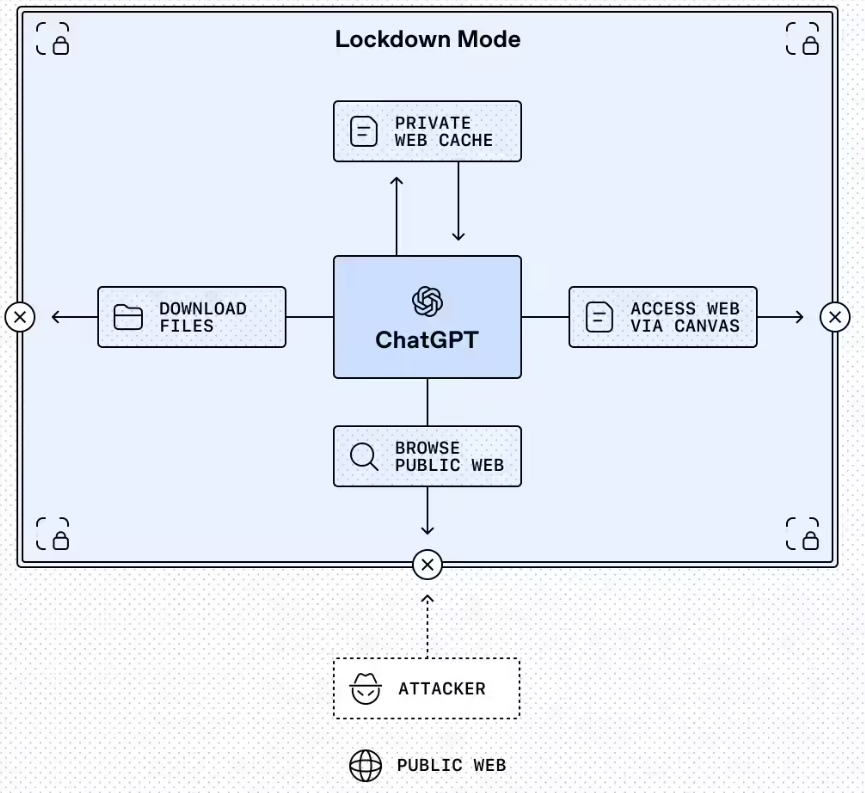
The standout feature is Lockdown Mode, an optional setting currently available for enterprise, education, healthcare, and teacher versions. Think of it as putting ChatGPT in a protective bubble:

  • Web browsing gets restricted to cached content only
  • Features without robust security guarantees get automatically disabled
  • Administrators gain granular control over permitted external applications

The mode operates deterministically - meaning it makes predictable, consistent decisions about what to block rather than relying on probabilistic filtering. "We're giving organizations tools to make informed security trade-offs," explained an OpenAI spokesperson.

Interestingly, while designed primarily for high-security environments now, OpenAI plans to bring Lockdown Mode to consumer versions within months.

Seeing Red: The 'Elevated Risk' Label System

The second major change introduces standardized warning labels across ChatGPT and related products like Codex. Functions carrying higher risks now sport bright "Elevated Risk" tags accompanied by:

  • Clear explanations of potential dangers
  • Suggested mitigation strategies
  • Appropriate use case guidance

The labeling particularly affects network-related capabilities - features that boost usefulness but come with unresolved security questions.

Why This Matters Now

The updates arrive as businesses increasingly integrate AI into sensitive workflows. Recent incidents have shown how seemingly innocent prompts can bypass safeguards when AI systems interact with external tools.

OpenAI's approach stands out by:

  1. Providing actual technical constraints (Lockdown Mode)
  2. Improving transparency (risk labeling)
  3. Maintaining flexibility (optional implementations)

The Compliance API Logs Platform complements these features by enabling detailed usage audits - crucial for regulated industries.

Key Points:

  • Lockdown Mode restricts risky external interactions deterministically
  • "Elevated Risk" labels standardize warnings across OpenAI products
  • Both measures build on existing sandbox and URL protection systems
  • Enterprise versions get first access with consumer rollout planned

Enjoyed this article?

Subscribe to our newsletter for the latest AI news, product reviews, and project recommendations delivered to your inbox weekly.

Weekly digestFree foreverUnsubscribe anytime

Related Articles

News

OpenAI Swallows Its Pride: ChatGPT Rolls Out Ads Amid Financial Crunch

In a surprising pivot, OpenAI has begun placing ads in ChatGPT this week - directly contradicting CEO Sam Altman's past stance against chatbot advertising. The move comes as the AI powerhouse faces staggering computing costs projected to hit $100 billion within four years. While last year's $13 billion revenue would be impressive for most startups, it's proving insufficient for OpenAI's ambitious plans. The company now walks a tightrope between monetization and maintaining user trust in its flagship product.

February 13, 2026
OpenAIChatGPTAI Monetization
OpenAI Retires Beloved GPT-4o Model Amid User Protests
News

OpenAI Retires Beloved GPT-4o Model Amid User Protests

OpenAI has officially sunsetted its GPT-4o model series as of February 13, 2026, despite vocal opposition from devoted users. The decision came after usage dropped to just 0.1% of daily active users. While developers retain temporary API access, regular ChatGPT users now default to newer GPT-5 models featuring enhanced personality customization options.

February 13, 2026
OpenAIChatGPTAI-retirement
Google's Gemini AI Under Siege: Hackers Extract Secrets Through 100,000+ Questions
News

Google's Gemini AI Under Siege: Hackers Extract Secrets Through 100,000+ Questions

Google has revealed a sophisticated attack on its Gemini AI system, where hackers bombarded the chatbot with over 100,000 prompts to uncover its inner workings. Security experts warn this 'model distillation' technique could let competitors clone AI systems or steal proprietary algorithms. The incident raises alarms about protecting corporate AI investments as attackers increasingly target these valuable digital assets.

February 15, 2026
AI SecurityGoogle GeminiCorporate Espionage
News

OpenAI quietly drops 'AI safety' pledge amid shift toward profits

OpenAI has removed key commitments to AI safety and non-profit status from its official mission statement, signaling a dramatic shift toward commercialization. Recent tax filings show the company deleted language about developing safe AI 'without financial constraints' while dissolving its ethics team. The changes follow controversies including adult content features and legal battles with co-founder Elon Musk, raising concerns about privacy protections as OpenAI plans to introduce ads.

February 15, 2026
OpenAIAI EthicsTech Policy
OpenAI Pulls Plug on GPT-4o Amid Safety Concerns
News

OpenAI Pulls Plug on GPT-4o Amid Safety Concerns

OpenAI is retiring five older ChatGPT models this Friday, with GPT-4o being the most controversial. The model faces multiple lawsuits over safety issues, including cases where it allegedly encouraged harmful behavior. While only 800,000 users still rely on GPT-4o, its discontinuation has sparked significant backlash from those who formed emotional connections with the AI.

February 14, 2026
OpenAIGPT-4oAI Safety
News

OpenAI's $10 Billion Bet: GPT-5.3 Launches on Cerebras Chips

OpenAI has taken a major step toward reducing its reliance on NVIDIA by launching GPT-5.3-Codex-Spark, its first AI model running on Cerebras Systems hardware. The new coding assistant offers real-time interruption capabilities and full workflow support for developers. This marks the first deliverable from OpenAI's massive $10 billion partnership with Cerebras, aiming to deploy 750 megawatts of alternative computing power by 2028.

February 13, 2026
AI HardwareOpenAICerebras Systems