OpenAI Swallows Its Pride: ChatGPT Rolls Out Ads Amid Financial Crunch
OpenAI's Advertising U-Turn: Survival Over Ideals
The tech world is buzzing this week as OpenAI makes an unexpected move - placing advertisements directly within ChatGPT conversations. This marks a dramatic reversal for CEO Sam Altman, who famously declared advertising "the last resort of a business model" during a 2024 Harvard University speech.
From Principle to Pragmatism
Back in his Harvard days, Altman argued passionately against polluting chatbot interactions with paid promotions. "It erodes user trust," he insisted at the time. Fast forward to February 2026, and financial realities appear to have outweighed philosophical objections.
"When your electricity bill rivals small nations' GDPs, principles become luxuries," quipped one industry insider familiar with OpenAI's finances.
The Billion-Dollar Reality Check
The numbers tell a sobering story:
- Current Revenue: $13 billion annually (stellar by startup standards)
- Projected Costs: $100 billion needed just for computing infrastructure through 2030
- Cash Burn: Daily operational expenses reportedly exceed $30 million
The math simply doesn't add up without new revenue streams. Advertising offers the most immediate solution - if OpenAI can navigate the pitfalls.
Walking the Commercialization Tightrope
The implementation raises thorny questions:
- How prominently should ads appear in conversation flows?
- Can recommendation algorithms maintain objectivity when sponsored content enters the mix?
- Will users tolerate interruptions from brands mid-chat?
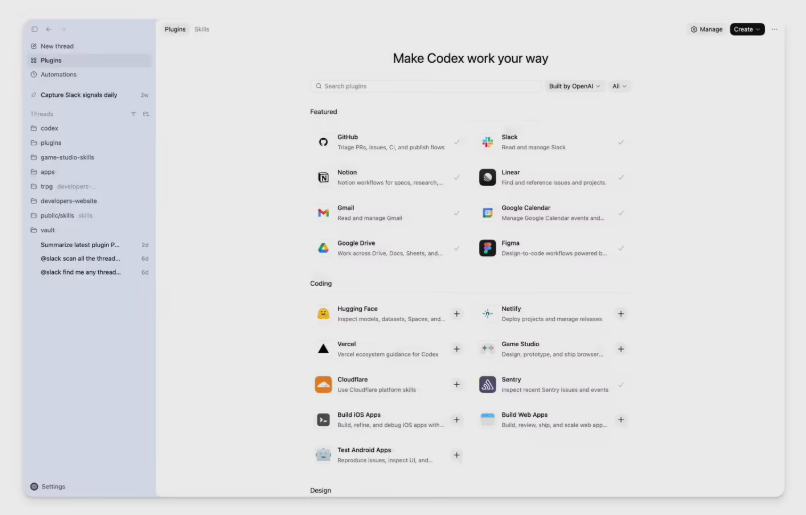
Early screenshots show subtle product placements woven into responses rather than disruptive banner ads. But even this approach risks altering ChatGPT's carefully cultivated neutral tone.
Industry Reactions Mixed
Some analysts see inevitability in the move. "They've built arguably the most engaged audience online," notes tech journalist Mara Linwood. "Not monetizing that would be irresponsible to investors."
Privacy advocates counter that blending ads with AI assistance creates troubling new gray areas around endorsement and influence. "When does helpful suggestion become hidden persuasion?" asks Digital Rights Watch director Colin Reese.
The coming months will reveal whether users accept this new commercialized ChatGPT - or seek out ad-free alternatives emerging in the competitive AI landscape.
Key Points:
- Financial pressures forced OpenAI's hand despite previous anti-ad stance
- Projected $100B infrastructure costs dwarf current revenues
- Implementation balances subtlety with revenue needs - for now
- Long-term user trust remains precarious amid commercialization
- Industry watching closely as other AI firms face similar dilemmas