Google's Aluminum OS Leak Reveals Deep Gemini Integration
Google's Aluminum OS Leaks Show Ambitious AI Integration
Tech enthusiasts got an unexpected peek into Google's future plans when details about Aluminum OS surfaced recently. This isn't just another Android iteration - it represents Google's boldest attempt yet to merge mobile and desktop experiences with AI at the core.
Always Within Reach: Gemini Gets Prime Positioning
The leaked information reveals some clever design choices that could fundamentally change how we interact with computers:
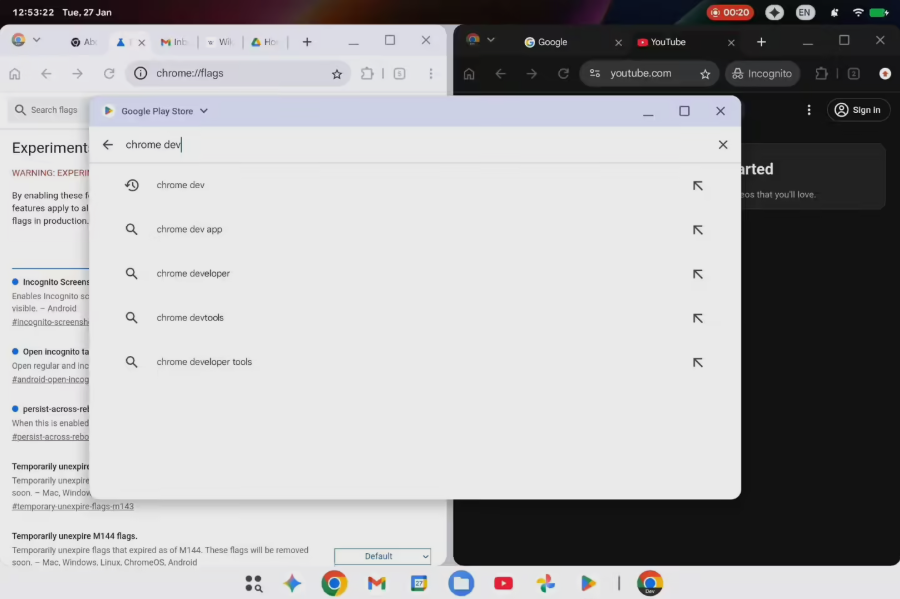
- Persistent Presence: Unlike traditional assistants that require activation, Gemini lives permanently in the status bar - right beside essential indicators like Wi-Fi and battery life.
- Instant Access: Users won't need to hunt through menus. A simple click or the Google Key + Spacebar combination brings Gemini to life instantly.
From Helper to Hub: AI's Evolving Role
The leaked code suggests Gemini won't just answer questions or set reminders. It appears positioned to become:
- A writing collaborator that understands context
- A planning assistant that tracks workflows
- A brainstorming partner that sees what you see on screen
This level of integration means Gemini could potentially anticipate needs rather than just respond to commands.
Why This Matters Beyond Tech Circles
The Aluminum OS approach signals a major shift in how tech giants view artificial intelligence. Instead of treating AI as another feature, Google seems determined to make it the foundation of our digital experience. The implications extend far beyond convenience:
- Productivity Revolution: Seamless AI access could transform how we create documents, manage schedules, and process information.
- Ecosystem Strategy: By unifying mobile and desktop experiences through AI, Google strengthens its position against Apple and Microsoft.
- Future Trends: This may establish a blueprint for how operating systems evolve in the coming decade.
The prototypes remain tightly guarded, but one thing seems clear - Alphabet isn't just building another operating system; they're attempting to redefine what an operating system should be.