Robots Get a Brain Upgrade: ForceGPT's DM0 Model Goes Open Source
A New Era for Robot Intelligence
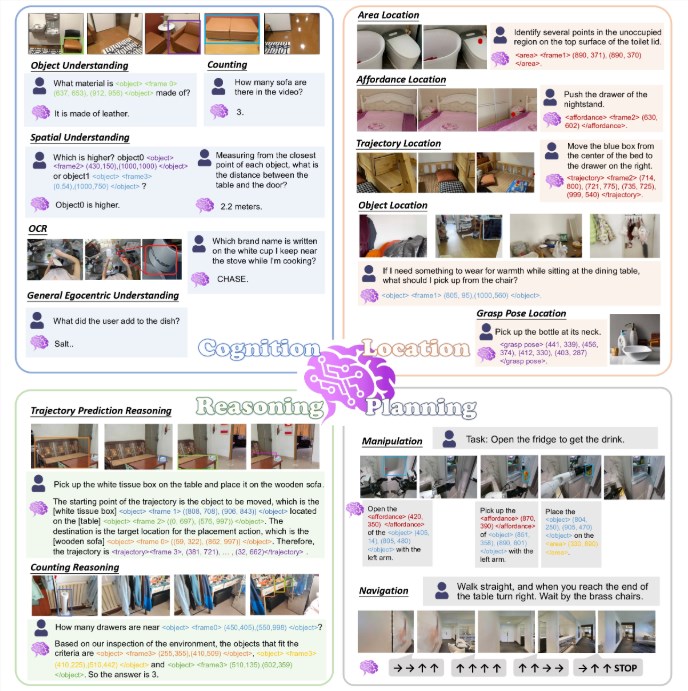
The robotics world is buzzing with ForceGPT's latest announcement: DM0, what they're calling the first truly native 'brain' designed specifically for embodied intelligence. Forget retrofitting language models - this system was built from scratch to think like a robot.
Built Different From Day One
Developed in collaboration with Step星辰, DM0 integrates sensory data directly into its learning process rather than translating between formats. Imagine teaching someone to ride a bike by actually letting them feel the balance rather than describing it - that's the kind of intuitive learning DM0 enables.
The model already supports eight major robot platforms despite its lean 2.4 billion parameters (modest by today's standards). In real-world tests, it outperformed bulkier competitors while demanding significantly less computing power - like a champion sprinter who trains smarter, not harder.
Democratizing Robot Development
Perhaps most exciting is ForceGPT's decision to open-source DM0 completely. The company is throwing open the doors with:
- Dexbotic 2.0: A streamlined development framework
- DFOL: Production-ready workflows The package means startups can now experiment with advanced robotics using equipment as simple as gaming PCs.
"We're seeing costs drop dramatically," notes robotics engineer Li Wei. "What required supercomputers last year now fits on workstations."
The Android Moment?
Industry watchers are drawing parallels to smartphone revolutions past. Just as Android standardized mobile development, DM0 could provide:
- Consistent foundations across hardware platforms
- Dramatically shortened development cycles
- Lower barriers for innovation
The implications stretch far beyond today's industrial arms and delivery bots. With accessible tools and adaptable intelligence, we might soon see robotic solutions tailored for everything from elder care to deep-sea exploration.
Key Points:
- Native Design: DM0 thinks like a robot from its core architecture
- Surprising Efficiency: Outperforms larger models despite modest size
- Open Ecosystem: Full source code available alongside production tools
- Accessible Future: Consumer hardware can now power serious robotics work