Figma and OpenAI Bridge Design-Code Gap with Breakthrough Integration
Design Meets Development in Historic Collaboration
For years, designers and developers have worked in parallel universes - one crafting pixel-perfect interfaces, the other translating those visions into working code. Today, Figma and OpenAI announced a solution that finally connects these worlds through deep integration of Codex AI technology.
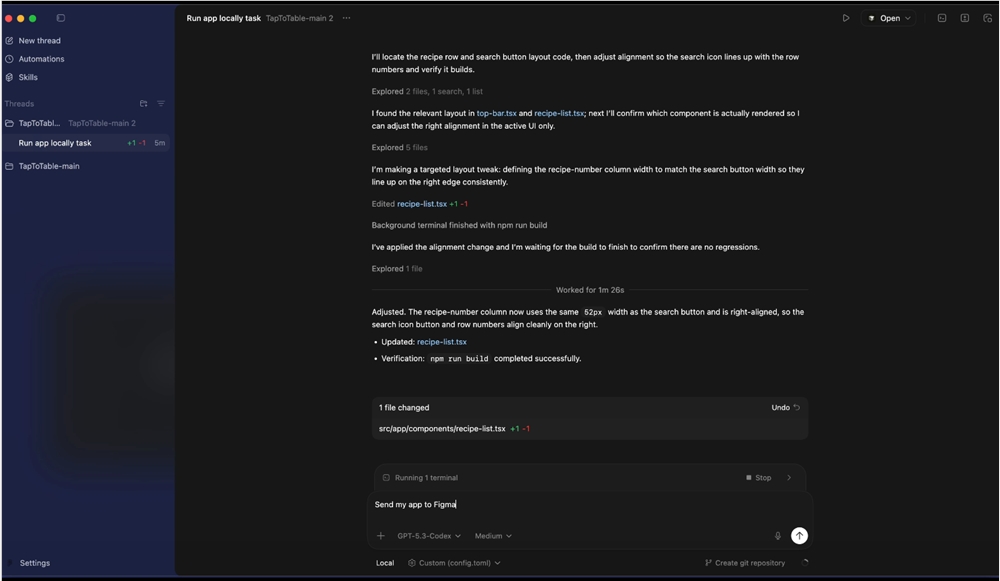
How the Integration Works
The breakthrough lies in bidirectional automation that flows both ways:
- From Code to Design: Developers can now generate editable Figma files directly from existing code repositories
- From Design to Code: Changes made in Figma automatically transform into clean, production-ready code
- Context-Aware AI: The system understands entire projects through MCP (Model Context Protocol), eliminating the guesswork that plagued earlier tools
"This isn't just about saving clicks," explains Figma's CTO. "It's about creating a shared language between disciplines that traditionally spoke different dialects."
Ecosystem-Wide Implementation
The features roll out across Figma's entire product suite:
- Native support in Figma Design and Figma Make
- Collaborative whiteboard tool FigJam integration
- Deep macOS compatibility via Codex desktop app
Early adoption metrics tell a compelling story: Weekly active users surpassed 1 million shortly after launch, with growth accelerating at 400% since January 2026.
What This Means for Teams
The implications extend far beyond convenience:
- Design systems become living documents that evolve alongside codebases
- Prototyping cycles shrink from days to hours as ideas flow directly into implementation
- Cross-functional alignment improves through shared artifacts that both sides can modify
- Technical debt decreases when design changes propagate automatically to code
The partnership leverages OpenAI's enterprise ChatGPT deployment within Figma's own workflows - proving the technology before bringing it to customers.
Key Points:
- First true two-way bridge between design files and functional code
- Context-aware AI understands complete project ecosystems
- Already powering over 1 million weekly user sessions
- Available now across Figma's product family
- Represents shift from static guidelines to dynamic design systems