Cerebras and OpenAI Strike $20 Billion AI Chip Deal Ahead of IPO

A Game-Changing Partnership in AI Hardware

Silicon Valley just witnessed one of its most significant AI hardware deals to date. Cerebras Systems, the innovative AI chip designer, has locked in a multi-billion dollar agreement with OpenAI that could reshape the competitive landscape for artificial intelligence infrastructure.

The numbers speak volumes: A $2 billion contract spanning three years dwarfs the companies' previous $750 million arrangement announced earlier this year. What makes this partnership particularly noteworthy? OpenAI isn't just buying chips - they're buying into Cerebras' future. The AI research giant has committed approximately $1 billion to support Cerebras' data center development and secured warrants for up to a 10% ownership stake.

The Road to Wall Street

Behind the scenes, Cerebras has been quietly preparing for what could be one of the most anticipated tech IPOs in recent memory. Sources close to the company suggest a potential valuation exceeding $35 billion, with plans to raise about $3 billion in fresh capital. While specific terms remain under wraps, market analysts see this as a strategic move to bolster Cerebras' position against rivals like Nvidia and AMD.

"This isn't just about financing," notes tech industry analyst Maria Chen. "That OpenAI is willing to take an equity position signals strong confidence in Cerebras' wafer-scale technology for next-generation AI workloads."

Why This Deal Matters

Cerebras' unique approach to AI processors - building chips the size of entire wafers rather than small dies - has shown remarkable results in handling massive language models and other complex AI tasks. As AI models grow exponentially in size and complexity, the industry's hunger for specialized hardware has become insatiable.

Key advantages driving this partnership:

  • Performance at scale: Cerebras' architecture eliminates many bottlenecks found in traditional GPU clusters
  • Energy efficiency: Early benchmarks show significant power savings for large models
  • Specialized for AI: Unlike general-purpose GPUs, these chips are designed specifically for neural network workloads

The Bigger Picture

This deal arrives at a pivotal moment in AI development. With tech giants and startups alike racing to build ever-larger models, the underlying hardware has become a critical differentiator. OpenAI's substantial investment suggests they're not just planning for incremental improvements - they're preparing for a future where AI systems may require entirely new computing paradigms.

"What excites me most," says Cerebras CEO Andrew Feldman, "is that we're not just selling chips. We're co-designing the future of AI infrastructure with one of the field's most visionary organizations."

Key Points:

  • $2B chip deal: Three-year agreement between Cerebras and OpenAI
  • Strategic investment: OpenAI commits $1B for data center development
  • Equity stake: Warrants for up to 10% ownership position
  • IPO plans: Cerebras eyeing $35B+ valuation with $3B raise
  • Technology edge: Wafer-scale chips optimized for large AI models
Enjoyed this article?

Subscribe to our newsletter for the latest AI news, product reviews, and project recommendations delivered to your inbox weekly.

Weekly digestFree foreverUnsubscribe anytime

Related Articles

News

OpenAI Bets Big on Cerebras with $2B Investment and Potential Stake

OpenAI is making a massive $2 billion investment in AI chipmaker Cerebras, securing computing power and potentially up to 10% equity. This deepens their existing partnership, following a previous $10 billion computing deal. The move comes as Cerebras prepares for an IPO, valuing the company at $35 billion. The deal highlights the intense demand for AI computing infrastructure as companies race to build next-generation AI systems.

April 17, 2026
OpenAICerebrasAI Chips
ChatGPT Hits 1 Billion Users as Women Take the Lead
News

ChatGPT Hits 1 Billion Users as Women Take the Lead

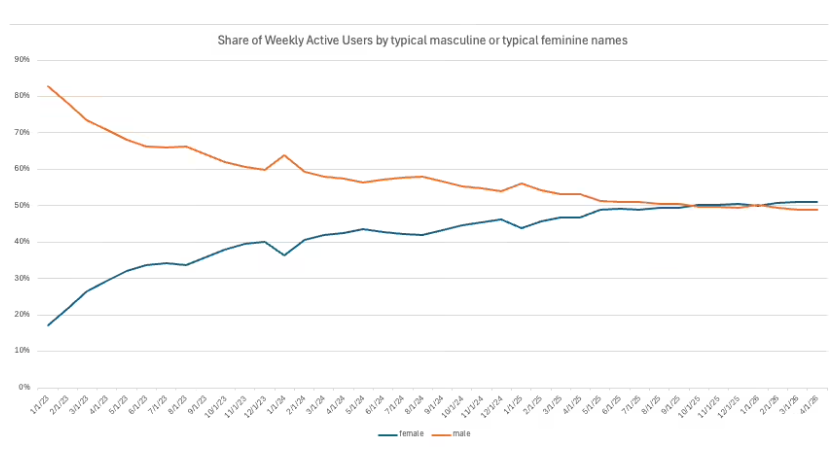
OpenAI's latest figures reveal a major shift in ChatGPT's user base - women now make up over half of its nearly 1 billion weekly active users. This marks a dramatic change from its early days when male users dominated at 80%. The AI platform's computing power is also set for massive expansion, expected to grow nearly tenfold by 2025 as adoption surges across demographics.

April 17, 2026
ChatGPTAI TrendsOpenAI
News

Alibaba-Backed AI Firm Doubles Funding as Partners Expand

Tongyi Yunqi, the company behind China's popular Tongyi Qianwen AI platform, just received a major capital boost. Its registered capital jumped from 100 million to 200 million yuan, with new investor Hangzhou Tongyi Lab joining existing backer Alibaba Cloud. The move signals continued confidence in the AI sector despite global market fluctuations.

April 17, 2026
Artificial IntelligenceAlibaba CloudChina Tech
ByteDance Seeks Top AI Talent in Global PhD Hunt
News

ByteDance Seeks Top AI Talent in Global PhD Hunt

TikTok's parent company ByteDance is rolling out an ambitious recruitment drive targeting PhD candidates worldwide. The program offers both full-time roles and internships across cutting-edge AI fields including large model applications and AI safety. Successful candidates will join teams in tech hubs from Beijing to San Diego, with priority given to researchers with notable publications or competition wins. This move signals ByteDance's continued push to lead in artificial intelligence innovation.

April 17, 2026
ByteDanceAI RecruitingPhD Opportunities
OpenAI's New AI Assistant Could Revolutionize Drug Discovery
News

OpenAI's New AI Assistant Could Revolutionize Drug Discovery

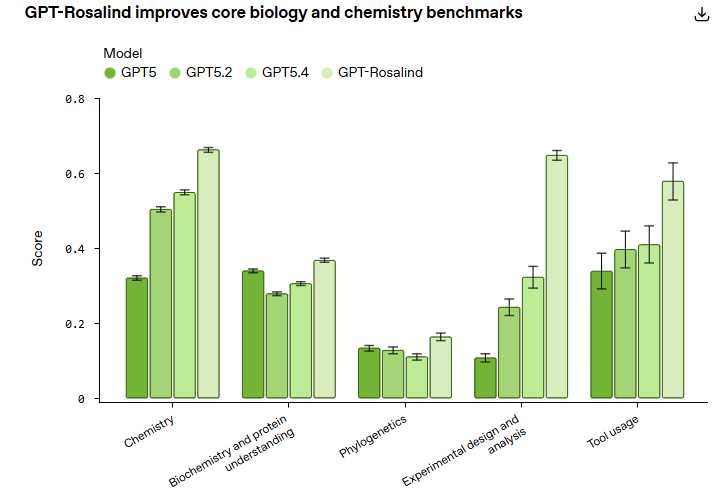
OpenAI has unveiled GPT-Rosalind, an AI model specifically designed for pharmaceutical and life sciences research. Named after DNA pioneer Rosalind Franklin, this tool promises to accelerate drug development by analyzing biochemical data and assisting with research tasks. Currently in limited release to select partners like Amgen and Moderna, the model shows remarkable potential in genomics and chemistry applications. This marks OpenAI's ambitious entry into scientific AI, directly competing with Google's DeepMind in transforming how medical research is conducted.

April 17, 2026
AI in healthcareDrug discoveryOpenAI
OpenAI Unveils GPT-Rosalind: AI That Could Revolutionize Drug Discovery
News

OpenAI Unveils GPT-Rosalind: AI That Could Revolutionize Drug Discovery

OpenAI has taken a bold step into life sciences with GPT-Rosalind, a specialized AI model named after DNA pioneer Rosalind Franklin. Unlike general chatbots, this tool can analyze protein structures, predict gene functions, and suggest experimental pathways—outperforming human experts in some tests. Currently available only to select biotech firms, it promises to accelerate drug development while raising important questions about AI's role in scientific discovery.

April 17, 2026
AI-in-biotechdrug-discoveryOpenAI