Figma Acquires AI Startup Weavy, Launches Figma Weave

Figma Expands AI Capabilities with Weavy Acquisition

In a strategic move to bolster its artificial intelligence offerings, design collaboration platform Figma has acquired Weavy, an AI image and video generation startup. The acquisition introduces a new sub-brand called Figma Weave, marking Figma's transition from traditional design collaboration to an AI-native content generation ecosystem.

Node-Based Workflow Revolutionizes AI Design

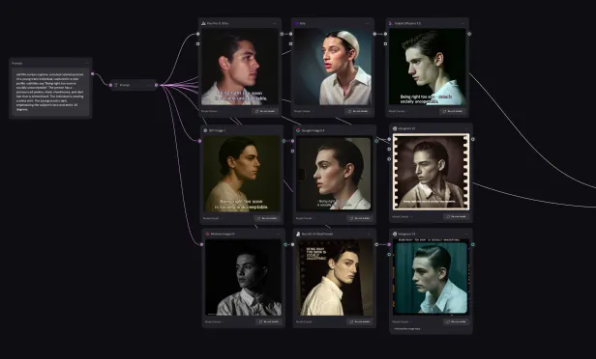
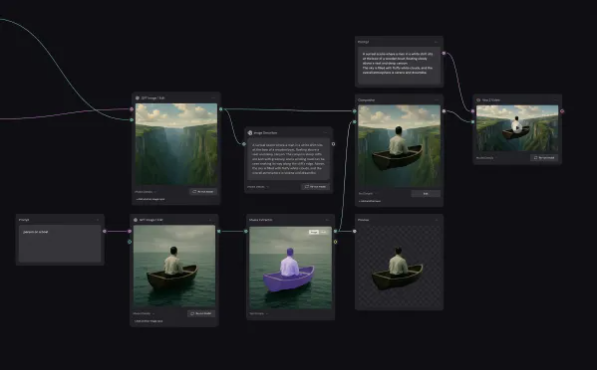
The core innovation driving this acquisition is Weavy's node-based workflow system. This technology allows designers to:

  • Combine outputs from different AI models on an infinite canvas
  • Seamlessly integrate static images with dynamic video content
  • Adjust lighting, color, and angles through prompt-based editing
  • Perform layer edits across media types through visual node connections
Image

"This achieves an amazing balance between simplicity, usability, and professional control," said Figma CEO Dylan Field. "We're making AI-generated content into a true creative instrument for designers."

Strategic Integration Plans

While Weavy will initially operate as an independent product, Figma plans gradual integration under the Figma Weave brand. This strategic roadmap includes:

  1. Direct access to multi-model AI generation within Figma's platform
  2. Seamless embedding of AI outputs into prototype design workflows
  3. Elimination of current fragmentation between generation and editing tools

The Tel Aviv-based startup Weavy was founded in 2024 and recently completed a $4 million seed round before the acquisition. Image
Industry Shift Toward Integrated Platforms

The acquisition reflects broader industry trends:

  • Perplexity recently acquired Visual Electric's team
  • Krea secured $83 million in funding earlier this year
  • Platforms are consolidating specialized tools into unified ecosystems

The move strengthens Figma's position against competitors like Adobe while addressing growing designer demand for integrated AI solutions.

Key Points:

  1. Strategic Acquisition: Figma acquires Weavy to expand into AI-native design workflows.
  2. Node-Based Innovation: Visual node connections enable multi-model collaboration.
  3. Phased Integration: Immediate independence with planned deep integration.
  4. Industry Trend: Movement toward consolidated platforms versus specialized tools.
  5. Market Positioning: Strengthens Figma against Adobe in the evolving design landscape.

Enjoyed this article?

Subscribe to our newsletter for the latest AI news, product reviews, and project recommendations delivered to your inbox weekly.

Weekly digestFree foreverUnsubscribe anytime

Related Articles

Figma and OpenAI Bridge Design-Code Gap with Breakthrough Integration
News

Figma and OpenAI Bridge Design-Code Gap with Breakthrough Integration

Figma's new integration with OpenAI Codex shatters barriers between design and development teams. The collaboration enables seamless two-way translation between visual designs and functional code, powered by AI that understands full project context. Weekly usage has skyrocketed past 1 million visits as developers embrace tools that automatically generate editable designs from codebases while converting Figma changes into production-ready code.

February 28, 2026
FigmaOpenAIAI Design
Apple's AI Design Breakthrough: Small Model Outshines GPT-5
News

Apple's AI Design Breakthrough: Small Model Outshines GPT-5

Apple has cracked the code on AI-powered design. Their research shows that fine-tuning smaller models with direct feedback from professional designers yields remarkable results—so much so that their optimized Qwen3-Coder now surpasses GPT-5 in UI design quality. By collecting detailed annotations and sketches from 21 senior designers, Apple created a training method that dramatically improves both aesthetic appeal and logical consistency.

February 6, 2026
AI DesignHuman-AI CollaborationCreative Technology
News

AI Music Revolution: Suno v5 and Lyria3 Redefine Creative Boundaries

February 2026 marked a turning point in AI music generation as industry leaders Suno, Udio, and Google unveiled groundbreaking updates. These advancements transformed AI music from experimental tools to professional-grade production systems capable of emotional vocals, studio-quality audio, and seamless integration across creative workflows. Major brands are already leveraging these technologies to revolutionize advertising, design, and gaming industries.

March 6, 2026
AI MusicCreative TechnologyDigital Transformation
Figma's New AI Tools Transform Image Editing for Designers
News

Figma's New AI Tools Transform Image Editing for Designers

Figma has rolled out powerful AI-powered image editing features that are changing how designers work. The new tools allow for one-click object removal, precise element extraction, and intelligent image expansion—all without leaving the platform. Early users report professional-grade results that rival Photoshop, making complex edits simple and saving valuable time in the design process.

December 15, 2025
FigmaAI Design ToolsImage Editing
News

Kling AI 2.6 Debuts with Game-Changing Audio Features

Kuaishou's Kling AI has unveiled version 2.6, marking a significant leap forward in AI-generated content. The update introduces native audio capabilities alongside its existing video tools, creating seamless multimodal experiences. With improved efficiency and quality metrics, this release promises to transform creative workflows for professionals across media industries.

December 3, 2025
AI Video GenerationMultimodal AICreative Technology
Kling AI's O1 Model Transforms Video Creation with Simple Prompts
News

Kling AI's O1 Model Transforms Video Creation with Simple Prompts

Kling AI has unveiled its groundbreaking O1 video model, allowing users to generate videos from single sentences. This multimodal system combines text, images and video processing in one seamless interface, solving common issues like 'feature drift' during scene transitions. Currently available for short-form content creation, the technology promises to democratize AI video production - though its real-world performance remains to be seen.

December 2, 2025
AI Video GenerationMultimodal AICreative Technology