Kling AI's O1 Model Transforms Video Creation with Simple Prompts

Kling AI's O1 Model Revolutionizes Video Generation

Image

The artificial intelligence landscape just got more interesting with Kling AI's public launch of its O1 video generation model. Unlike conventional systems that require multiple steps, this innovative tool lets creators produce videos from simple text prompts - no technical expertise required.

Unified Multimodal Approach

What sets O1 apart is its MVL (Multimodal Vision Language) architecture, which seamlessly integrates text, images and video processing into a single interface. "Imagine describing your vision in plain English and watching it come to life," explains a ComfyAI product director. "That's the simplicity we're bringing to professional-grade video creation."

The model introduces Chain-of-Thought reasoning - essentially teaching the AI to 'think through' creative decisions step by step. This approach helps maintain consistency when handling complex scenes with multiple subjects.
Image

Solving Industry Pain Points

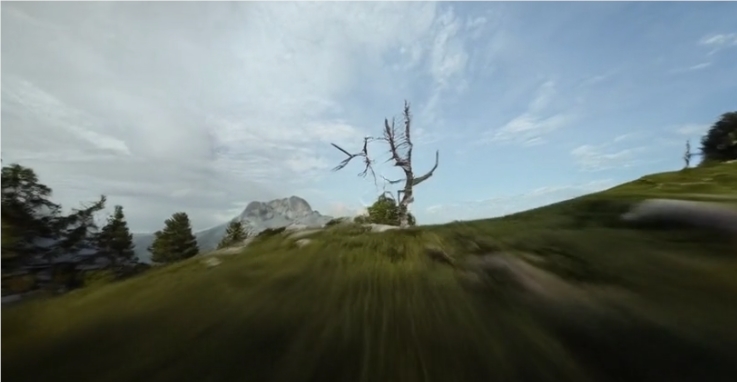
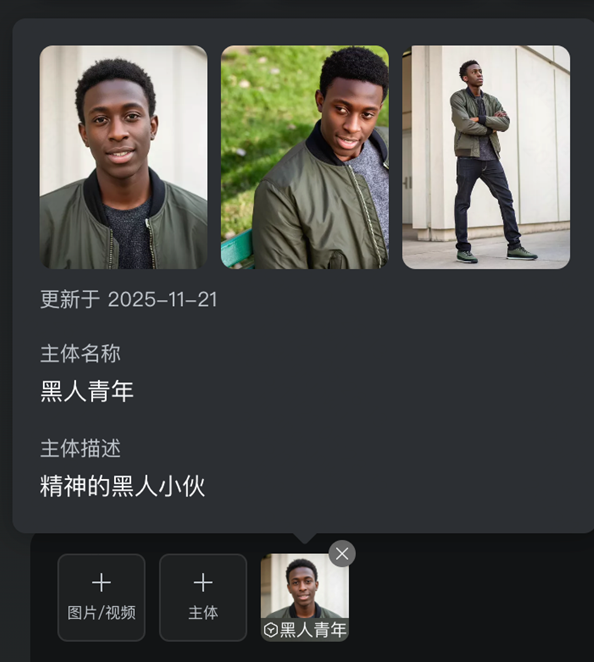
One persistent challenge in AI video generation has been 'feature drift' - where characters or objects change unnaturally between shots. Kling AI claims their multi-viewpoint subject construction technology finally cracks this problem by locking onto key visual characteristics.

"It's like having an invisible cinematographer," says the product director. "The system understands spatial relationships and maintains visual continuity automatically."

Accessibility Meets Professional Needs

Currently available through ComfyApp and Kling AI's website, O1 supports:

  • 3-10 second video generation (free)
  • Text-to-video conversion
  • Image-to-video transformation
  • Local editing capabilities
  • Shot extension features

The company plans to release API access soon, potentially integrating this technology into popular creative platforms. While analysts applaud the lowered barriers to entry, some question whether quality can scale affordably.

"Every technological leap faces skepticism," counters a Kling spokesperson. "We're confident creators will be pleasantly surprised by what they can achieve."

The O1 model is now live for testing - will it redefine how we think about AI-assisted video production? Early adopters may hold the answer.

Key Points:

  • Single-prompt operation: Generate videos from text descriptions without switching interfaces
  • Consistency breakthroughs: Advanced algorithms prevent common 'feature drift' issues
  • Current applications: Ideal for short-form content creators and marketing teams
  • Future expansion: API integration coming soon for broader platform compatibility
Enjoyed this article?

Subscribe to our newsletter for the latest AI news, product reviews, and project recommendations delivered to your inbox weekly.

Weekly digestFree foreverUnsubscribe anytime

Related Articles

News

Volcano Engine Unveils Doubao 2.0 Just in Time for Valentine's Day

ByteDance's Volcano Engine is rolling out major upgrades to its creative tools this Valentine's Day. The spotlight shines on Doubao 2.0, featuring enhanced video generation capabilities that meet professional production standards. Alongside Seedance 2.0's industrial-grade video delivery, Seedream 5.0 Preview brings real-time information retrieval and deeper intention understanding - promising to revolutionize digital content creation.

February 12, 2026
Volcano EngineAI Video GenerationDigital Content Creation
Apple's AI Design Breakthrough: Small Model Outshines GPT-5
News

Apple's AI Design Breakthrough: Small Model Outshines GPT-5

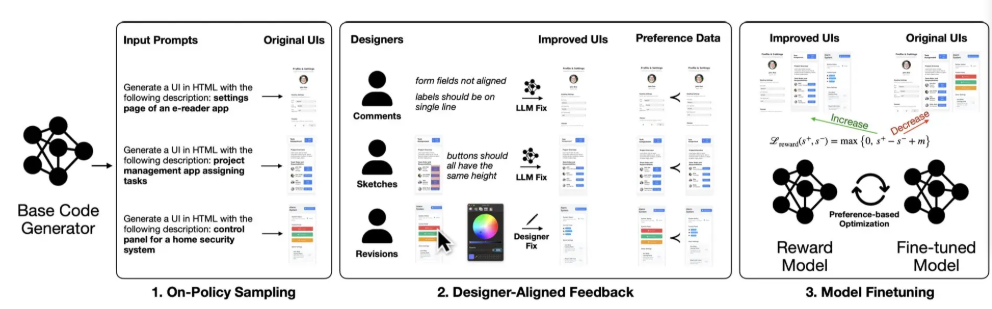
Apple has cracked the code on AI-powered design. Their research shows that fine-tuning smaller models with direct feedback from professional designers yields remarkable results—so much so that their optimized Qwen3-Coder now surpasses GPT-5 in UI design quality. By collecting detailed annotations and sketches from 21 senior designers, Apple created a training method that dramatically improves both aesthetic appeal and logical consistency.

February 6, 2026
AI DesignHuman-AI CollaborationCreative Technology
News

Tencent's AI Push Gains Momentum as Top Scientist Tianyu Peng Joins Hunyuan Team

Tencent has made another strategic hire in its AI talent race, bringing on Tianyu Peng as Chief Research Scientist for its Hunyuan multimodal team. The Tsinghua PhD and former Sea AI Lab researcher will focus on advancing reinforcement learning capabilities within Tencent's flagship AI model. This move signals Tencent's continued commitment to competing at the forefront of multimodal AI development.

February 3, 2026
TencentAI ResearchReinforcement Learning
News

Baidu's ERNIE 5.0 Breaks New Ground with Massive AI Upgrade

Baidu has unveiled ERNIE 5.0, its most advanced AI model yet featuring a staggering 2.4 trillion parameters. This multimodal powerhouse can process text, images, audio and video simultaneously, outperforming competitors in over 40 benchmark tests. With input from hundreds of experts across various fields, ERNIE 5.0 promises smarter responses and faster processing for both individual users and businesses.

January 22, 2026
Artificial IntelligenceBaiduMultimodal AI
Gemini-3-Pro Leads Multimodal AI Race as Chinese Models Gain Ground
News

Gemini-3-Pro Leads Multimodal AI Race as Chinese Models Gain Ground

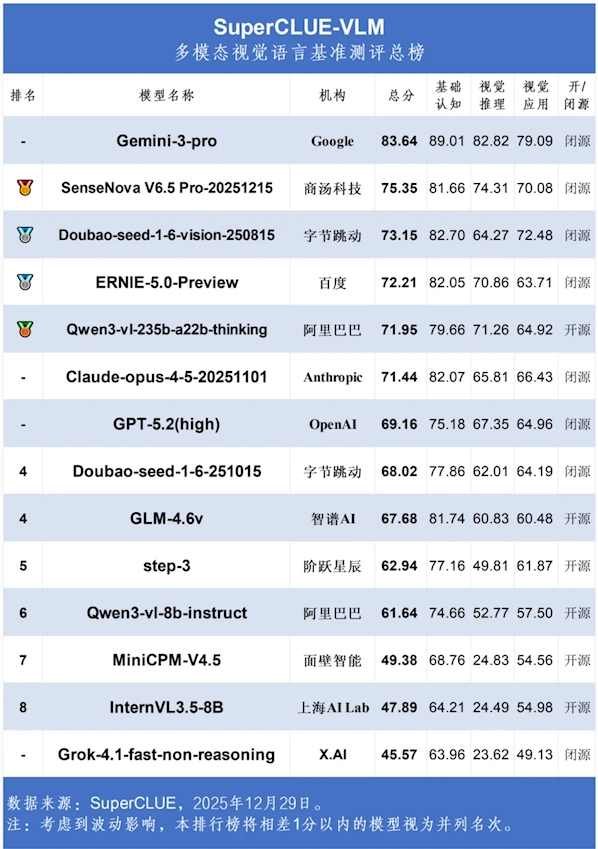
Google's Gemini-3-Pro dominates the latest multimodal AI rankings with an impressive 83.64 score, while Chinese models from ByteDance and SenseTime show strong progress. The evaluation reveals surprising gaps between tech giants, with OpenAI's GPT-5.2 unexpectedly trailing behind. Notably, Alibaba's Qwen3-VL becomes the first open-source model to break the 70-point barrier.

December 31, 2025
AI RankingsMultimodal AIComputer Vision
Apple's STARFlow-V shakes up video AI with groundbreaking approach
News

Apple's STARFlow-V shakes up video AI with groundbreaking approach

Apple has unveiled STARFlow-V, its innovative video generation model that challenges current industry standards. Unlike competitors relying on diffusion models, Apple's solution uses normalizing flow technology to create smoother, more stable videos in a single step. While currently producing lower resolution footage at 16fps, the system shows promise for long-form content creation and editing tasks.

December 8, 2025
AI Video GenerationApple TechnologyMachine Learning