Claude's ID Check Sparks User Backlash: Privacy Fears and Account Bans
AI Giant's Tough Love: Claude Users Face Strict ID Checks
Anthropic's popular AI assistant Claude just rolled out a controversial new requirement - users must now verify their identity by taking real-time photos holding government-issued IDs. No digital copies or scans allowed - you'll need to physically hold your passport, driver's license or national ID card for the camera.
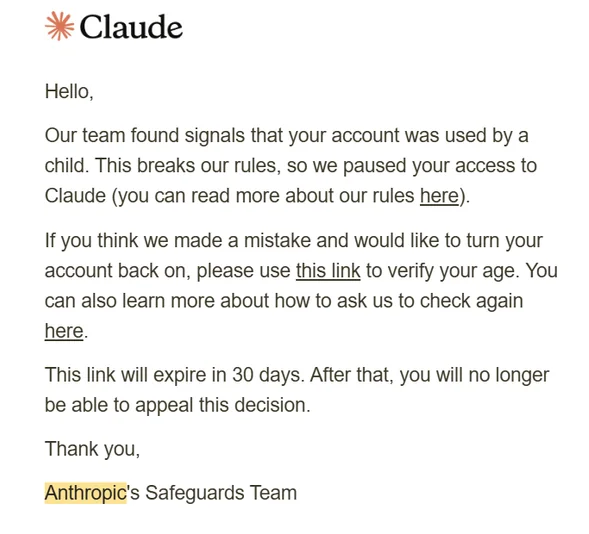
This verification, processed by third-party company Persona in about five minutes, has become a flashpoint for user frustration. Many report it feels less like security and more like a trap - several accounts got suspended shortly after verification.
The Fine Print That's Catching Users Off Guard
Claude's FAQ lists several suspension triggers: repeated policy violations, accessing from unsupported locations, terms of service breaches, and - most controversially - being under 18. Persona's privacy policy reveals user data may be shared with 17 sub-processors, raising eyebrows about how securely this sensitive information gets handled.
One user, llm_nerd, shared how his 15-year-old son - a paying Claude Max subscriber and successful game developer - lost access despite demonstrating legitimate use. "He was earning more than me through his programming projects," the father lamented. Anthropic's refund notice simply stated: "We detected your account was used by a child."
Security Measures or Overreach?
Ironically, when questioned about the policy, Claude's Opus4.6 model called static ID photos the "weakest link" in their security, citing existing protections like payment verification and behavior monitoring. The 18+ age limit (compared to OpenAI and Gemini's 13+) also puzzles users. Some joke it creates perverse incentives - why pay when pretending to be a minor might get you free access?
Key Points:
- Strict photo verification requiring physical ID documents raises privacy concerns
- Account suspensions following verification create distrust in the process
- 18+ age policy appears particularly harsh compared to competitors
- Teen developers caught in crossfire despite legitimate professional use
- Data sharing with multiple processors adds to security worries