China Sounds Alarm as Token Usage Soars to 140 Trillion Daily

China's Token Boom Brings Security Headaches

China's digital landscape is experiencing an unprecedented surge in token usage, with daily transactions now exceeding 140 trillion. But this explosive growth comes with serious security concerns that have authorities sounding the alarm.

The Rise of AI's Smallest Building Blocks

Tokens - those fundamental units powering everything from ChatGPT responses to blockchain transactions - have officially entered China's tech lexicon. The National Data Administration recently formalized their status as measurable, quantifiable, and tradable assets in our AI-driven world.

"What started as simple text generators has ballooned into a full-fledged digital economy," explains cybersecurity expert Dr. Li Wen. "Tokens now authenticate identities, secure transactions, and even represent ownership rights."

The numbers tell a staggering story: since early 2024, token usage has multiplied over a thousandfold. What was once niche tech jargon now underpins massive sectors of China's digital infrastructure.

Shadows in the Digital Gold Rush

But where there's money, criminals follow. Security agencies report sophisticated attacks targeting tokens through:

  • Wi-Fi sniffing at public hotspots
  • Cross-site scripting that hijacks browser sessions
  • Phony investment schemes promising token-based riches

"A stolen token is like giving away your digital DNA," warns Ministry spokesperson Zhang Wei. "Attackers can impersonate you completely - accessing private data, emptying accounts, even taking loans in your name."

The lack of universal encryption standards compounds these risks. Unlike traditional financial systems with built-in safeguards, many token platforms remain vulnerable to forgery and manipulation.

Protecting Your Digital Footprint

Facing these threats, officials recommend concrete protective measures:

  1. Verify service providers - Stick to officially licensed platforms with robust security audits
  2. Enable two-factor authentication - That extra verification step blocks most automated attacks
  3. Avoid public Wi-Fi for sensitive transactions - Wait until you're on a secured network
  4. Beware of 'get rich quick' schemes - If it sounds too good to be true, it probably is

The crackdown marks a strategic shift in China's tech oversight - from regulating big AI models to scrutinizing their microscopic components. As tokens become the lifeblood of digital commerce, ensuring their security isn't just about protecting individuals; it's safeguarding the foundation of tomorrow's economy.

Key Points:

  • Daily token usage exceeds 140 trillion in China
  • Official recognition brings both legitimacy and risks
  • Security threats range from identity theft to financial fraud
  • Users advised to adopt stronger authentication measures
  • Regulatory focus expands to micro-level data units
Enjoyed this article?

Subscribe to our newsletter for the latest AI news, product reviews, and project recommendations delivered to your inbox weekly.

Weekly digestFree foreverUnsubscribe anytime

Related Articles

News

OpenAI's Stealth Funding of Child Safety Group Raises Eyebrows

A new child safety alliance pushing for AI regulations has come under scrutiny after revelations that OpenAI secretly bankrolled the effort. Several organizations joined what they thought was an independent coalition, only to discover the tech giant's involvement later. Critics argue this lack of transparency could undermine trust in the policy process as states consider new AI laws affecting children.

April 3, 2026
OpenAIAI regulationchild safety
China's Broadcast Industry Cracks Down on AI-Generated Celebrity Impersonations
News

China's Broadcast Industry Cracks Down on AI-Generated Celebrity Impersonations

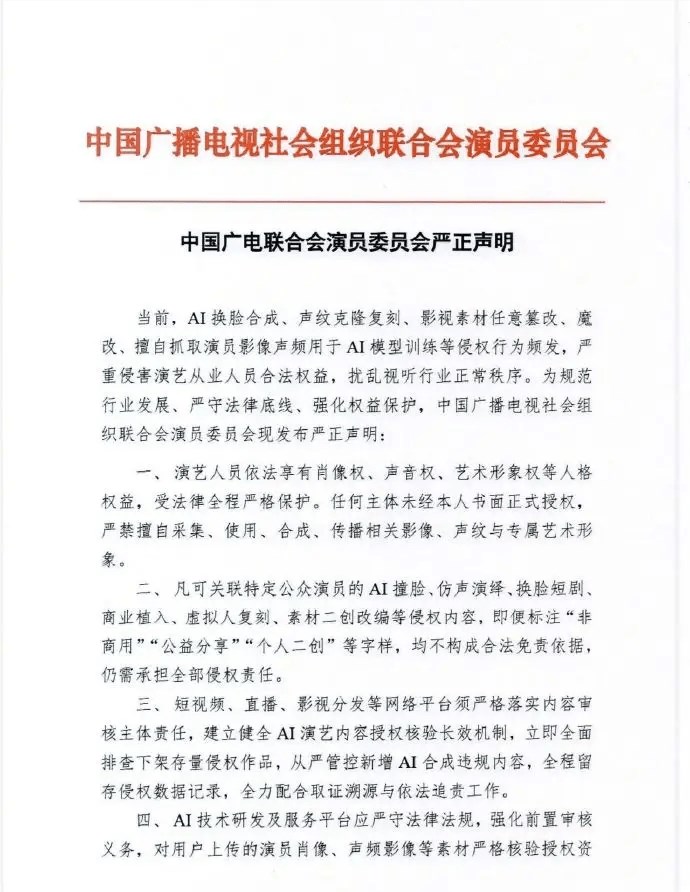
China's entertainment industry is taking a stand against unauthorized AI impersonations of actors. The China Radio and Television Association has issued strict new rules banning face-swapping and voice cloning without explicit permission. Platforms must now verify content authenticity, while the association pledges to monitor and remove infringing material. This move highlights growing concerns about digital identity protection in the age of advanced AI technologies.

April 3, 2026
AI regulationdigital rightsentertainment industry
China's Entertainment Industry Cracks Down on Unauthorized AI Manipulation of Performers
News

China's Entertainment Industry Cracks Down on Unauthorized AI Manipulation of Performers

China's entertainment industry is taking a stand against the growing misuse of AI technology. The Actors Committee has issued a firm statement banning unauthorized face-swapping, voice cloning, and other digital manipulations of performers' likenesses. This comes as voice actors and celebrities increasingly find their digital identities being hijacked by cheap AI tools. The new guidelines clarify legal responsibilities and require platforms to implement better content verification systems.

April 2, 2026
AI regulationentertainment industrydigital rights
Experts Sound Alarm as AI Videos Flood Kids' YouTube
News

Experts Sound Alarm as AI Videos Flood Kids' YouTube

More than 200 child development experts have united to challenge YouTube over its recommendation of AI-generated content to young viewers. Their open letter compares the platform's current approach to an 'uncontrolled experiment' that could harm children's cognitive development. While YouTube defends its labeling policies, critics argue these measures fail to protect pre-literate toddlers from what they call 'digital landfills' of low-quality content.

April 2, 2026
child developmentAI regulationdigital parenting
The Rise of AI 'Crabs': Navigating the OpenClaw Agent Landscape
News

The Rise of AI 'Crabs': Navigating the OpenClaw Agent Landscape

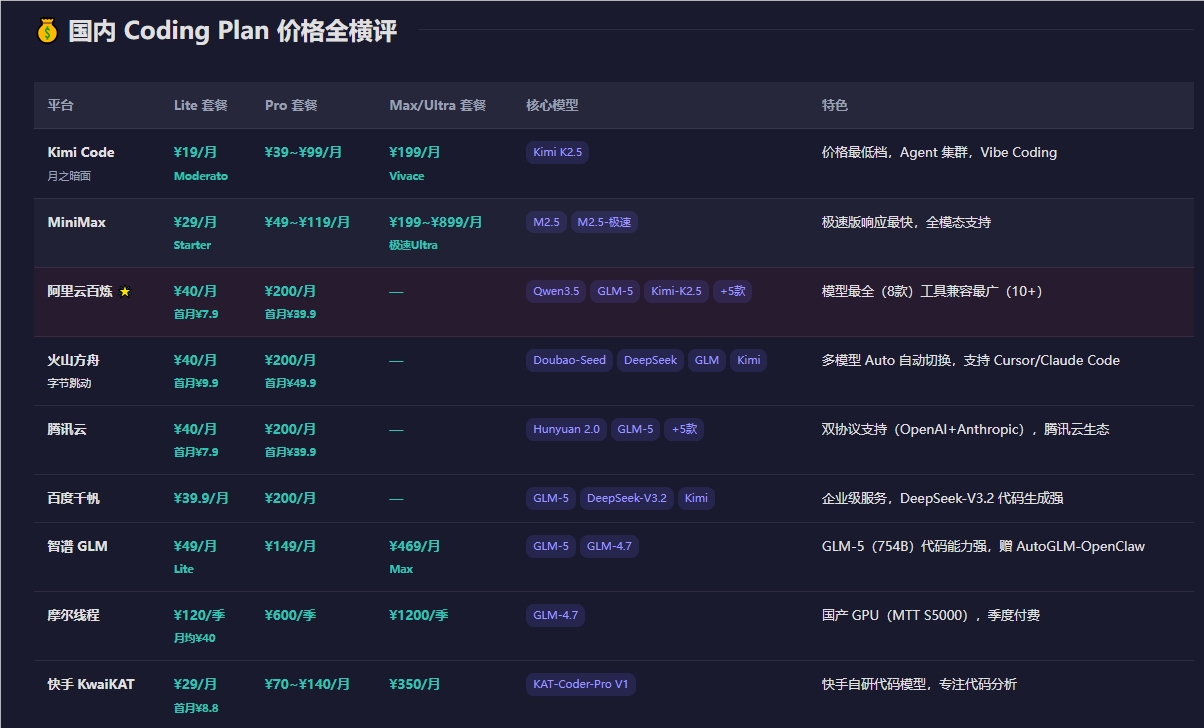
The AI world is buzzing with 'crabs' - not the seafood, but a new wave of intelligent agents that can actually perform tasks, not just suggest them. With over 20 options flooding the market, from budget-friendly to premium, choosing the right one isn't as simple as it seems. We break down the three main camps vying for dominance and share crucial tips to avoid privacy pitfalls and billing surprises in this rapidly evolving space.

March 31, 2026
AI automationOpenClawintelligent agents
China Sets New Standards for AI-Generated Official Documents
News

China Sets New Standards for AI-Generated Official Documents

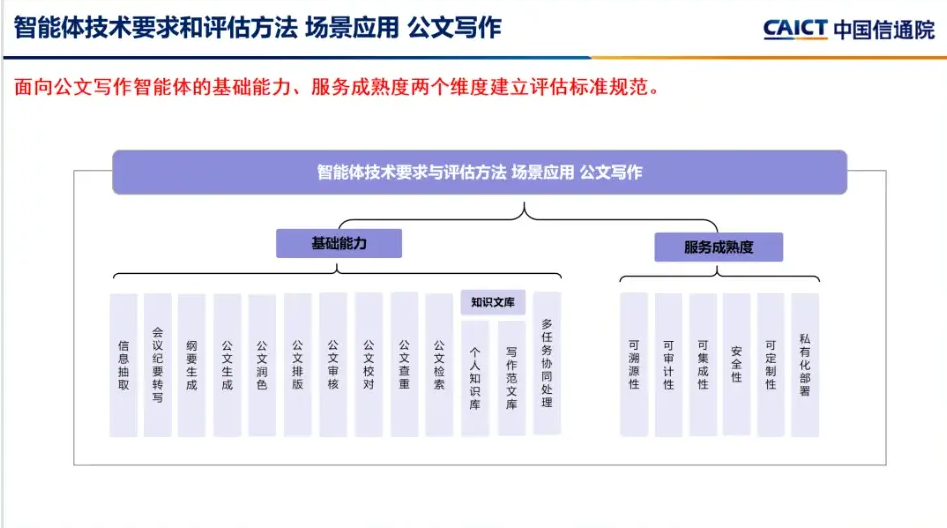
As AI writing tools flood government offices, China's tech authority steps in to ensure quality. The China Academy of Information and Communications Technology has launched the first national evaluation system for AI document writing. This initiative brings together tech leaders like iFLYTEK to create standards covering everything from meeting minutes to final approvals. The first ratings will help organizations cut through marketing hype when choosing these increasingly essential tools.

March 31, 2026
AI regulationgovernment technologydocument automation