
Claude Code Leak: How a Simple Mistake Exposed AI's Dirty Secret

When AI Security Falters to Human Error
Image

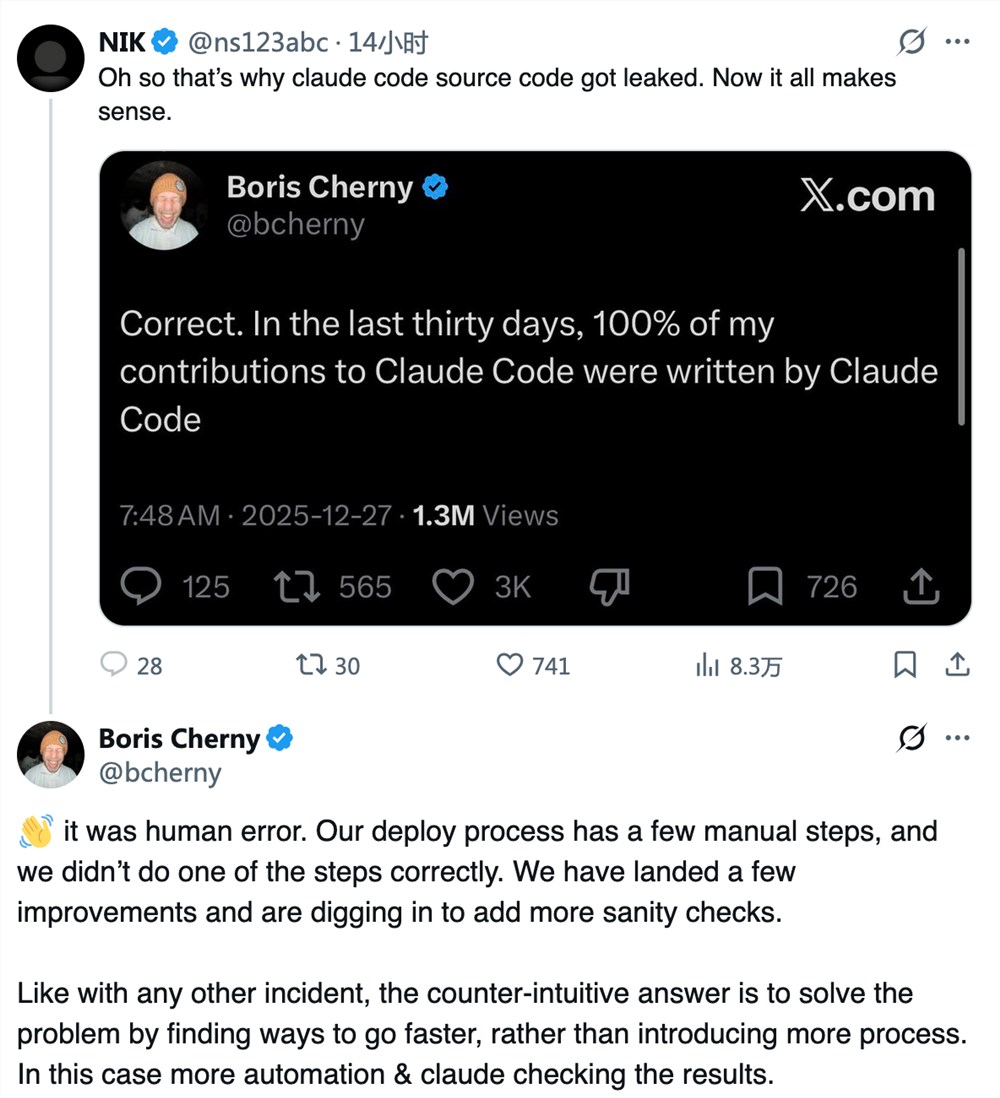
In a twist that reads like tech industry satire, Anthropic's Claude Code - an advanced AI coding assistant - had its source code exposed through one of the oldest mistakes in software development: someone forgot to check what went into the production package.

The Leak That Shouldn't Have Happened

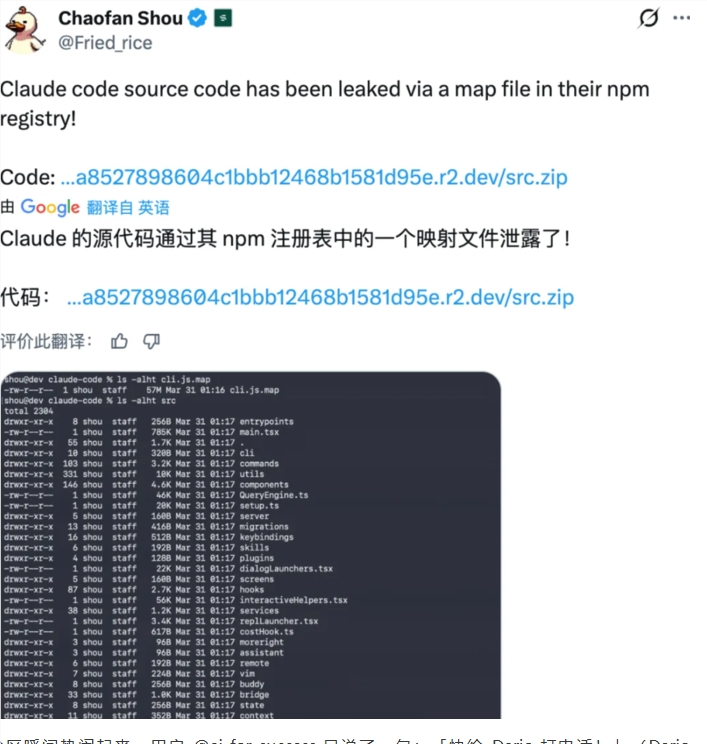
Boris Cherny, a core developer at Anthropic, confirmed on April 1st (though this was no joke) that the leak resulted from including an unobfuscated MAP file during deployment. This file essentially provided a treasure map to Claude Code's internal architecture, allowing any curious developer to reverse-engineer its secrets.

"It was like shipping a car with the blueprints taped to the windshield," one security expert quipped when we reached out for comment.

Damage Control Mode

The aftermath saw Anthropic scrambling:

  • GitHub purge: Over 8,100 repositories containing leaked code received DMCA takedown notices
  • Process overhaul: Manual deployment steps being replaced with automated checks (ironically using Claude Code itself)
  • Cultural shift: Moving from blame culture to systemic solutions

"We're treating this as what it is - not an individual's failure but a system's weakness," Cherny explained. "The solution isn't more checklists; it's removing human uncertainty through better automation."

The Bigger Picture: AI's Deployment Blind Spot

The incident exposes an uncomfortable truth in AI development: while companies race to build increasingly sophisticated models, fundamental engineering practices sometimes lag behind. It's not the first time - OpenAI faced similar challenges in its early days.

For developers, the leak became an impromptu masterclass in AI architecture. "It's like getting the recipe for Coca-Cola," said one programmer who asked to remain anonymous. "Except in this case, Coke accidentally mailed it to everyone."

But beyond the short-term excitement lies a serious warning. As companies push toward AGI (Artificial General Intelligence), basic security hygiene can't become collateral damage in the rush to innovate.

Key Points:

  • Root cause: Unobfuscated MAP file included in production deployment
  • Response: Mass DMCA takedowns and deployment process automation
  • Irony: AI coding assistant compromised by basic deployment mistake
  • Industry trend: Highlights recurring tension between rapid iteration and security in AI development
Enjoyed this article?

Subscribe to our newsletter for the latest AI news, product reviews, and project recommendations delivered to your inbox weekly.

Weekly digestFree foreverUnsubscribe anytime

Related Articles

Anthropic's Code Leak Exposes AI Secrets and Surprise Features
News

Anthropic's Code Leak Exposes AI Secrets and Surprise Features

AI company Anthropic is facing a major security breach after accidentally exposing 500,000 lines of source code for its Claude Code tool. The leak revealed not just technical secrets, but also unreleased features like digital pets and 'dreaming' AI capabilities. While the company scrambled to contain the damage, the incident raises serious questions about AI safety practices in the fast-moving tech industry.

April 1, 2026
AI SecurityAnthropicCode Leak
News

Anthropic's Safety Reputation Takes a Hit After Back-to-Back Data Leaks

Anthropic, the AI company that built its reputation on safety, has suffered two major security breaches in just one week. First came the accidental release of 3,000 internal documents, followed by an even more damaging leak of over 512,000 lines of source code due to a packaging error. These incidents have raised serious questions about the company's internal controls while inadvertently revealing the strength of its Claude Code technology - so impressive it reportedly pushed OpenAI to temporarily shelve its Sora video tool.

April 1, 2026
AI SecurityData BreachTech Competition
News

Mercor's Open-Source Project Hit by Hackers, Exposing AI Security Risks

AI unicorn Mercor has confirmed a security breach affecting its widely-used LiteLLM open-source project. Hackers injected malicious code into the system, impacting thousands of businesses that rely on the tool. The attack, linked to TeamPCP, comes as ransom group Lapsus$ claims to have stolen internal company data. While Mercor has taken swift action to contain the damage, the incident highlights growing concerns about vulnerabilities in AI infrastructure.

April 1, 2026
AI SecurityCybersecurityOpen-Source Risks
Engineer's Firing Claim Turns Out to Be Clever Marketing Stunt
News

Engineer's Firing Claim Turns Out to Be Clever Marketing Stunt

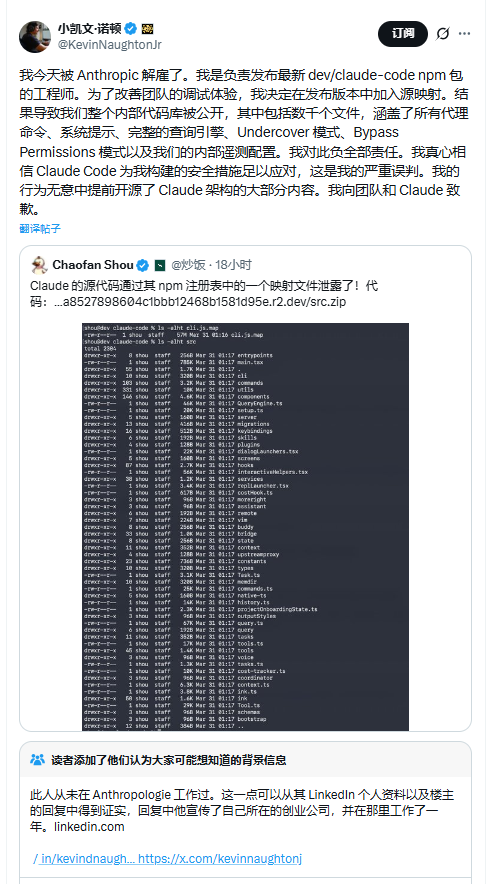
In a bizarre twist to the Anthropic source code leak saga, the engineer who claimed responsibility for the incident was revealed to be an outsider running an elaborate marketing campaign. While the 'firing' story was fabricated, the actual code leak exposed vulnerabilities in Anthropic's systems and revealed cutting-edge AI features. This incident highlights how real tech issues can get hijacked for personal gain in today's attention economy.

April 1, 2026
AnthropicAI securitytech marketing
News

AI Gateway Firm LiteLLM Cuts Ties Amid Compliance Scandal

Popular AI gateway developer LiteLLM has severed ties with compliance partner Delve following allegations of fraudulent security certifications. The move comes after a credential theft attack exposed vulnerabilities, prompting LiteLLM to seek new certification through competitor Vanta. The scandal highlights growing industry concerns about genuine security versus paper compliance in the AI sector.

March 31, 2026
AI SecurityCompliance ScandalTech Partnerships
News

Alibaba AI Lab Uncovers Critical Flaws in OpenClaw Framework

Alibaba's AI Security Lab recently conducted an in-depth audit of the open-source autonomous agent framework OpenClaw, uncovering 33 security vulnerabilities. Within days of their report, developers patched eight critical flaws including one severity level 1 vulnerability. This swift response highlights growing industry concerns about AI security as autonomous systems become more prevalent.

March 30, 2026
AI SecurityOpenClawCybersecurity