
China Tightens Rules on Live Commerce: AI Hosts Now Come With Accountability

China Implements Sweeping Regulations for Live Commerce

The days of unchecked growth in China's booming live-streaming e-commerce industry are officially over. On January 7th, regulators unveiled comprehensive new rules that reshape how digital storefronts operate.

Clear Rules for All Players

The joint regulations from the State Administration for Market Regulation and Cyberspace Administration establish accountability throughout the live commerce ecosystem:

  • Platforms must verify qualifications and protect consumer rights
  • MCN agencies face stricter requirements for talent management
  • Operators need robust identity verification systems

Perhaps most significantly, platforms must now preserve live streams and transaction records for three years - addressing longstanding challenges in evidence collection.

The AI Host Question Solved

The regulations provide much-needed clarity around digital influencers:

"When viewers interact with what appears to be a human host, they deserve to know if they're actually talking to algorithms," explains e-commerce analyst Li Wei. The rules mandate continuous disclosure during streams featuring AI-generated presenters.

More importantly, operators can no longer use artificial intelligence as a legal shield. If digital hosts violate laws or regulations, their human overseers bear full responsibility.

Enforcement With Teeth

The framework introduces innovative enforcement mechanisms:

  1. Traffic penalties: Violators face reduced visibility through platform interventions like warnings or suspensions
  2. Merchant accountability: Businesses can't disappear - platforms must ensure contact information remains current or impose penalties
  3. Transparency requirements: Consumers gain clearer information about who (or what) they're dealing with online

The changes reflect regulators' growing sophistication in addressing digital commerce challenges while fostering continued innovation.

Key Points:

  • Three-year data retention requirement helps preserve evidence
  • Digital hosts require clear AI disclosure during streams
  • Operators assume legal liability for AI presenter actions
  • "Traffic supervision" creates real consequences for violations
  • Merchants must maintain accurate contact information
Enjoyed this article?

Subscribe to our newsletter for the latest AI news, product reviews, and project recommendations delivered to your inbox weekly.

Weekly digestFree foreverUnsubscribe anytime

Related Articles

News

Xiaohongshu Tightens Rules on AI Content: Label or Lose Visibility

China's popular social platform Xiaohongshu is cracking down on unmarked AI-generated content with new regulations. Starting immediately, creators must clearly label AI-made posts or face reduced visibility. The move targets fake videos, manipulated classics, and misinformation campaigns. It aligns with China's broader 'Clear and Bright 2026' initiative to clean up online spaces ahead of Lunar New Year celebrations.

February 13, 2026
AI regulationcontent moderationsocial media
Qwen and Ant Afu Dominate App Store Charts Amid Health Campaigns
News

Qwen and Ant Afu Dominate App Store Charts Amid Health Campaigns

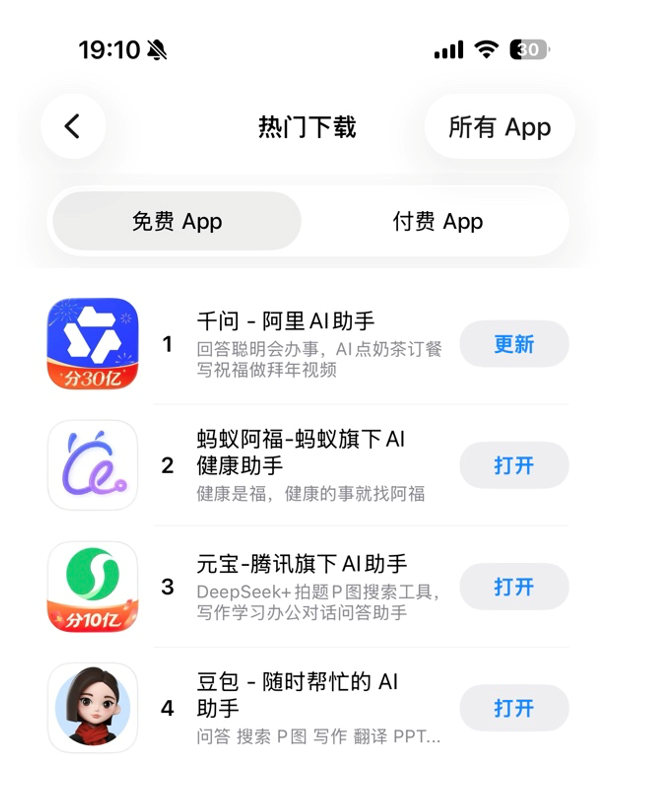
China's Apple App Store witnessed a dramatic surge in downloads for Qwen and Ant Afu this week, propelling both apps to the top spots. The sudden popularity comes as Qwen runs a tea-ordering promotion while Ant Afu partners with CCTV's Healthy Life program. Since its December update, Ant Afu has expanded its healthcare network to connect users with 300,000 doctors nationwide.

February 11, 2026
mobile appsdigital healthChina tech
News

China Unveils Groundbreaking AI Models for Pear and Soybean Farming

China's agricultural sector takes a leap forward with the launch of two specialized AI models - 'Lixiang' for pear cultivation and 'Fengshu' for soybean farming. Developed by Anhui Agricultural University, these tools promise to revolutionize traditional farming methods by applying cutting-edge technology to age-old challenges. From speeding up breeding cycles to predicting crop traits with 90% accuracy, these innovations could reshape how we grow staple crops.

February 11, 2026
agricultural technologyAI innovationfood security
News

UN Forms AI Safety Panel with Chinese Experts on Board

The United Nations has taken a significant step toward global AI governance by establishing an International Scientific Expert Group on AI Safety. Two prominent Chinese scientists specializing in AI ethics and technical safety have been selected for this inaugural panel. The group will assess emerging AI risks and provide policy recommendations, marking China's growing influence in shaping international AI standards.

February 6, 2026
AI governanceUnited NationsChina tech
News

China Unveils Massive 30,000-Card AI Supercluster

China has taken a giant leap in AI computing power with the launch of its first 30,000-card supercluster at Zhengzhou's National Supercomputing Internet hub. This massive computing pool, developed by Sunway in record time, supports trillion-parameter models and promises revolutionary breakthroughs across scientific fields. The system's open architecture makes it surprisingly accessible while offering unprecedented scalability.

February 6, 2026
AI infrastructurehigh-performance computingChina tech
News

Zhiyuan Robotics Plants Flag in Chengdu with AI Hardware Venture

Chinese robotics firm Zhiyuan has launched a new AI-focused subsidiary in Chengdu, signaling ambitious expansion plans. The wholly-owned unit will specialize in AI hardware sales and platform development, capitalizing on Chengdu's growing tech ecosystem. This strategic move comes as demand surges for AI solutions across Chinese industries.

February 2, 2026
AI hardwareindustrial roboticsChina tech