Zhiyuan Robotics Plants Flag in Chengdu with AI Hardware Venture

Zhiyuan Robotics Expands Southwest Presence with Chengdu Subsidiary

Chinese robotics specialist Zhiyuan Robotics has planted its flag in China's southwest with the establishment of Zhiyuan Innovation (Chengdu) Technology Co., marking its latest push into artificial intelligence markets.

The new entity, registered earlier this month according to corporate records, will focus squarely on artificial intelligence applications - from hardware sales to developing public data platforms. Its creation underscores how Chinese tech firms are racing to capitalize on booming demand for AI solutions across manufacturing, logistics and service industries.

Strategic Positioning

Chengdu represents a calculated choice for expansion. The Sichuan provincial capital has emerged as China's "Silicon Valley of the West," offering:

  • A deep pool of engineering talent from local universities
  • Competitive operating costs compared to coastal tech hubs
  • Government incentives for high-tech investment

"This isn't just about planting a flag," observed tech analyst Li Wei. "Zhiyuan sees real potential in serving southwest China's manufacturing base while tapping Chengdu's research ecosystem."

The subsidiary falls under Shanghai-based Zhiyuan Innovation Science and Technology, itself an affiliate of parent company Zhiyuan Robotics.

Market Opportunities

The launch comes as Chinese enterprises accelerate adoption of:

  • AI-driven automation for factories and warehouses
  • Predictive maintenance systems using machine learning
  • Computer vision solutions for quality control

Industry forecasts suggest China's AI hardware market could grow at 28% annually through 2030. Much of that demand springs from smaller inland cities now playing catch-up with digital transformation.

"We're seeing particularly strong interest from automotive suppliers and electronics manufacturers," noted Zhiyuan spokesperson Zhang Ying. "These sectors need affordable, practical AI solutions they can implement quickly."

Looking Ahead

The company plans to:

  1. Roll out new product lines tailored for mid-market manufacturers
  2. Establish partnerships with Sichuan University and other research institutions
  3. Develop customized solutions combining robotics and AI analytics
  4. Expand local technical support and training capabilities

The move positions Zhiyuan alongside domestic rivals like Ubtech and DJI in competing for China's next wave of industrial automation spending.

Key Points:

  • New subsidiary focuses on AI hardware sales and platform development
  • Chengdu offers talent pool and proximity to southwest industrial base
  • Part of broader push into artificial intelligence applications
  • Comes amid surging demand for factory automation solutions
Enjoyed this article?

Subscribe to our newsletter for the latest AI news, product reviews, and project recommendations delivered to your inbox weekly.

Weekly digestFree foreverUnsubscribe anytime

Related Articles

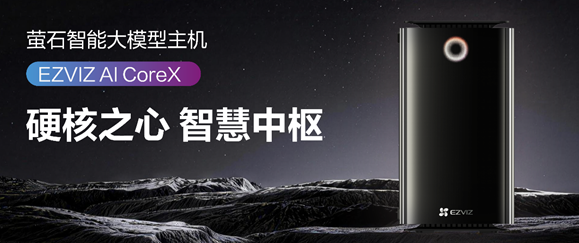
EZVIZ Brings 64T Computing Power to Your Living Room with AI Core X
News

EZVIZ Brings 64T Computing Power to Your Living Room with AI Core X

EZVIZ has unveiled its groundbreaking AI Core X smart host, packing 64 Tops of edge computing power into a sleek home device. This all-in-one solution combines storage, processing and smart home control, powered by the company's Blue Ocean Large Model 2.0. Forget complicated commands - the system understands natural language and learns your habits over time. With Matter protocol support and robust privacy features, it's set to redefine how we interact with our smart homes.

April 22, 2026
smart homeAI hardwarehome automation
OpenAI Bets Big on Chip Startup Cerebras in $2 Billion AI Hardware Push
News

OpenAI Bets Big on Chip Startup Cerebras in $2 Billion AI Hardware Push

OpenAI has made a strategic $2 billion commitment to AI chip startup Cerebras, marking a bold move to diversify its hardware infrastructure and reduce dependence on NVIDIA. The deal includes stock warrants and funding for specialized data centers, leveraging Cerebras' innovative wafer-scale technology to boost AI performance. This partnership could reshape the competitive landscape of AI computing hardware.

April 17, 2026
AI hardwaresemiconductorsOpenAI
News

Alibaba's HappyHorse gallops ahead in AI video race, topping ByteDance's model

A mysterious new AI model called HappyHorse-1.0 has sprinted to the front of China's text-to-video competition, scoring 1332 on the Elo rating system - nearly 60 points above ByteDance's Dreamina Seedance2.0. Industry insiders suggest the dark horse contender comes from Alibaba's Future Life Lab, now operating under the company's ATH business group. With Alibaba as its first social media follower, this breakthrough signals China's growing strength in sophisticated video generation technology.

April 10, 2026
AI video generationAlibabaHappyHorse
News

Amazon gears up to challenge NVIDIA with its own AI chips

Amazon is making a bold move into the AI chip market, shifting from renting computing power to selling its own hardware directly. With its Trainium chips offering better value and strong demand already lining up, the tech giant is eyeing a $50 billion revenue opportunity. This strategic pivot could reshape the AI computing landscape and provide much-needed alternatives to NVIDIA's dominance.

April 10, 2026
AmazonAI chipsNVIDIA
DeepSeek V4 Launch Set for Late April as AI Race Heats Up
News

DeepSeek V4 Launch Set for Late April as AI Race Heats Up

DeepSeek founder Liang Wenfeng has confirmed the company's next-generation AI model, DeepSeek V4, will debut in late April 2026. The launch comes amid significant product enhancements and unexpected service disruptions, setting the stage for a showdown with Tencent's upcoming Hunyuan model. DeepSeek has introduced innovative layered modes prioritizing either speed or expertise, though recent platform stability issues suggest growing pains as the company pushes technological boundaries.

April 10, 2026
DeepSeekAI modelstech competition
News

Dell CEO Sounds Alarm: AI Memory Crisis Looms Until 2028

Dell Technologies CEO Michael Dell warns of a perfect storm in AI memory demand, predicting a staggering 625-fold surge by 2028. As AI accelerators evolve from 80GB to 2TB configurations and global deployments multiply, semiconductor factories can't keep pace. The industry faces at least four more years of shortages despite rising prices and extended wait times, with national AI ambitions further straining supplies.

April 9, 2026
AI hardwaresemiconductor shortageDell Technologies