
China Sets Ground Rules for AI Ethics with New Review Framework

China Implements Ethical Framework for AI Development

In a significant move to govern artificial intelligence development, China has rolled out new ethical review measures that could shape how AI evolves within its borders. The "Interim Measures for the Ethics Review and Service of Artificial Intelligence Technology" represents the country's most comprehensive attempt yet to balance technological progress with ethical considerations.

Structured Approach to AI Governance

The framework establishes clear procedures for reviewing AI projects before they reach implementation. Developers will need to submit applications through their organization's ethics committee or designated review centers. What makes this system unique is its multi-layered evaluation process, which includes initial screening, detailed assessment, and expert re-examination when needed.

Key areas under scrutiny include:

  • Systems integrating human and machine intelligence
  • Algorithmic models capable of influencing public opinion
  • Highly autonomous decision-making platforms

Building Ethical Safeguards

Beyond just establishing review procedures, the measures push companies to develop their own internal ethics service systems. This dual approach - combining government oversight with corporate responsibility - aims to embed ethical considerations throughout the entire development lifecycle.

The guidelines don't just focus on restrictions. They actively encourage innovation through five support mechanisms:

  1. Standardization efforts to create clear benchmarks
  2. Service systems providing guidance to developers
  3. Incentives for ethical innovation projects
  4. Public education initiatives about AI ethics
  5. Specialized training programs for ethics professionals

Enforcement and Future Implications

The document leaves no ambiguity about consequences for violations, stating clearly that breaches will be investigated and handled according to existing laws and regulations. This legal backing gives teeth to what might otherwise remain voluntary guidelines.

While these measures currently carry an "interim" designation, they represent China's most concrete step yet toward comprehensive AI governance. The framework aligns with existing policies while addressing gaps specific to emerging technologies - potentially serving as a model for other nations grappling with similar challenges.

Key Points:

  • New ethical review system establishes mandatory evaluation process for AI projects
  • Multi-stage assessment includes application screening, detailed review, and expert re-examination when needed
  • Focus areas include human-machine systems, opinion-shaping algorithms, and autonomous decision platforms
  • Support measures encourage ethical innovation through standards, services, and training programs
  • Legal enforcement provisions ensure compliance with potential penalties for violations
Enjoyed this article?

Subscribe to our newsletter for the latest AI news, product reviews, and project recommendations delivered to your inbox weekly.

Weekly digestFree foreverUnsubscribe anytime

Related Articles

News

Gemini Gets a Mental Health Lifeline: Google's New Crisis Support Features

Google's Gemini AI assistant is getting a major upgrade focused on mental health support. When detecting distress signals in conversations, it now offers one-tap access to crisis hotlines and professional help. Backed by a $30 million investment and developed with clinical experts, this move signals AI's evolving role from productivity tool to compassionate companion. The features aim to create a digital safety net for vulnerable users while navigating complex privacy and ethical considerations.

April 8, 2026
AI ethicsmental health techGoogle Gemini
News

AI Drama Pulled After Using Faces Without Consent

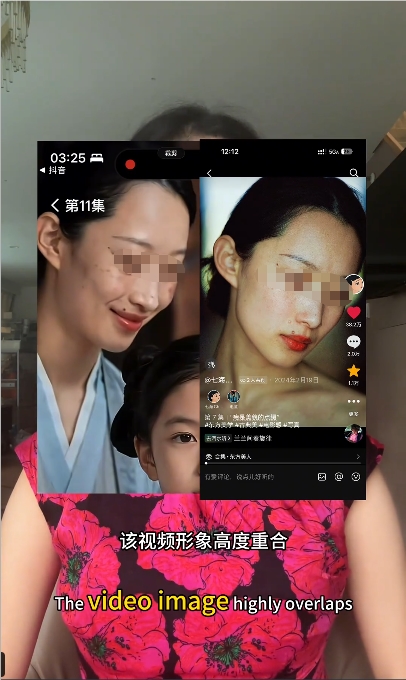
A popular short drama platform has removed 'The Peach Hairpin' after creators allegedly used bloggers' faces without permission. The AI-generated series sparked outrage when models recognized their features in the show. This case highlights growing concerns about digital rights in the age of generative AI, where realistic recreations blur ethical boundaries. Experts warn that even AI-generated likenesses can violate privacy if they're identifiable as real people.

April 3, 2026
AI ethicsdigital rightsshort dramas
News

WeChat Cracks Down on AI-Altered Videos, Removes 3,800 Clips

WeChat has intensified its crackdown on AI-modified videos that distort classic works and historical figures. The platform removed 3,800 violating clips and banned one account after finding content that twisted TV dramas, animated characters, and historical narratives. This move follows national guidelines to protect minors and maintain online order. WeChat urges creators to exercise self-discipline as it enhances its content moderation capabilities.

April 2, 2026
content moderationAI ethicsdigital safety
News

Zhou Shen Takes a Stand: New Song Blocks AI Voice Cloning

Chinese singer Zhou Shen has made waves by embedding a bold copyright notice in his latest release 'Moon Chronicle.' The track explicitly prohibits AI training and voice cloning, setting a new precedent for artist rights in the digital age. This move comes as musicians worldwide grapple with the ethical dilemmas posed by AI-generated music. Industry experts see this as a landmark case that could shape future copyright standards for human-AI collaboration in creative fields.

April 2, 2026
AI ethicsmusic copyrightvoice cloning
Model's Face Stolen by AI in Controversial Drama
News

Model's Face Stolen by AI in Controversial Drama

Fashion model Qihai Christ is fighting back after discovering her likeness was digitally inserted into a villain role in the popular short drama 'Peach Hairpin' without her consent. The unauthorized AI face-swapping has damaged her professional reputation and sparked legal action. This case highlights growing concerns about the ethical use of deepfake technology in entertainment.

April 2, 2026
AI ethicsdigital rightsentertainment law
News

AI Drama Faces Backlash Over Alleged Face Theft from Public Photos

A Red Fruit short drama is under fire for allegedly using AI to steal ordinary people's faces without consent. The controversy erupted when a social media user recognized their photo being used in the production. Industry experts warn this highlights growing legal gray areas as AI technology outpaces regulation, with many celebrities also falling victim to unauthorized face-swapping videos.

March 31, 2026
AI ethicsDigital rightsEntertainment law