China's Open-Source AI Model Qwen Outpaces US Counterparts in Global Adoption

China's Open-Source AI Strategy Gains Global Traction

Recent data reveals a significant shift in the artificial intelligence landscape. Hugging Face statistics show Chinese open-source models surpassed US downloads in July 2025, with Alibaba's Qwen leading the pack. Meanwhile, OpenRouter API calls position Qwen as the second most popular open-source model globally, trailing only Meta's Llama series.

Ecosystem Over Intelligence

Western tech observers are taking notice. Wired magazine recently argued that an AI model's true value lies not just in its capabilities but in its real-world applications. Their analysis suggests OpenAI's GPT-5 launch disappointed developers due to restrictive policies, while Chinese models thrive through openness and practicality.

"Chinese companies demonstrate remarkable transparency," notes Andy Konwinski, Lauder founder and Apache Spark contributor. "They share not just code but detailed technical papers explaining their methods." He specifically praised Qwen researchers for their award-winning NeurIPS paper on dynamic intelligence enhancement during training.

Contrasting Philosophies

The divergence between Chinese and American approaches grows clearer:

  • Chinese Model: Full transparency with commercial-friendly licensing
  • US Approach: Increasing secrecy around architectures and training data

Konwinski observes: "Some American firms seem more concerned about protecting IP than advancing technology collectively."

Why Qwen Succeeds

The model's global appeal stems from:

Comprehensive Offerings

  • Versatile model series covering language, multimodal, and coding applications
  • Complete toolchain lowering deployment barriers Developer Support
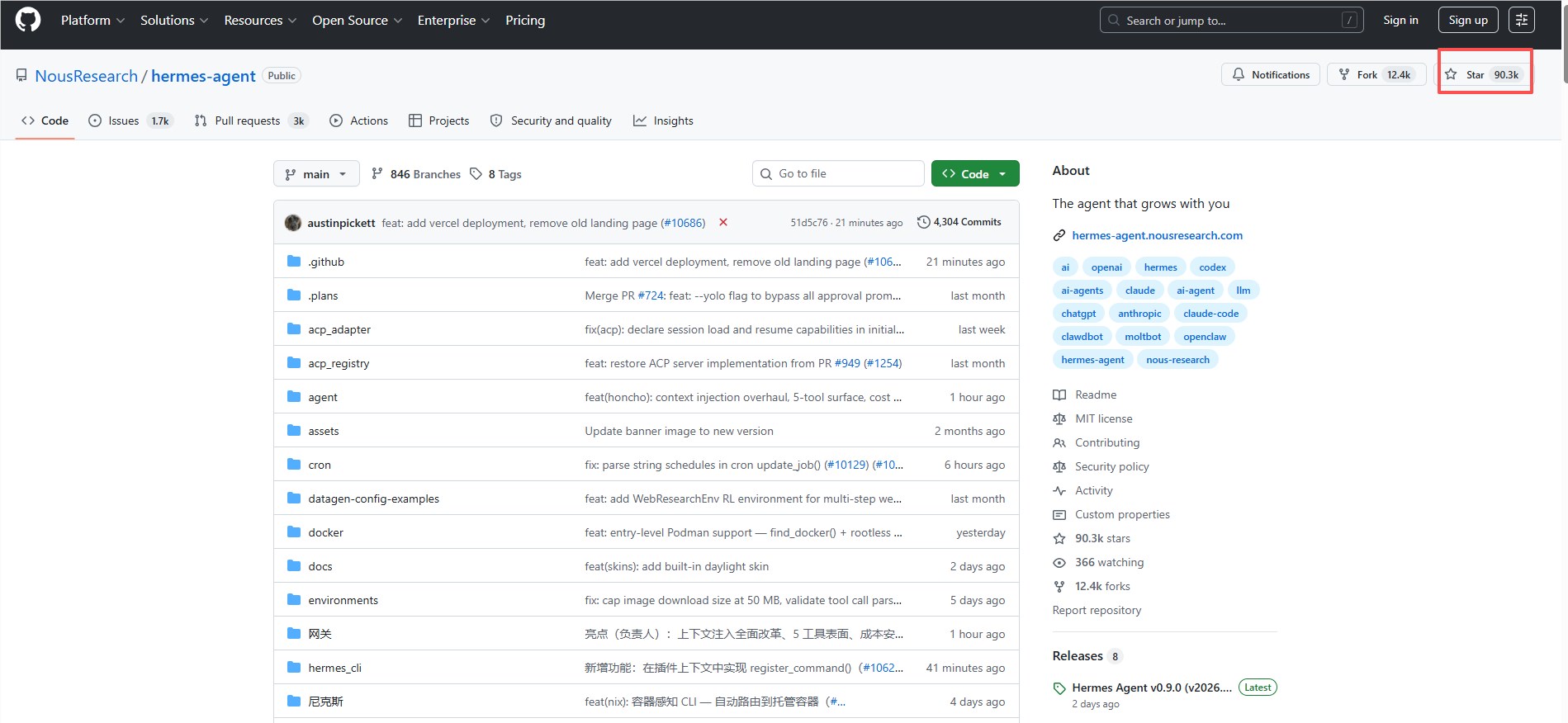
  • Active GitHub community (80K+ stars)
  • Monthly Hugging Face downloads exceeding 10 million Practical Advantages
  • Efficient inference ideal for resource-limited regions
  • Free commercial use accelerating adoption

The result? Developers worldwide are building everything from customer service bots to educational tools atop Qwen's framework.

Key Points:

  1. Market Shift: Chinese open-source models now lead in global downloads
  2. Philosophical Divide: Transparency vs secrecy shaping AI development paths
  3. Ecosystem Matters: Practical deployment trumps raw capability metrics
  4. Developer Choice: Accessible tools and licensing drive Qwen adoption
  5. Future Implications: Open collaboration may redefine technological leadership

Enjoyed this article?

Subscribe to our newsletter for the latest AI news, product reviews, and project recommendations delivered to your inbox weekly.

Weekly digestFree foreverUnsubscribe anytime

Related Articles

Claude Code Gets a Speed Boost: Local AI Development Just Got Faster
News

Claude Code Gets a Speed Boost: Local AI Development Just Got Faster

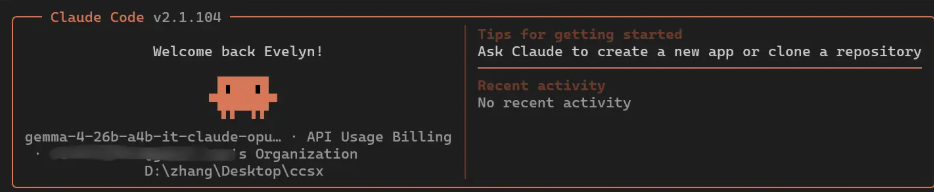
Developers working with Claude Code have discovered a way to dramatically speed up local AI model performance. By integrating a modified version of Gemma 4, tests show generation speeds increasing five to six times compared to the official version. The breakthrough could revolutionize how developers approach AI-powered coding tools, particularly for CRUD applications, while maintaining data privacy through local processing.

April 14, 2026
AI DevelopmentClaude CodeLocal AI
News

AI Clash: Anthropic's Brief Ban on OpenClaw Founder Sparks Debate

A temporary suspension of OpenClaw founder Peter Steinberger's Anthropic account has ignited a heated discussion in the AI community. Lasting just two hours, the ban raised questions about platform policies and the challenges open-source projects face when dealing with major AI providers. While the account was quickly reinstated, the incident highlights growing tensions between commercial AI companies and independent developers in this fast-evolving field.

April 13, 2026
AI GovernanceOpen SourceAnthropic
Superconductor: The Rust-Powered AI Agent Hub That's Changing How Developers Work
News

Superconductor: The Rust-Powered AI Agent Hub That's Changing How Developers Work

A new player has entered the AI coding tools arena, and it's turning heads with its blazing speed and seamless integration. Superconductor, a native Rust-built application, lets developers run multiple AI coding agents simultaneously in one sleek interface. Gone are the days of juggling between different CLI tools - now you can have Claude Code, Gemini CLI, and others working in perfect harmony. With features like isolated Git worktrees, GPU acceleration, and customizable workflows, it's like having a personal coding orchestra at your fingertips.

April 13, 2026
AI DevelopmentRust ProgrammingDeveloper Tools
Xiaomi's AI Model Joins Leading Open-Source Framework with Free Trial
News

Xiaomi's AI Model Joins Leading Open-Source Framework with Free Trial

Xiaomi has integrated its MiMo-V2 AI model series into the Hermes Agent framework, a major player in open-source AI development. Developers can now access Xiaomi's Pro, Omni, and Flash models for free for two weeks. This partnership combines Xiaomi's hardware expertise with Hermes' self-evolving capabilities, offering new possibilities for AI assistants. The move signals a shift in AI competition from conversational quality to execution efficiency.

April 10, 2026
XiaomiAI DevelopmentOpen Source
News

DeepSeek V4 Emerges: A Glimpse Into China's Next-Gen AI Powerhouse

The tech world is abuzz as DeepSeek V4 enters intensive testing, revealing three distinct versions tailored for different needs. From lightning-fast responses to advanced visual analysis, this homegrown AI showcases China's push for technological independence. What makes this release particularly exciting is its deep integration with domestic chips, signaling a strategic move away from foreign dependencies. As the AI arms race heats up, could this be the model that redefines what Chinese-developed artificial intelligence can achieve?

April 8, 2026
AI DevelopmentChinese TechMachine Learning
Cursor 3 Ushers in a New Era of AI-Powered Coding
News

Cursor 3 Ushers in a New Era of AI-Powered Coding

The latest version of Cursor introduces groundbreaking agent autonomy, transforming how developers work. With seamless local-cloud switching and unified workspaces, Cursor 3 lets multiple AI agents collaborate across repositories. The update brings intuitive progress tracking and streamlined code reviews, making it easier than ever to harness AI for programming.

April 3, 2026
AI DevelopmentProgramming ToolsSoftware Innovation