Google AI Studio Now Offers Free Access to Premium Models for Pro Members

Google Levels the Playing Field for AI Developers

In a surprise move that's set to delight the AI community, Google has thrown open the doors to its most advanced language models. Starting today, anyone with a Google AI Pro or Ultra membership can access premium models at no extra cost - no credit cards, no complicated setup, just instant access.
Image

What's in the New Model Lineup?

The real excitement comes from which models are now available. Google isn't just offering basic tools - they're giving members the keys to their most sophisticated systems:

  • Nano Banana2 and Nano Banana Pro for specialized tasks
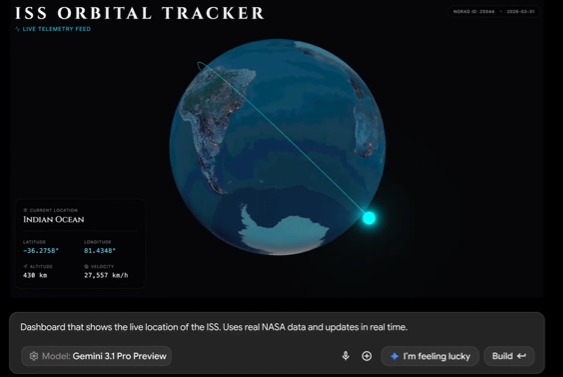
  • The powerful Gemini Pro and other advanced models from the Gemini series

These aren't just demo versions either. Members get full functionality that previously required separate subscriptions or API payments.

Removing the Roadblocks to Innovation

Remember the days of jumping through hoops just to test an AI model? Google's new approach eliminates those frustrations entirely. Gone are the requirements for:

  • Credit card bindings
  • Complex API key generation
  • Lengthy approval processes

Now it's as simple as logging in and starting your project. For developers who've been waiting to experiment with these tools but hesitated due to cost or complexity, this could be the breakthrough moment they've been waiting for.

Why This Matters Now

The timing couldn't be better. As AI development accelerates globally, removing financial and technical barriers helps level the playing field. Smaller teams and individual developers suddenly have access to tools that were previously only affordable for large corporations.

"This is exactly what the developer community needed," says one early tester who asked not to be named. "Having these models available without payment walls means we can prototype faster and push our projects further."

The move also positions Google as more developer-friendly compared to competitors still maintaining complex pricing structures. While other platforms charge per API call or require monthly commitments, Google's approach lets members focus on creation rather than cost calculations.

Ready to explore? Visit Google AI Studio and start building with these premium tools today.

Key Points:

  • Free access now available for Pro/Ultra members to premium Google AI models
  • No credit cards or API keys required - just log in and start creating
  • Includes high-end models like Gemini Pro previously behind paywalls
  • Significant reduction in barriers for developers at all levels
Enjoyed this article?

Subscribe to our newsletter for the latest AI news, product reviews, and project recommendations delivered to your inbox weekly.

Weekly digestFree foreverUnsubscribe anytime

Related Articles

OpenAI's New Toolkit Makes AI Assistants Safer for Businesses
News

OpenAI's New Toolkit Makes AI Assistants Safer for Businesses

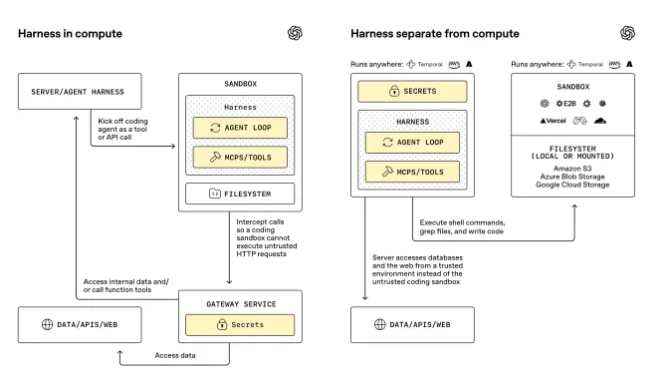
OpenAI has rolled out significant upgrades to its Agents SDK, giving developers better tools to create secure AI assistants. The standout feature is a sandbox environment that prevents unpredictable AI behavior from causing system-wide issues. Businesses can now test AI agents more safely while leveraging OpenAI's models. The update also introduces an integrated framework for smoother development, with Python support available now and TypeScript coming soon.

April 16, 2026
OpenAIAI DevelopmentEnterprise Technology
Alibaba's Qwen3.6-Max-Preview: A Programming Powerhouse Emerges
News

Alibaba's Qwen3.6-Max-Preview: A Programming Powerhouse Emerges

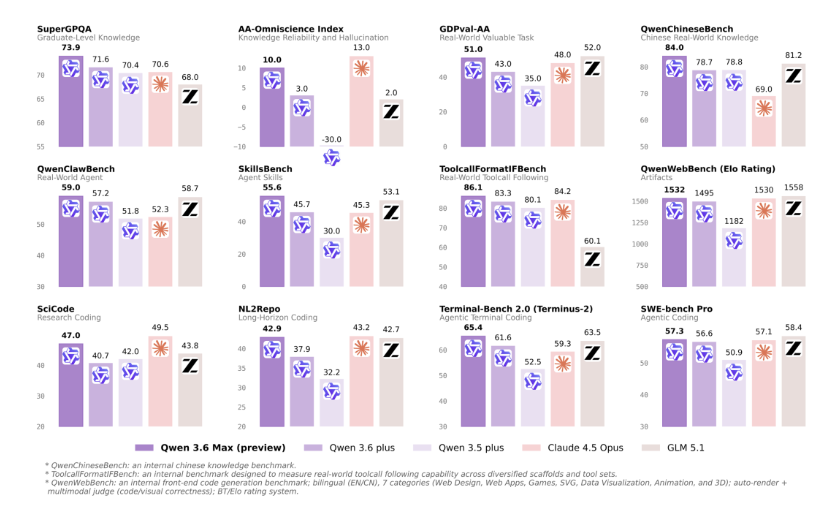
Alibaba has unveiled its latest AI model, Qwen3.6-Max-Preview, setting new standards in programming intelligence. This preview version outperforms its predecessor across multiple benchmarks, particularly in agent programming and world knowledge. While still in development, it's already showing promise as a game-changer for developers seeking advanced AI coding assistance.

April 20, 2026
AI ProgrammingAlibaba CloudQwen Series
GitHub's New Darling: How Hermes Agent Stormed the AI Scene
News

GitHub's New Darling: How Hermes Agent Stormed the AI Scene

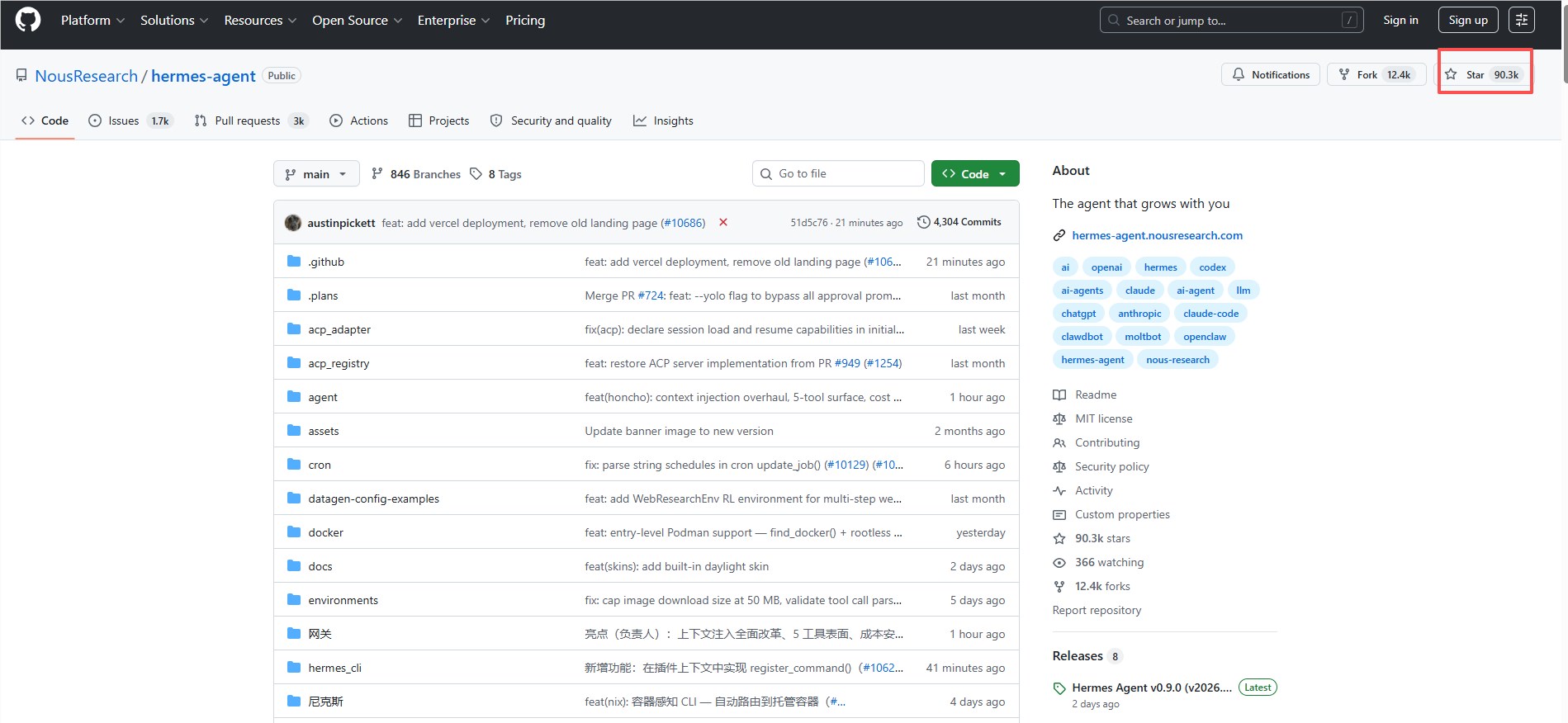
Hermes Agent, an innovative AI project from Nous Research, has taken the developer world by storm, amassing over 90,000 GitHub stars in record time. This 'lone wolf' of AI agents focuses on raw execution power and self-improvement, challenging established players like OpenClaw. Its ability to automatically document and evolve its skills is changing how we think about AI assistants.

April 16, 2026
AI DevelopmentOpen SourceGitHub Trends
News

Xiaohongshu Shakes Up AI World by Open-Sourcing Its Relax Training Engine

In a surprising move, lifestyle platform Xiaohongshu has open-sourced its AI training engine called Relax, designed for multi-modal scenarios. This sophisticated tool handles text, images, audio and video through innovative parallel processing. The unexpected contribution from a non-traditional AI player signals the company's serious ambitions in artificial intelligence development and its desire to build influence in the tech community.

April 15, 2026
AIOpen SourceMachine Learning
Claude Code Gets a Speed Boost: Local AI Development Just Got Faster
News

Claude Code Gets a Speed Boost: Local AI Development Just Got Faster

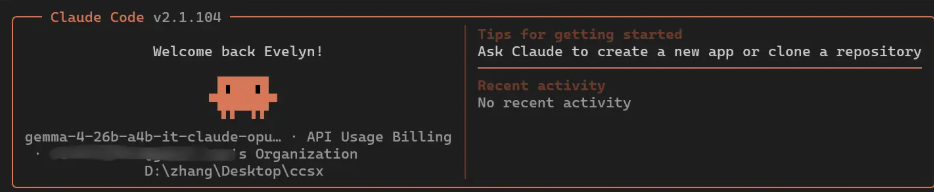
Developers working with Claude Code have discovered a way to dramatically speed up local AI model performance. By integrating a modified version of Gemma 4, tests show generation speeds increasing five to six times compared to the official version. The breakthrough could revolutionize how developers approach AI-powered coding tools, particularly for CRUD applications, while maintaining data privacy through local processing.

April 14, 2026
AI DevelopmentClaude CodeLocal AI
HarmonyGNN: A Breakthrough in AI's Understanding of Complex Relationships
News

HarmonyGNN: A Breakthrough in AI's Understanding of Complex Relationships

A new AI training method called HarmonyGNN is revolutionizing how computers understand complex relationships in data. Developed by researchers at North Carolina State University, this technique helps neural networks better distinguish between different types of connections in graph data, achieving accuracy improvements up to 9.6%. The innovation could have significant implications for fields like drug discovery and weather forecasting.

April 14, 2026
Artificial IntelligenceMachine LearningGraph Neural Networks