Xiaohongshu Shakes Up AI World by Open-Sourcing Its Relax Training Engine

Xiaohongshu Makes Unexpected Leap Into Open Source AI

On April 15, while most tech observers were watching the usual AI giants, Xiaohongshu quietly dropped a bombshell - the lifestyle platform open-sourced its large model reinforcement learning training engine called Relax. This move instantly transformed the social media company into an unlikely player in the AI infrastructure space.

Designed for the Future of AI

Relax isn't your typical text-focused AI tool. The engine is specifically built for multi-modal and Agentic scenarios, meaning it can process and unify various input forms including images, audio, and video. This puts Xiaohongshu squarely where many believe the next AI frontier lies - in systems that understand the world through multiple senses, not just words.

"The decision to focus on multi-modal capabilities from the ground up shows real foresight," says AI researcher Li Wei. "Most companies bolt on these features later, but Xiaohongshu built them into Relax's DNA."

The Tech Behind the Engine

Relax introduces two clever technical innovations:

  • Modal-aware parallelism that intelligently allocates computing power based on whether it's processing text, images or other media
  • End-to-end asynchronous pipelining that keeps training processes flowing smoothly with minimal downtime

Together, these features aim to solve one of the biggest headaches in AI development today - the massive computational demands of training multi-modal systems.

Why This Open Source Move Matters

What makes Xiaohongshu's announcement particularly intriguing is that the company isn't known as an AI infrastructure provider. By releasing Relax publicly, they're making several strategic plays:

  1. Showcasing their behind-the-scenes AI expertise that powers their recommendation systems
  2. Building goodwill with developers who might adopt and improve the technology
  3. Positioning themselves as serious players in the broader AI ecosystem

"This is classic platform strategy," notes tech analyst Mark Chen. "Give away the tools, build a community, and establish yourself as a leader in the space."

The Bigger Picture

Xiaohongshu's move comes as the AI landscape becomes increasingly competitive. While most attention focuses on the big US and Chinese tech giants, this shows how companies outside the traditional AI power centers are making significant contributions. For developers, it means more options. For the industry, it suggests the AI revolution still has plenty of surprises in store.

Key Points:

  • Xiaohongshu unexpectedly open-sourced its Relax AI training engine
  • The technology specializes in multi-modal processing (text, images, audio, video)
  • Features innovative parallel processing and pipeline designs
  • Marks a strategic move by a non-traditional player into AI infrastructure
  • Could accelerate development of multi-modal AI applications
Enjoyed this article?

Subscribe to our newsletter for the latest AI news, product reviews, and project recommendations delivered to your inbox weekly.

Weekly digestFree foreverUnsubscribe anytime

Related Articles

Xiaomi's AI Model Joins Leading Open-Source Framework with Free Trial
News

Xiaomi's AI Model Joins Leading Open-Source Framework with Free Trial

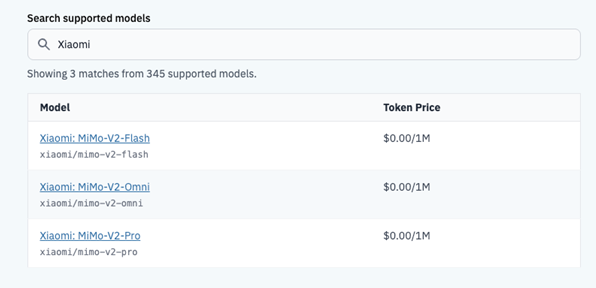
Xiaomi has integrated its MiMo-V2 AI model series into the Hermes Agent framework, a major player in open-source AI development. Developers can now access Xiaomi's Pro, Omni, and Flash models for free for two weeks. This partnership combines Xiaomi's hardware expertise with Hermes' self-evolving capabilities, offering new possibilities for AI assistants. The move signals a shift in AI competition from conversational quality to execution efficiency.

April 10, 2026
XiaomiAI DevelopmentOpen Source
News

NVIDIA Unveils Open-Source Quantum AI Breakthrough, Sparking Market Rally

NVIDIA has made waves in the tech world by releasing Ising, the first open-source quantum AI model series. This groundbreaking development addresses critical challenges in quantum computing, offering researchers tools to build more reliable quantum processors. The announcement sent quantum tech stocks soaring, with some Chinese companies seeing massive fund inflows. The Ising models - one for calibration, another for error correction - promise speeds 2.5 times faster than current standards with a 300% accuracy boost.

April 15, 2026
Quantum ComputingArtificial IntelligenceNVIDIA
Node.js Halts Bug Bounty Program Over AI-Generated Spam
News

Node.js Halts Bug Bounty Program Over AI-Generated Spam

The Node.js project has temporarily suspended its cash rewards for security vulnerabilities after being flooded with low-quality, AI-generated reports. The open-source platform, which relies on community volunteers, found itself overwhelmed by automated submissions that wasted developers' time. While researchers can still report issues, the bounty program remains on hold as the team explores solutions to this growing problem affecting open-source projects worldwide.

April 14, 2026
Node.jsAI SecurityOpen Source
HarmonyGNN: A Breakthrough in AI's Understanding of Complex Relationships
News

HarmonyGNN: A Breakthrough in AI's Understanding of Complex Relationships

A new AI training method called HarmonyGNN is revolutionizing how computers understand complex relationships in data. Developed by researchers at North Carolina State University, this technique helps neural networks better distinguish between different types of connections in graph data, achieving accuracy improvements up to 9.6%. The innovation could have significant implications for fields like drug discovery and weather forecasting.

April 14, 2026
Artificial IntelligenceMachine LearningGraph Neural Networks
News

OsChina Secures Major Funding to Power China's AI Development

Open source platform OsChina has landed hundreds of millions in new funding to accelerate its AI infrastructure development. The investment will boost its model hosting platform and talent development programs, strengthening China's position in the global AI race. With over 10,000 models already hosted, OsChina is building what analysts call an 'ecosystem moat' in the competitive AI landscape.

April 14, 2026
AI InfrastructureOpen SourceTech Investment
News

AI Clash: Anthropic's Brief Ban on OpenClaw Founder Sparks Debate

A temporary suspension of OpenClaw founder Peter Steinberger's Anthropic account has ignited a heated discussion in the AI community. Lasting just two hours, the ban raised questions about platform policies and the challenges open-source projects face when dealing with major AI providers. While the account was quickly reinstated, the incident highlights growing tensions between commercial AI companies and independent developers in this fast-evolving field.

April 13, 2026
AI GovernanceOpen SourceAnthropic