China's Elite Universities Race to Train Next Generation of Robot Whisperers
China Bets Big on Embodied Intelligence Education
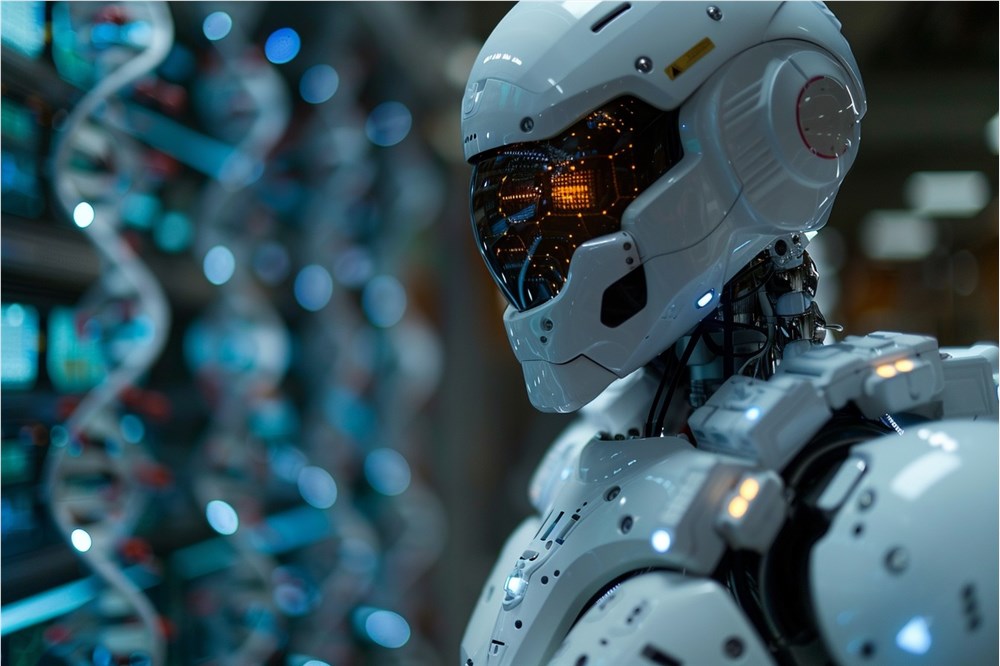
The lecture halls of China's most prestigious universities might soon echo with discussions about robot emotions and mechanical limbs. Seven academic powerhouses - including Shanghai Jiao Tong University and Zhejiang University - have submitted ambitious proposals to establish China's first undergraduate programs specializing in embodied intelligence.
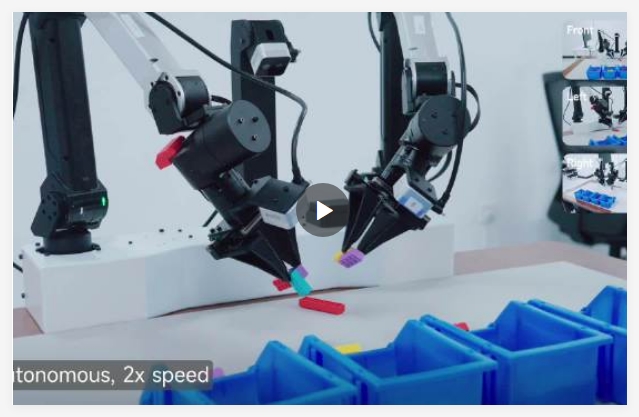
This cutting-edge discipline marries artificial intelligence with robotics, creating systems that perceive, learn from, and physically interact with their environments. Think humanoid robots that don't just crunch numbers but navigate crowded streets, or manufacturing arms that adapt their grip mid-task like seasoned artisans.
Addressing a Critical Talent Gap
The timing couldn't be more urgent. Beijing Institute of Technology's application materials reveal a startling statistic: China currently faces a shortage of about one million professionals in this field. Industry forecasts paint an even starker picture - the embodied intelligence market could balloon from 5.3 billion yuan in 2025 to over 1 trillion yuan by 2035.
"We're not just teaching students to build better robots," explains one university administrator involved in the program design who asked not to be named. "We're preparing them to bridge the gap between digital intelligence and physical world applications - skills that defense contractors, tech giants, and manufacturers are desperately bidding for."
Curriculum Designed for Industry Needs
The proposed programs read like wish lists from China's tech titans:
- Multi-modal perception systems enabling robots to process visual, auditory and tactile inputs simultaneously
- Embodied human-computer interaction creating more natural machine behaviors
- Robotic machine learning where physical trial-and-error accelerates AI development
Beijing Institute of Technology plans an annual intake of 120 undergraduates, with about 60% continuing to postgraduate studies. Graduates will likely be snapped up by state aerospace giants or private sector leaders like Huawei and ByteDance.
Global Tech Race Heats Up
The academic push mirrors significant corporate investments. Both Shanghai Jiao Tong and Zhejiang University have established dedicated research centers tackling challenges like robotic vision and real-world problem solving through interdisciplinary teams.
Observers see this as China's latest move in the global competition for smart manufacturing dominance. While Western universities offer scattered courses in robotics or AI integration, China appears poised to create the first comprehensive undergraduate pipeline specifically for embodied intelligence professionals.
The Ministry of Education is expected to rule on the applications early next year. If approved, these programs could begin reshaping China's technological workforce as soon as fall 2026.
Key Points:
- Seven elite universities propose China's first undergrad programs blending AI with robotics
- 1 million worker shortage projected in embodied intelligence fields
- Curriculum targets defense, aerospace and tech industry needs
- Market potential estimated at over 1 trillion yuan by 2035
- First graduates could enter workforce by 2030