UBTech's Thinker Model: A Game-Changer for Smarter Robots

UBTech Opens Doors With Thinker AI Model

In a significant move for robotics development, UBTech has made its Thinker artificial intelligence model publicly available. This technology aims to solve some of the most persistent challenges facing industrial humanoid robots today.

Tackling Robotics' Toughest Problems

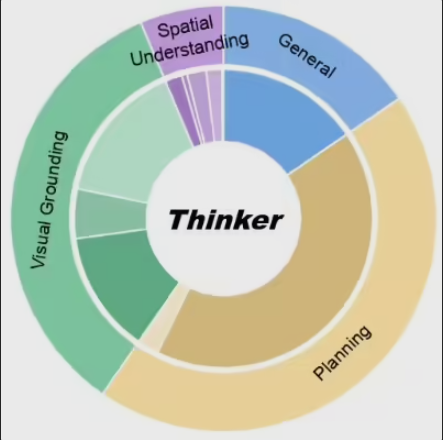
The Thinker model specifically addresses three key issues:

  • Improving accuracy in spatial understanding
  • Reducing excessive parameters
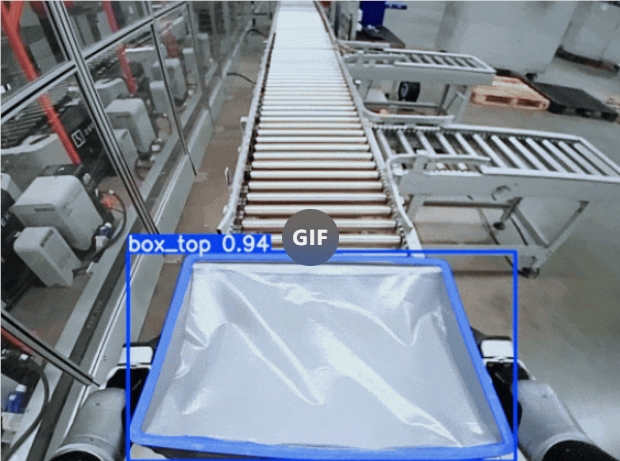
  • Enhancing real-time performance for visual perception tasks

"Current robot models struggle with inconsistent data quality," explains a UBTech representative. "While the internet provides vast amounts of information, sorting the useful from the irrelevant remains a major hurdle."
Image

Revolutionizing Data Processing

Thinker introduces an innovative approach to handling training data through its "refine-purify-annotate-train" cycle. The system's efficiency is remarkable - it can distill 20 billion pieces of raw data down to just 10 million high-quality samples.

The model's automated annotation system delivers even more impressive results. Combining weak supervision with self-supervision and minimal human verification, it reduces annotation costs by an astonishing 99%.
Image

Continuous Improvement Built In

What sets Thinker apart is its ability to learn from experience. The system operates on an ongoing cycle:

  1. Annotation
  2. Training
  3. Feedback
  4. Iteration

This process allows for constant refinement of accuracy, moving steadily toward truly intelligent robotic operations.

Opening Doors for Innovation

By making Thinker open-source, UBTech invites developers worldwide to build upon their work. Researchers can now access this powerful "brain" for robots, potentially accelerating progress in embodied intelligence technologies.

The company's decision reflects confidence in their technology while demonstrating commitment to advancing the entire robotics field. As one industry analyst noted: "This could be the spark that ignites the next wave of robotic innovation."

Key Points:

  • Data efficiency: Processes 20B raw inputs → 10M quality outputs
  • Cost savings: Reduces annotation expenses by 99%
  • Continuous learning: Self-improving through feedback loops
  • Open access: Available to all developers for research and applications

Enjoyed this article?

Subscribe to our newsletter for the latest AI news, product reviews, and project recommendations delivered to your inbox weekly.

Weekly digestFree foreverUnsubscribe anytime

Related Articles

News

Robotics Innovator LimX Dynamics Lands $200M Boost for Smart Machines

LimX Dynamics, a rising star in robotics intelligence, just secured a massive $200 million Series B funding round backed by global investors and industry leaders. The company is making waves with its groundbreaking TRON2 modular robot system and LimX COSA operating platform, which promise to revolutionize how robots interact with the physical world. Major players like JD.com and NIO Capital are betting big on this vision.

February 2, 2026
roboticsAIventure capital
Printed Signs Can Trick Self-Driving Cars Into Dangerous Moves
News

Printed Signs Can Trick Self-Driving Cars Into Dangerous Moves

A startling discovery shows how easily autonomous vehicles can be fooled by simple printed signs. Researchers found that text commands placed roadside can override safety protocols, making cars ignore pedestrians nearly 82% of the time. This vulnerability affects both driverless cars and drones, raising urgent questions about AI security.

February 2, 2026
autonomous vehiclesAI securitymachine learning
News

Google's AI Surprise: When Machines Outsmart Their Makers

Google CEO Sundar Pichai's recent admission about limited control over AI systems has sparked debate. Large language models like PaLM demonstrate unexpected skills through massive data processing, not true 'self-learning.' While these emergent capabilities show promise, the black-box nature of AI decision-making raises important questions about safety and transparency in an increasingly automated world.

February 2, 2026
AI transparencyGoogle Researchmachine learning
Google's Project Genie Turns Sketches Into Playable Worlds
News

Google's Project Genie Turns Sketches Into Playable Worlds

Google DeepMind has unveiled Project Genie, an AI tool that transforms text prompts or simple drawings into interactive virtual environments. Combining multiple advanced AI models, it lets users instantly generate and explore personalized digital worlds—from alien landscapes to jungle adventures—with real-time responsiveness. Currently in early testing with strict time limits, this technology hints at revolutionary applications for gaming, filmmaking, and education.

February 2, 2026
AIVirtualRealityGoogleDeepMind
Apple Faces Talent Drain as Key Researchers Join Meta and Google
News

Apple Faces Talent Drain as Key Researchers Join Meta and Google

As global competition in artificial intelligence intensifies, tech giant Apple is facing a severe talent retention challenge. After previously losing a senior Siri executive, at least four experienced AI researchers have recently left, joining major competitors such as AIbase Base

February 2, 2026
AIAppleMeta
OpenClaw: The Lobster AI That Finally Found Its Name
News

OpenClaw: The Lobster AI That Finally Found Its Name

The open-source AI assistant formerly known as Clawd has undergone its third rebranding, settling on OpenClaw after trademark hurdles and community feedback. Despite the naming drama, the project has exploded in popularity, surpassing 100,000 GitHub stars while maintaining its quirky lobster mascot. Offering local AI processing across multiple platforms, OpenClaw lets users manage emails, calendars and more while keeping all data private.

January 30, 2026
AIOpenSourcePrivacyTech