ChatGPT's Gender Milestone: Women Now Make Up Majority of Users

ChatGPT Sees Gender Balance Tilt as Women Become Majority

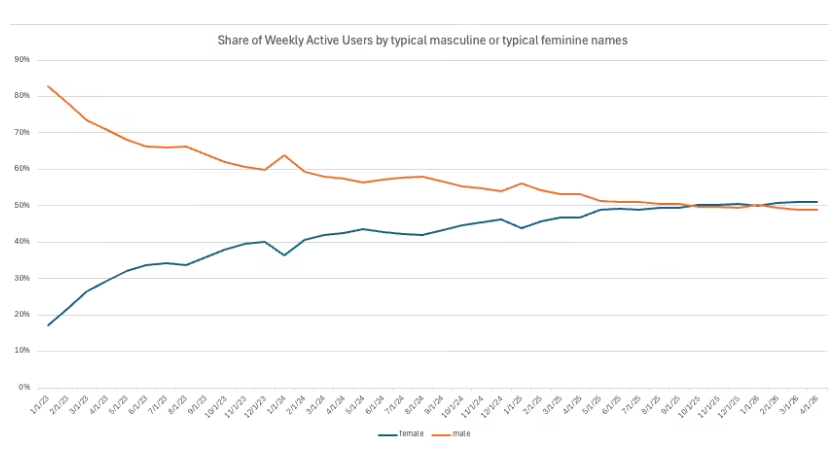
April 17, 2026 – The artificial intelligence landscape just reached a noteworthy milestone: for the first time since ChatGPT's launch, women now make up the majority of its users. This demographic shift comes as the platform nears an impressive 1 billion user mark globally.

From 80% Male to Female Majority

Remember when ChatGPT first emerged in 2022? Back then, about 80% of users were men – a statistic that raised eyebrows in tech circles. Fast forward to today, and the tables have turned completely. OpenAI's latest data shows female users have crossed the 50% threshold, representing one of the most dramatic user base transformations in tech history.

What does this look like in real numbers? With ChatGPT's current weekly active users, we're talking about nearly 500 million women worldwide regularly interacting with the AI assistant. That's more than the entire population of the United States and Canada combined, all engaging with ChatGPT on a weekly basis.

The Computing Power Behind the Growth

While user demographics shift, OpenAI's infrastructure expands at an equally astonishing pace:

  • Computing power has skyrocketed from 0.2 gigawatts in 2023 to about 1.9 gigawatts today
  • Future agreements with partners like NVIDIA secure over 30 gigawatts by 2030
  • Annual growth rate holding steady at roughly 3x over two years

"We're not just preparing for tomorrow's AI needs," an OpenAI spokesperson told us. "We're building the infrastructure for AI applications we haven't even imagined yet."

What's Behind the Gender Shift?

Experts point to several factors driving this change:

  1. Improved accessibility through mobile apps and simplified interfaces
  2. Content personalization that better serves diverse user needs
  3. Education initiatives specifically targeting female users
  4. Workplace adoption where women increasingly use AI tools for productivity

Interestingly, the shift mirrors broader tech adoption patterns where women often become dominant users after initial male-led adoption phases – similar to what happened with social media platforms.

Key Points

  • Gender milestone reached: Women now make up over 50% of ChatGPT users
  • Massive user base: Nearly 500 million active female users weekly
  • Total users approaching the 1 billion mark
  • Computing power expansion: From 0.2GW to 1.9GW in two years
  • Future plans: 30GW capacity targeted by 2030 through strategic partnerships
Enjoyed this article?

Subscribe to our newsletter for the latest AI news, product reviews, and project recommendations delivered to your inbox weekly.

Weekly digestFree foreverUnsubscribe anytime

Related Articles

ChatGPT Hits 1 Billion Users as Women Take the Lead
News

ChatGPT Hits 1 Billion Users as Women Take the Lead

OpenAI's latest data reveals a major shift in ChatGPT's user demographics. For the first time, women now make up over 50% of the platform's weekly active users, which are approaching 1 billion globally. This marks a dramatic change from 2022 when male users dominated at 80%. The AI tool's growing appeal across genders comes alongside massive computing power expansions that promise even better service in the future.

April 17, 2026
ChatGPTAI trendsTechnology demographics
News

OpenAI Bets Big: $2 Billion Deal with Cerebras Could Secure 10% Stake

OpenAI is doubling down on its partnership with chipmaker Cerebras in a massive three-year deal worth up to $30 billion. The AI giant will purchase computing power while potentially acquiring a 10% stake in the semiconductor startup. This strategic move highlights the soaring demand for AI infrastructure as both companies position themselves for future growth in the rapidly evolving artificial intelligence landscape.

April 17, 2026
OpenAICerebrasAI Hardware
OpenAI's GPT-Rosalind: AI's Big Leap into Drug Discovery
News

OpenAI's GPT-Rosalind: AI's Big Leap into Drug Discovery

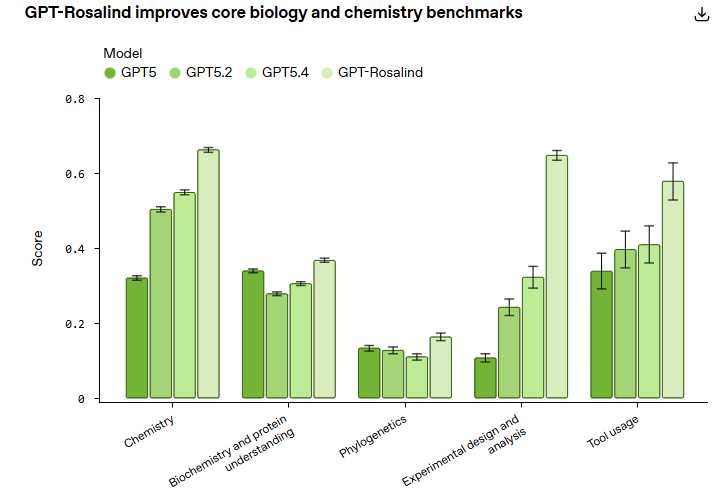
OpenAI has unveiled GPT-Rosalind, a specialized AI model named after DNA pioneer Rosalind Franklin, designed to revolutionize life sciences research. Currently in limited release with partners like Amgen and Moderna, this tool helps scientists analyze biochemical data, generate hypotheses, and accelerate drug development. While experts debate AI's role in replacing human researchers, the announcement already sent ripples through biotech markets.

April 17, 2026
AI in healthcareDrug discoveryOpenAI
OpenAI Unveils GPT-Rosalind: AI That Could Revolutionize Drug Discovery
News

OpenAI Unveils GPT-Rosalind: AI That Could Revolutionize Drug Discovery

OpenAI has taken a bold step into life sciences with GPT-Rosalind, a specialized AI model named after DNA pioneer Rosalind Franklin. Unlike general chatbots, this tool can analyze protein structures, predict gene functions, and suggest experimental pathways—outperforming human experts in some tests. Currently available only to select biotech firms, it promises to accelerate drug development while raising important questions about AI's role in scientific discovery.

April 17, 2026
AI-in-biotechdrug-discoveryOpenAI
OpenAI's Codex Gets Smarter: Now Controls Your Mac Like a Pro
News

OpenAI's Codex Gets Smarter: Now Controls Your Mac Like a Pro

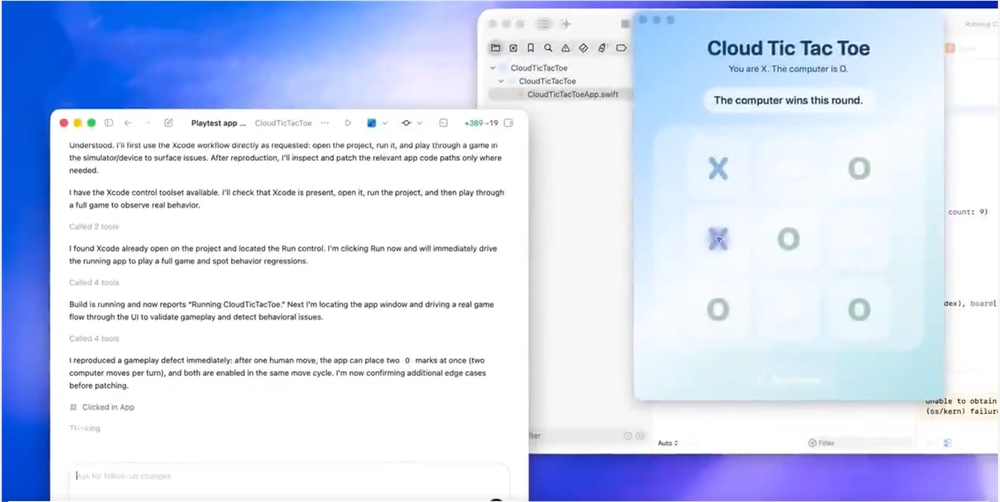
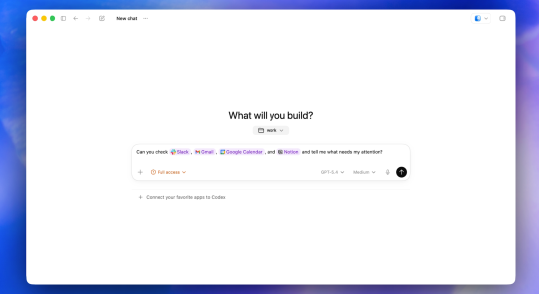
OpenAI just gave its Codex AI assistant some serious upgrades. The tool can now control Mac applications independently, run multiple tasks simultaneously, and remember your workflow preferences for days. Imagine having a digital assistant that clicks, types, and browses for you - that's what Codex delivers with this update. Developers will particularly love how it seamlessly picks up paused projects and even suggests next steps.

April 17, 2026
AI ProgrammingMac AutomationOpenAI
AI Coding Assistants Clash: OpenAI's Codex Upgrade Takes On Anthropic's Claude
News

AI Coding Assistants Clash: OpenAI's Codex Upgrade Takes On Anthropic's Claude

The battle for dominance in AI-powered coding tools heats up as OpenAI unveils major upgrades to Codex, introducing background operation and browser integration. Meanwhile, Anthropic's Claude Code continues gaining enterprise traction. This latest volley brings enhanced memory features, image generation, and flexible pricing - pushing AI programming assistants into new territory.

April 17, 2026
AI programmingOpenAIdeveloper tools