Build a Custom ChatGPT for $100 with Open-Source nanochat

Build Your Own ChatGPT Clone for Under $100

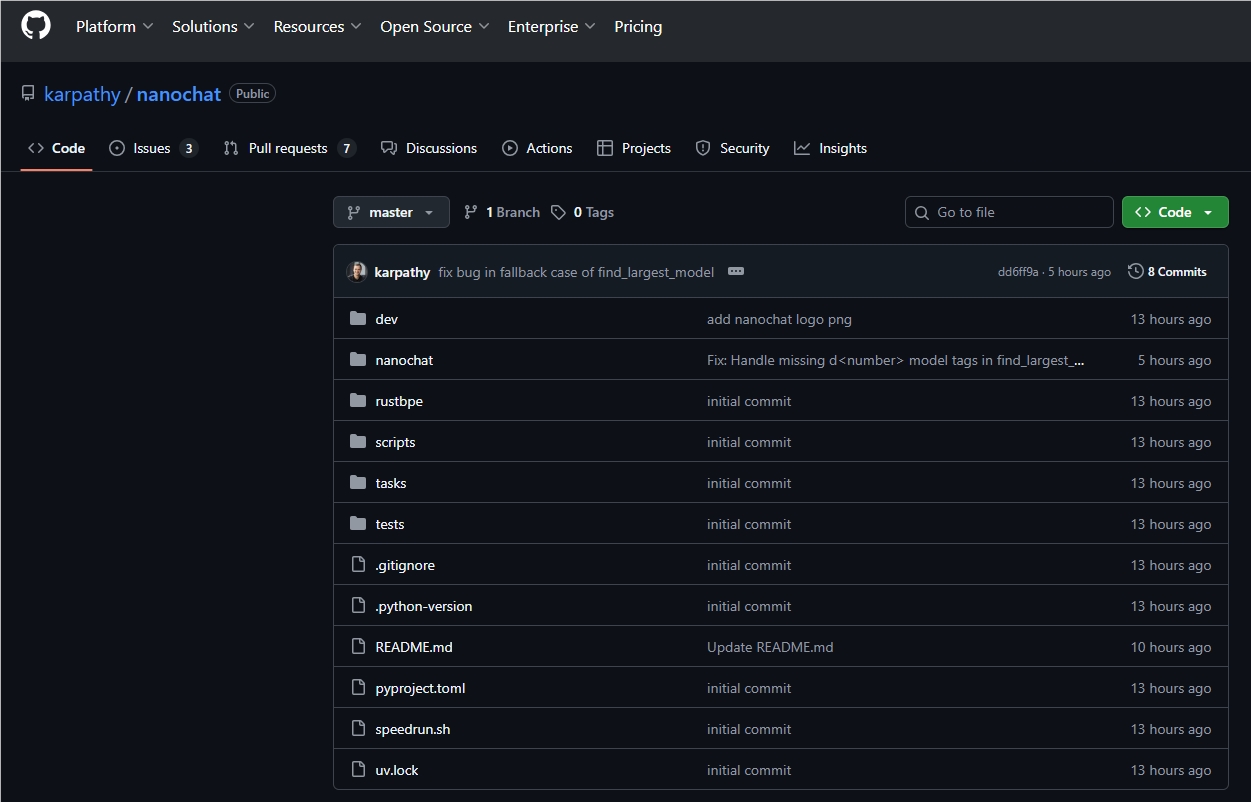
Artificial intelligence development has taken a significant leap toward accessibility with the launch of nanochat, an open-source project that allows developers to build a fully functional chat AI system at minimal cost. Created by renowned AI expert Andrej Karpathy, this tool represents what he calls "the best ChatGPT implementation under $100."

Breaking Down Barriers in AI Development

The project serves dual purposes: as both a practical tool and an educational resource. Unlike previous implementations that focused solely on pre-training, nanochat provides an end-to-end pipeline covering:

  • Model training
  • Fine-tuning
  • Performance evaluation
  • Interactive deployment

The entire system comprises approximately 8,000 lines of code with minimal dependencies, making it exceptionally readable and modifiable.
Image

Technical Specifications and Process Flow

The workflow requires:

  1. Starting a cloud node with 8 H100 GPUs (~$24/hour)
  2. Running the smoothrun.sh script
  3. Completing the process in about 4 hours

The technical process includes:

  • Data preprocessing: Using high-quality corpora like FineWeb-Edu
  • Tokenization: Fast Rust-based tokenizer supporting 65,536 vocabulary size
  • Pre-training: PyTorch-based Transformer model training
  • Fine-tuning: Integration of SmolTalk dialogue dataset and reinforcement learning optimization

The final product supports both command-line and web interfaces, capable of generating stories, answering questions, and even handling basic tool calls.

Performance Metrics and Scaling Options

The project demonstrates remarkable scalability:

Training Duration Cost Capabilities Achieved

The model achieves particularly strong results in multiple-choice testing scenarios.

Educational Value and Community Impact

As the capstone project for Karpathy's LLM101n course, nanochat aims to provide:

  • A unified baseline stack
  • Readable/modifiable code
  • Complete workflow transparency

The GitHub repository has already generated significant community engagement (Project URL).

Key Points:

  1. Creates functional chatbot clones for under $100
  2. Complete training-to-deployment pipeline in ~4 hours
  3. Educational focus with transparent code structure
  4. Scales effectively with additional compute resources
  5. Potential benchmark for AI education/research
Enjoyed this article?

Subscribe to our newsletter for the latest AI news, product reviews, and project recommendations delivered to your inbox weekly.

Weekly digestFree foreverUnsubscribe anytime

Related Articles

Gaode's ABot-M0 Gives Robots a Universal Brain
News

Gaode's ABot-M0 Gives Robots a Universal Brain

In a major leap for robotics, Gaode has open-sourced ABot-M0, the world's first unified architecture for robot intelligence. This 'universal brain' outperforms previous models by 30% on key benchmarks, while its complete open-source package—including algorithms and training data—could revolutionize how we develop smart robots for homes and industries.

April 1, 2026
roboticsAIopen-source
Microsoft's VibeVoice AI Brings Human-Like Speech to Open Source
News

Microsoft's VibeVoice AI Brings Human-Like Speech to Open Source

Microsoft has released VibeVoice, a powerful open-source speech AI family that's turning heads in the developer community. These models can handle marathon audio sessions - up to 90 minutes of multi-speaker dialogue in one go - while maintaining natural flow and emotion. The project, which racked up 27,000 GitHub stars in no time, offers everything from accurate transcription to expressive voice generation. What makes it special? Local deployment without cloud fees, support for multiple speakers, and real-time capabilities that could revolutionize how we interact with voice technology.

March 30, 2026
speech-recognitionmicrosoftopen-source
Claude Shatters AI Memory Limits with Million-Token Breakthrough
News

Claude Shatters AI Memory Limits with Million-Token Breakthrough

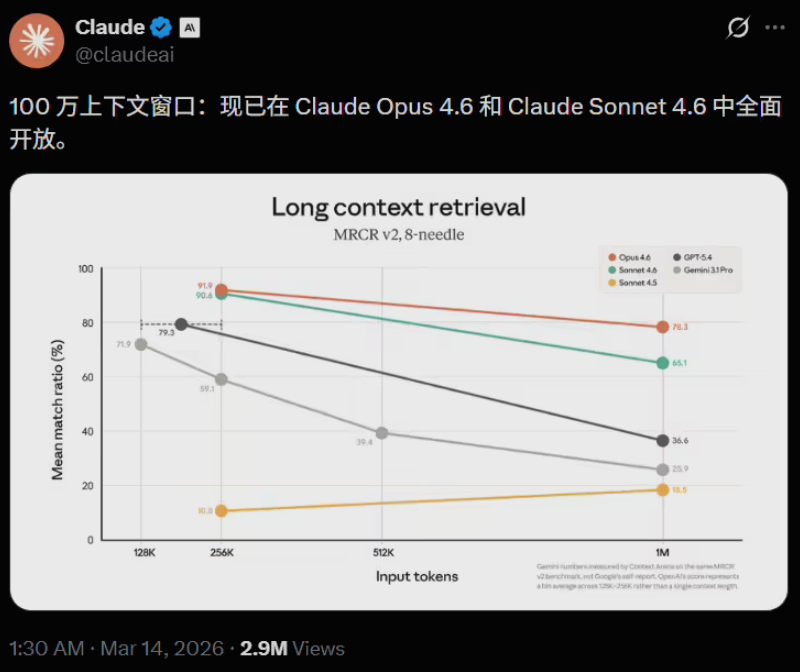
Anthropic's Claude has revolutionized AI capabilities by introducing a groundbreaking 1 million token context window. This leap forward allows AI to process vast amounts of information simultaneously - equivalent to reading the entire Harry Potter series seven times. Developers can now feed entire codebases or documentation sets to Claude without fragmentation, while competitive pricing makes this powerful tool accessible. The model demonstrates remarkable accuracy in retrieving specific details from massive datasets, signaling a new era in AI-assisted programming.

March 16, 2026
AI-developmentClaudeprogramming-tools
OpenAI Brings Codex AI Assistant to Windows, Attracts 1.6 Million Developers
News

OpenAI Brings Codex AI Assistant to Windows, Attracts 1.6 Million Developers

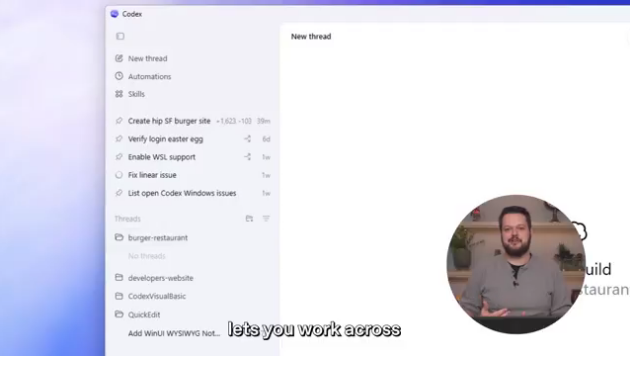
OpenAI has expanded its AI-powered coding assistant Codex to Windows, following the Mac version's explosive debut. The tool transforms developer workflows with multi-agent processing and automated task delegation. Already embraced by over 1.6 million users, Codex now features native Windows integration through a secure sandbox environment, eliminating the need for virtual machines.

March 5, 2026
AI-developmentOpenAIcoding-tools
News

Cursor AI Assistant Hits $2B Revenue Amid Enterprise Push

Cursor, the AI programming assistant, has stunned observers by reaching $2 billion in annual recurring revenue just four years after launch. The company's strategic pivot to enterprise clients now drives 60% of its income, fueling rapid growth despite fierce competition from rivals like Claude Code.

March 3, 2026
AI-developmententerprise-techstartup-growth
OpenAI's GPT-5.3-Codex: A Game-Changer for Developers
News

OpenAI's GPT-5.3-Codex: A Game-Changer for Developers

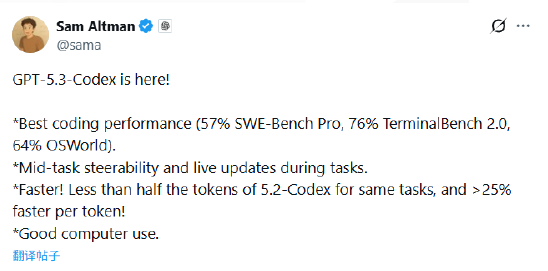
OpenAI has unveiled GPT-5.3-Codex, its most advanced programming assistant yet. This powerhouse not only writes code with unprecedented accuracy but also handles complex system operations like a seasoned engineer. With dramatic efficiency gains and top-tier security features, it's set to revolutionize how developers work.

February 6, 2026
AI-developmentprogramming-toolsOpenAI