Microsoft's VibeVoice AI Brings Human-Like Speech to Open Source
Microsoft Opens the Door to Advanced Speech AI with VibeVoice
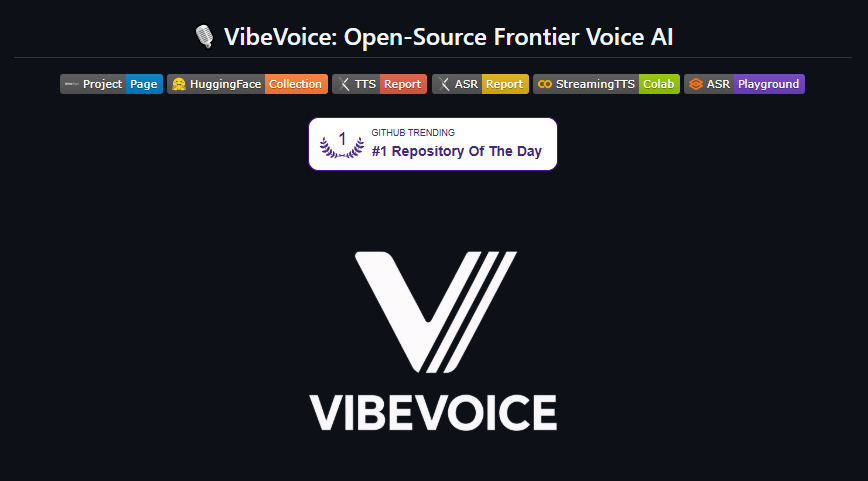
In a move that's shaking up the voice technology landscape, Microsoft has made its cutting-edge VibeVoice AI models freely available to developers worldwide. This isn't just another speech recognition tool - it's a comprehensive suite capable of handling conversations that would make most AI systems stumble.
What Makes VibeVoice Stand Out?
The VibeVoice family brings three specialized models to the table, each tackling different challenges in speech technology:
VibeVoice-ASR-7B: The transcription powerhouse that can digest hour-long audio files and spit out structured transcripts complete with speaker identification and precise timestamps. Need to transcribe a board meeting or podcast episode? This model handles it in one go while supporting over 50 languages.
VibeVoice-TTS-1.5B: The expressive storyteller that generates up to 90 minutes of natural-sounding speech with multiple characters. Unlike robotic TTS systems of the past, this one nails human-like pauses, emphasis, and emotional shifts - perfect for audiobooks or multi-character podcasts.
VibeVoice-Realtime-0.5B: The speed demon that delivers voice responses in about 300 milliseconds. Whether you're building a voice assistant or live dubbing system, this model keeps pace with real-time conversations while still handling longer audio when needed.
Why Developers Are Excited
The open-source community has already jumped on these tools, creating practical applications like Vibing - a cross-platform voice input method that users say significantly boosts their productivity. What's drawing developers in isn't just the technology itself, but how Microsoft has packaged it:
- No cloud lock-in: Run it locally without subscription fees
- Responsible AI features: Built-in audio watermarks address potential misuse concerns
- Community-friendly: Available on GitHub and Hugging Face with Colab support for quick testing
The Bigger Picture
This release marks an important shift in speech technology accessibility. By removing cost barriers and providing local deployment options, Microsoft is enabling innovation from individual developers and small teams who previously couldn't access this level of speech AI.
The project did hit a brief snag when initial concerns about potential misuse led to its temporary removal. But the relaunched version includes safeguards while maintaining its open nature - a balancing act that reflects growing awareness of responsible AI development practices.
As optimizations continue (including better Apple Silicon support), we're likely to see VibeVoice powering everything from creative content tools to accessibility solutions. For developers ready to experiment, the door is now open at Microsoft's GitHub repository.
Key Points:
- Open-source speech AI family handles long-form audio (up to 90 minutes)
- Three specialized models cover transcription, generation, and real-time use cases
- Supports multiple speakers with natural flow and emotion
- Local deployment option avoids cloud fees
- Quickly gained 27K GitHub stars after launch